About Aluminum Die Casting Parts
The Aluminum Die Casting Parts industry is crucial in modern manufacturing, providing industries with high-precision components that combine strength, durability, and lightweight properties. Aluminum die casting is a technique where molten aluminum is injected into a steel die under high pressure, allowing the production of detailed, durable, and cost-effective components. This process is widely utilized in industries requiring components that can perform under mechanical stress, high temperatures, and other demanding conditions.
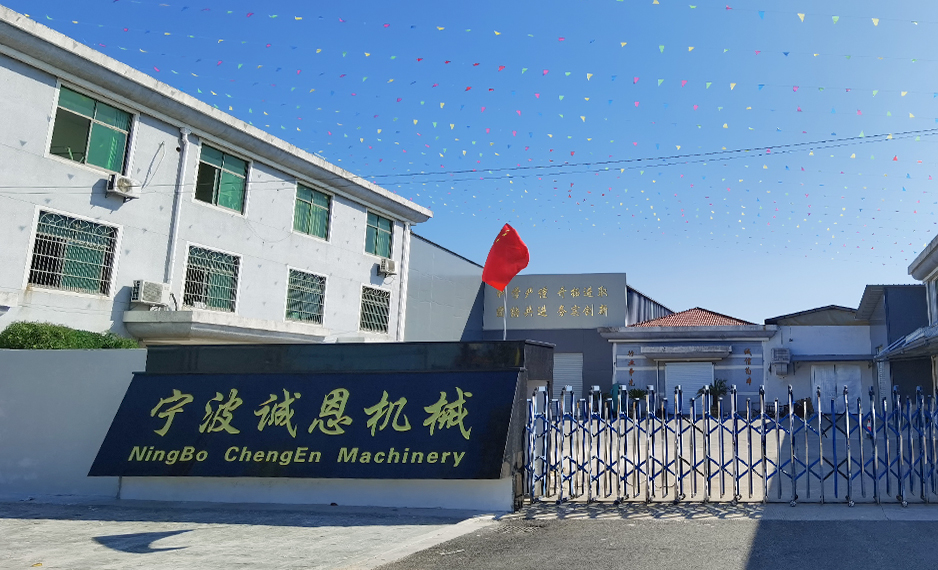
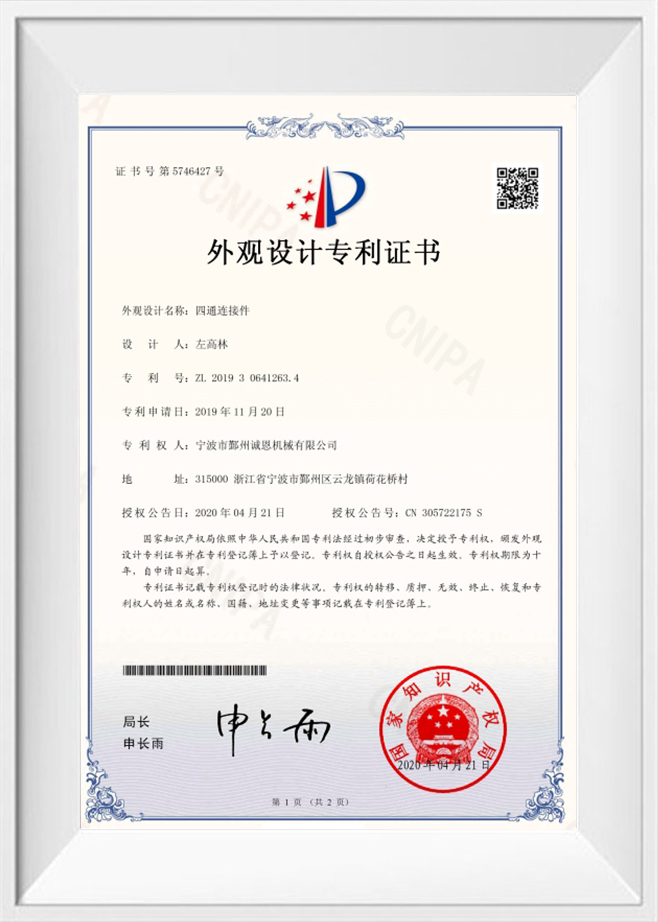
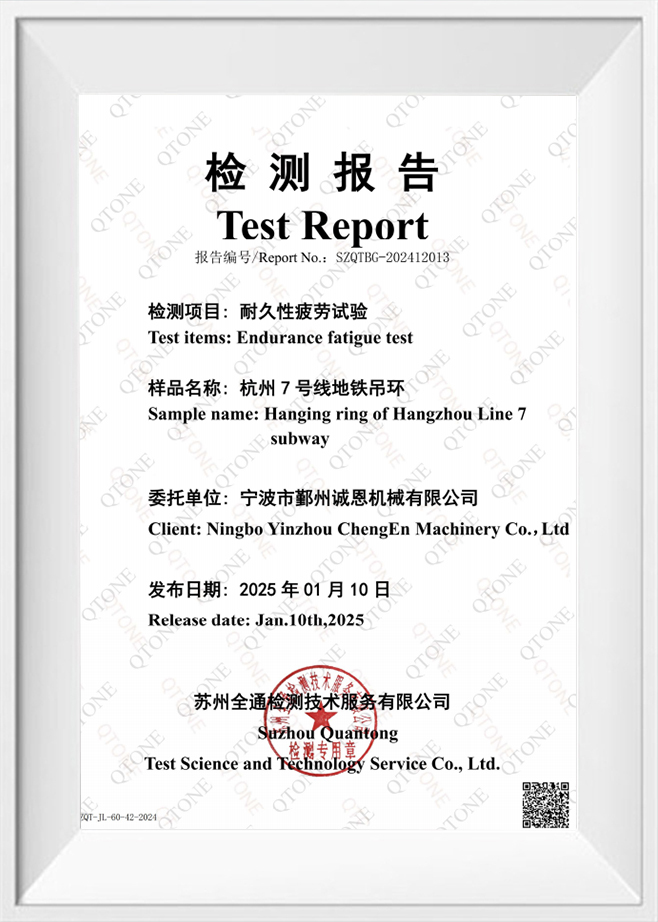
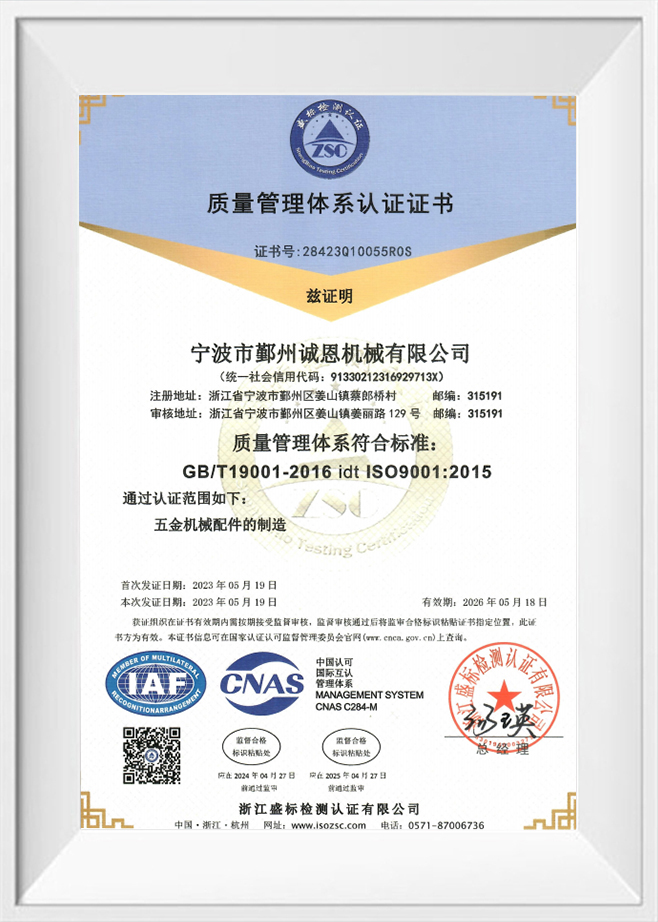
NingBo YinZhou ChengEn Machinery Co., Ltd., established in 2008, is a renowned Aluminum Die Casting Parts manufacturer that specializes in delivering high-quality, precision die-cast components. Located in Jiangshan Town, Yinzhou District, Ningbo City, the company operates a modern 12,000-square-meter production facility equipped with advanced production equipment and a professional technical team. NingBo YinZhou ChengEn Machinery Co., Ltd. has gained recognition for its superior manufacturing capabilities and strict quality control, ensuring that all products meet global industry standards.
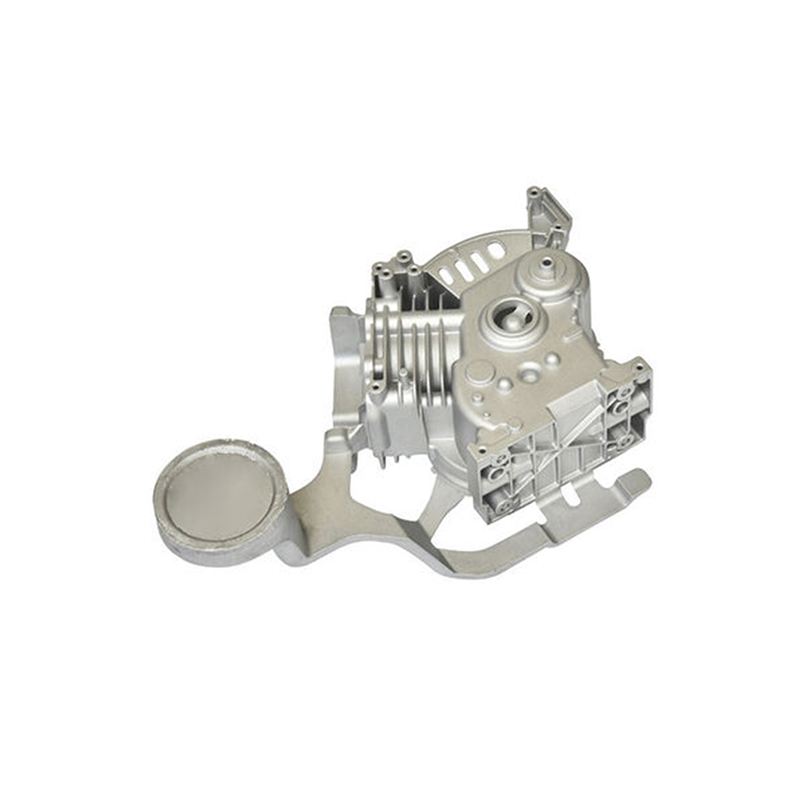
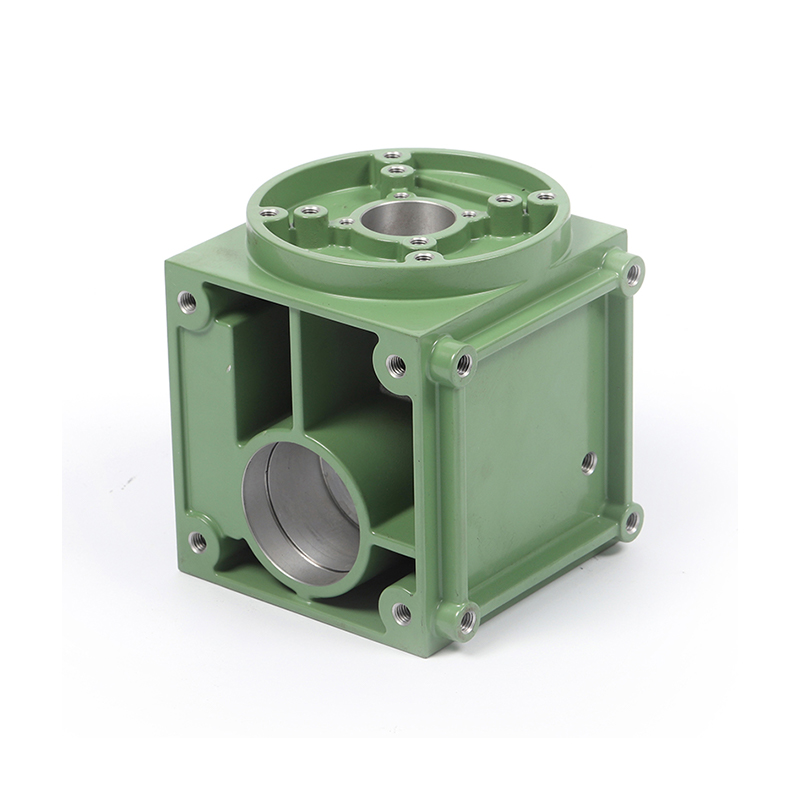
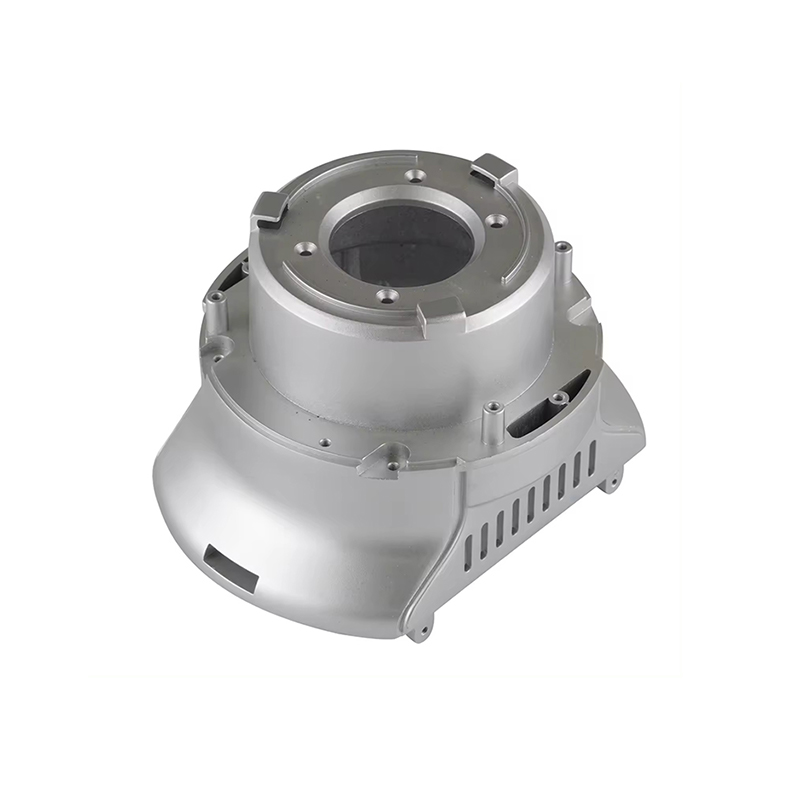
As a prominent Aluminum Die Casting Parts supplier, the company provides Wholesale Aluminum Die Casting Parts and custom solutions tailored to meet the specific needs of various industries. Their offerings include products such as Precision Aluminum Die Cast Small and Medium Motor Housings, Aluminum Die-Cast Industrial Pump Housings, and Hydraulic Valve Bodies. These components are crafted to withstand the most demanding conditions while maintaining a lightweight structure and exceptional durability.
Key Advantages of Aluminum Die Casting Parts
| Industry |
Example Applications |
| Automotive |
Engine blocks, transmission parts, powertrain components, wheels |
| Aerospace |
Aircraft frames, turbine housings, structural elements |
| Industrial Equipment |
Pump housings, hydraulic valve bodies, gears, structural components |
| Electronics |
Connectors, enclosures, heat sinks |
Aluminum Die Casting Parts manufacturing is synonymous with high precision, allowing for the creation of components with intricate shapes and tight tolerances. This precision is critical in industries like automotive, aerospace, and electronics, where even the smallest deviation in part dimensions can lead to component failure or underperformance. The ability to produce such detailed and high-precision parts is a key reason why Aluminum Die Casting Parts manufacturers are highly sought after in these sectors.
By utilizing advanced die-casting techniques, Aluminum Die Casting Parts suppliers can produce parts such as engine blocks, transmission components, motor housings, and gear housings with near-perfect geometries. These parts must meet exacting standards, as any deviation can result in functional or safety issues. In industries where failure is not an option—such as in aerospace—the Aluminum Die Casting Parts process ensures that each component is manufactured to exact specifications, offering unparalleled reliability and performance.
In addition to meeting tight dimensional tolerances, the Aluminum Die Casting Parts process allows for the production of complex shapes that would be challenging or impossible to achieve with other manufacturing methods. This capability is particularly valuable in automotive applications where intricate designs are needed for parts like transmission systems, brake components, and powertrains. Wholesale Aluminum Die Casting Parts are in high demand as manufacturers seek parts that offer both structural integrity and high functionality in one lightweight, cost-effective package.
As Aluminum Die Casting Parts manufacturers continue to refine their techniques, the process has become even more efficient. The use of high-quality aluminum alloys further enhances the mechanical properties of the finished parts, making them not only precise but also durable and resilient. This ensures that the final components maintain their integrity under stress, high temperatures, and vibrations, which are common conditions in industries like automotive and aerospace.
The precision achieved in Aluminum Die Casting Parts extends beyond just dimensions—it also includes the ability to produce detailed internal features, such as channels, cavities, and complex geometries. These capabilities make the process ideal for customized parts that require specific functionality, which is particularly important for industries that require tailored solutions. For example, Aluminum Die Casting Parts suppliers provide customized Wholesales to suit the specific performance requirements of a particular vehicle model, aircraft engine, or industrial equipment, ensuring that each part is an exact fit for its application.
In conclusion, Precision Manufacturing is a hallmark of the Aluminum Die Casting Parts process, enabling Aluminum Die Casting Parts manufacturers to produce components that meet the highest industry standards. Whether for automotive, aerospace, or electronics, this precision is essential for delivering parts that ensure optimal performance, longevity, and safety. As the demand for high-quality, precision-engineered parts continues to grow, Aluminum Die Casting Parts suppliers are poised to meet the needs of industries worldwide with their ability to produce parts that are both accurate and functional.
Lightweight and Durable
Aluminum’s natural properties make it an ideal choice for industries that require components that are strong yet lightweight. Aluminum Die Casting Parts provide excellent strength while reducing weight, which is essential in industries like automotive and aerospace. Lightweight components help improve fuel efficiency in vehicles and aircraft, contributing to overall performance and operational efficiency.
Cost-Effectiveness
Aluminum die casting stands out for its cost-effectiveness, particularly in industries that require high-volume production of complex components. One of the key advantages of this process is its efficiency, as it typically requires minimal post-processing. The high precision achieved during the aluminum die casting process means that parts are cast with near-perfect dimensions straight out of the mold, reducing or eliminating the need for additional machining or finishing. This not only saves time but also lowers labor costs, making it a highly attractive option for mass production.
The efficiency of the Aluminum Die Casting Parts process allows manufacturers to optimize production workflows. With fewer steps involved in the post-casting process, production time is significantly reduced. This, in turn, allows companies to scale up production while keeping costs under control. Aluminum Die Casting Parts manufacturers can quickly produce large quantities of parts with minimal deviation from the desired specifications, ensuring consistent quality throughout the production run. The reduced time-to-market is especially beneficial for industries like automotive, where the demand for high-quality, cost-effective parts is ever-increasing.
Additionally, aluminum die casting makes efficient use of material, which directly contributes to cost savings. The casting process ensures that a significant portion of the raw material is converted into usable product, minimizing waste. Aluminum, a relatively lightweight and durable material, is ideal for this process because of its ability to be molded with intricate designs while maintaining strength. By reducing material waste, Aluminum Die Casting Parts suppliers can pass these savings onto their customers, offering competitive pricing without compromising on quality.
The cost-effectiveness of aluminum die casting extends to the energy consumption required during production. Compared to other methods such as sand casting or forging, aluminum die casting typically requires less energy. This contributes to both environmental and financial savings, making it an eco-friendly and sustainable option for Aluminum Die Casting Parts manufacturers. The reduced energy consumption, along with the high efficiency of the casting process, means that companies can achieve significant cost reductions while maintaining a competitive edge in the market.
Moreover, aluminum die casting's ability to produce high-precision parts from the outset means that fewer materials and resources are wasted in correcting imperfections. The result is a streamlined manufacturing process that is both economical and sustainable. The low-cost nature of aluminum die casting is particularly appealing to industries like electronics, automotive, and aerospace, where large-scale production runs are common, and cost per unit is a critical factor for competitiveness.
By leveraging the cost-effective benefits of aluminum die casting, Aluminum Die Casting Parts suppliers can offer high-quality, wholesale aluminum die cast parts at competitive prices, without sacrificing performance or durability. This makes the process ideal for companies that need to manufacture high-performance components in large quantities while keeping production costs in check. Whether for engine components, transmission parts, or housing enclosures, the efficiency and material savings of aluminum die casting ensure that businesses can produce parts that meet industry standards while maintaining profitability.
| Benefit |
Description |
| Precision |
Ability to produce parts with intricate shapes and tight tolerances |
| Lightweight |
Aluminum’s natural properties provide strength while reducing weight |
| Durability |
Parts are resistant to mechanical stress and wear over time |
| Corrosion Resistance |
Aluminum resists corrosion, ensuring longevity even in harsh environments |
| Cost-Effectiveness |
Reduced need for post-processing and material waste lowers production costs |
Corrosion Resistance
Corrosion resistance is one of the standout features of Aluminum Die Casting Parts, making them an ideal choice for components that need to withstand harsh environmental conditions. Aluminum’s natural ability to resist corrosion is a key benefit for industries where components are exposed to moisture, oils, chemicals, and other corrosive elements. This inherent property makes aluminum especially suitable for applications in industries like automotive, aerospace, and industrial equipment, where components must endure exposure to a variety of environmental challenges.
Unlike steel or iron, which are prone to rust and degradation when exposed to moisture or corrosive substances, aluminum forms a thin protective oxide layer on its surface when exposed to oxygen. This oxide layer acts as a shield, preventing further corrosion and ensuring that Aluminum Die Casting Parts maintain their strength and functionality over time. This natural corrosion resistance helps extend the lifespan of parts, reducing the frequency of maintenance and replacement, and making aluminum a highly cost-effective choice for manufacturers looking to ensure long-term performance.
In the automotive industry, for instance, components such as engine parts, transmission housings, and wheels are often exposed to various environmental factors, including moisture, salts, and road chemicals. Aluminum die casting ensures these parts maintain their structural integrity and appearance, even in the most demanding conditions. The corrosion resistance of aluminum contributes to the longevity and reliability of vehicles, reducing the likelihood of corrosion-related failures that could compromise vehicle safety or performance.
Similarly, in industrial equipment and machinery, parts like pumps, valves, and hydraulic components are exposed to harsh working environments that involve exposure to water, oils, and chemicals. The corrosion-resistant properties of Aluminum Die Casting Parts ensure these components remain durable and functional, even when subjected to prolonged exposure to aggressive substances. This resistance to corrosion minimizes downtime and enhances the operational efficiency of industrial machinery, contributing to lower maintenance costs and increased productivity.
In aerospace, the ability of aluminum to resist corrosion is critical for ensuring the safety and reliability of aircraft. Aerospace components, such as aircraft frames, engines, and landing gear, are exposed to extreme temperatures, moisture, and atmospheric elements that can cause degradation. Aluminum die casting provides these parts with exceptional corrosion resistance, ensuring they perform optimally in challenging conditions, while also contributing to weight savings, an important factor in aerospace design.
In addition to its corrosion resistance, aluminum also offers lightweight properties, making it an excellent material choice for parts that require both durability and reduced weight, especially in automotive and aerospace industries. The combination of corrosion resistance and lightweight characteristics ensures that aluminum die casting continues to be a leading choice for manufacturers looking to produce high-performance, long-lasting components.
Overall, the corrosion resistance of Aluminum Die Casting Parts is a fundamental reason why aluminum is a preferred material for industries that demand high durability and reliability in their components. By offering corrosion-resistant properties, Aluminum Die Casting Parts manufacturers can ensure that parts maintain their integrity and continue to perform at the highest level, even in the most extreme conditions. Whether for automotive parts, industrial machinery, or aerospace components, aluminum die casting offers the perfect balance of strength, durability, and resistance to corrosion, ensuring the longevity of products and minimizing the need for frequent replacements or repairs.
The Role of Aluminum Die Casting Parts in Key Industries
In the automotive industry, Aluminum Die Casting Parts are essential for producing lightweight yet durable components like engine blocks, transmission parts, and powertrain components. The lightweight nature of aluminum helps reduce vehicle weight, improving fuel efficiency without compromising strength or durability. These parts are designed to withstand high stress, heat, and friction, ensuring the vehicle’s performance over the long term.
In the aerospace industry, aluminum die casting is used for components such as turbine housings and structural elements. The precision and lightweight properties of aluminum are critical for reducing the overall weight of aircraft, which in turn enhances fuel efficiency. Aluminum die casting is also favored in aerospace due to its ability to withstand high temperatures and mechanical stress, ensuring reliability and performance under demanding conditions.
The industrial equipment sector benefits from Aluminum Die Casting Parts as well. Components such as pump housings, gears, and hydraulic valve bodies are manufactured using aluminum die casting to endure high-pressure environments. These parts must maintain their integrity under mechanical stress and harsh conditions, and aluminum die casting provides the strength and durability necessary for these applications.
In the electronics industry, aluminum die casting plays a key role in creating precision parts like connectors, enclosures, and heat sinks. Aluminum’s excellent thermal conductivity ensures that components are able to dissipate heat effectively, which is crucial for electronic devices that generate significant amounts of heat during operation. The ability to create small, intricate parts with high precision makes aluminum die casting an essential technique in electronics manufacturing.
FAQ
What is Cold Forged Parts?
| Industry |
Applications |
| Automotive |
Engine components, suspension systems, gears, bearings. |
| Aerospace |
Turbine blades, landing gear, structural components. |
| Industrial Equipment |
Gears, shafts, fasteners, hydraulic valves. |
| Electronics |
Connectors, housings, precision small parts. |
Cold Forged Parts are components that are produced by shaping metal at or near room temperature through the application of high pressure. This forging process enhances the material's strength, durability, and precision, making these parts suitable for demanding applications in industries such as automotive, aerospace, and industrial machinery. Unlike other forging methods that involve heating the metal to high temperatures, cold forging is done without significant heat, allowing the material to retain its natural properties and resulting in parts with exceptional mechanical characteristics.
The cold forging process involves compressing the metal between two dies, which forces the material into a specific shape. During this process, the grain structure of the metal is aligned, improving the material's overall strength, toughness, and wear resistance. This refinement of the grain structure enhances the metal's mechanical properties, making Cold Forged Parts ideal for applications where performance, durability, and precision are critical.
Cold forging allows for the production of components with intricate geometries, fine details, and tight tolerances, making it especially useful in industries that require high-precision parts. For example, in the automotive industry, cold-forged parts such as gears, fasteners, and bearings are essential for the smooth operation of vehicles, where durability and strength are paramount. Similarly, in the aerospace industry, components like turbine blades and structural elements benefit from the precision and performance characteristics achieved through cold forging.
The ability to create components with superior mechanical properties, combined with the capability to produce complex shapes, makes cold forging a versatile and valuable manufacturing technique. As a result, Cold Forged Parts manufacturers are able to deliver products that meet the strict performance and reliability standards required in industries such as automotive, aerospace, electronics, and heavy machinery.
The precision of cold forging ensures that these parts fit seamlessly into their respective applications, enhancing their overall functionality and performance. Furthermore, Cold Forged Parts suppliers often offer customization options, enabling manufacturers to produce parts tailored to specific customer needs, whether for mass production or specialized applications. This makes cold forging an indispensable method in the production of high-performance, high-precision components across multiple industries.
Why is Cold Forging used in the automotive industry?
Cold forging is commonly used in the automotive industry because it produces components that can withstand mechanical stress, high temperatures, and vibrations. Parts such as gears, bearings, bolts, and suspension components require excellent strength, durability, and precision. Cold forging provides all of these attributes, ensuring that the parts perform reliably in demanding automotive applications. Whether it's for engine components or structural parts, cold-forged parts offer the strength and longevity needed to ensure the safety and performance of vehicles.
What are the benefits of Cold Forged Parts?
Cold Forged Parts offer several key benefits:
High Strength: Cold forging enhances the mechanical properties of metals, providing parts that can withstand high stress, pressure, and wear.
Durability: The process results in parts that are highly resistant to wear and fatigue, making them ideal for long-lasting performance in demanding applications.
Precision: Cold forging is known for producing parts with tight tolerances and complex geometries, ensuring a high degree of accuracy and consistency.
Cost-Effectiveness: Cold forging reduces material waste and energy consumption compared to other methods, making it an efficient and cost-effective solution for mass production.
Reliability: Cold Forged Parts are known for their ability to perform under harsh conditions, maintaining their integrity and functionality over time.
Can Cold Forged Parts be customized?
| Customization Aspect |
Details |
| Material Properties |
Ability to select materials based on strength, wear resistance, etc. |
| Dimensions & Shapes |
Custom sizes, complex shapes, and intricate geometries can be created. |
| Performance Features |
Tailored to meet specific performance and application requirements. |
Yes, Cold Forged Parts can be fully customized to meet the specific requirements of various applications. Manufacturers can adjust the forging process to produce parts with custom material properties, dimensions, and shapes. Whether it's for unique design features or specific performance characteristics, cold forging offers flexibility in tailoring components to meet the exact needs of customers.
Custom cold forged parts are widely used across industries, ensuring that each component delivers optimal performance in its respective application.
What industries benefit from Cold Forged Parts?
Cold Forged Parts are essential in several key industries:
Automotive: Cold Forged Parts are used to create durable and high-precision components for engines, transmissions, suspension systems, and more.
Aerospace: The aerospace industry relies on cold-forged parts for turbine blades, structural elements, and other critical components that must perform reliably under extreme conditions.
Industrial Equipment: Cold Forged Parts are used for manufacturing essential components such as gears, shafts, fasteners, and valves, all of which need to endure high mechanical stress and wear.
Electronics: Cold forging is ideal for producing small, highly precise parts like connectors and housings, which are essential for the functionality of electronic devices.
Cold Forged Parts are a versatile and reliable choice for these industries, offering strength, durability, and precision to meet the most demanding requirements.

 English
 Español
 русский