English
 Español
 русский
Content
- 1 Introduction to Aluminum Die Casting
- 2 The Aluminum Die Casting Process Explained
- 3 Popular Aluminum Alloys Used in Die Casting
- 4 Top Benefits of Aluminum Die Casting Parts
- 5 Key Industrial Applications
- 6 Surface Finishing for Aluminum Parts
- 7 Design Considerations for Die Cast Parts
- 8 Future Trends in Aluminum Die Casting
- 9 FAQ
Introduction to Aluminum Die Casting
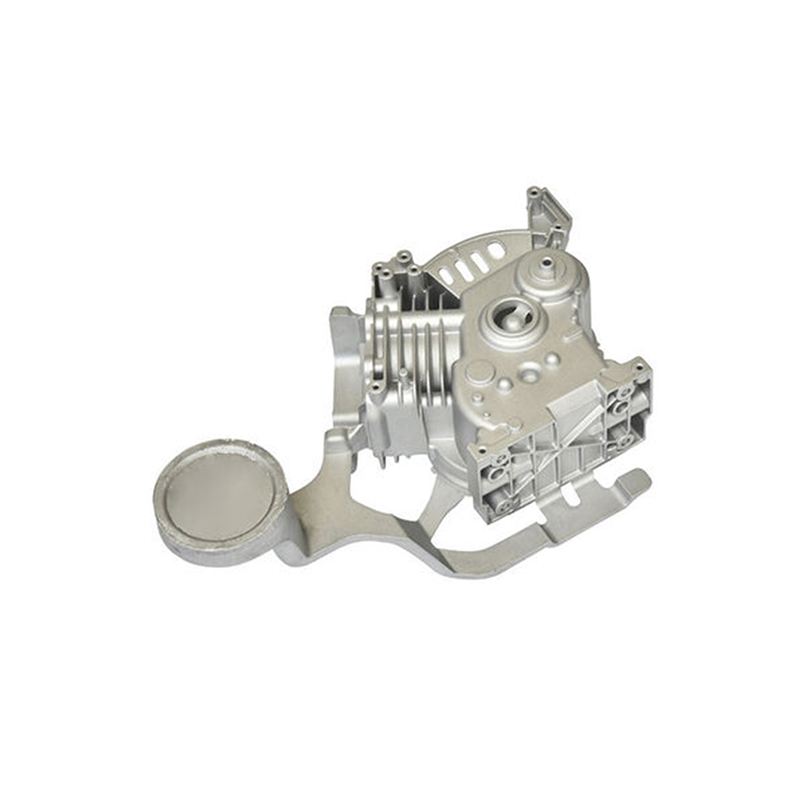
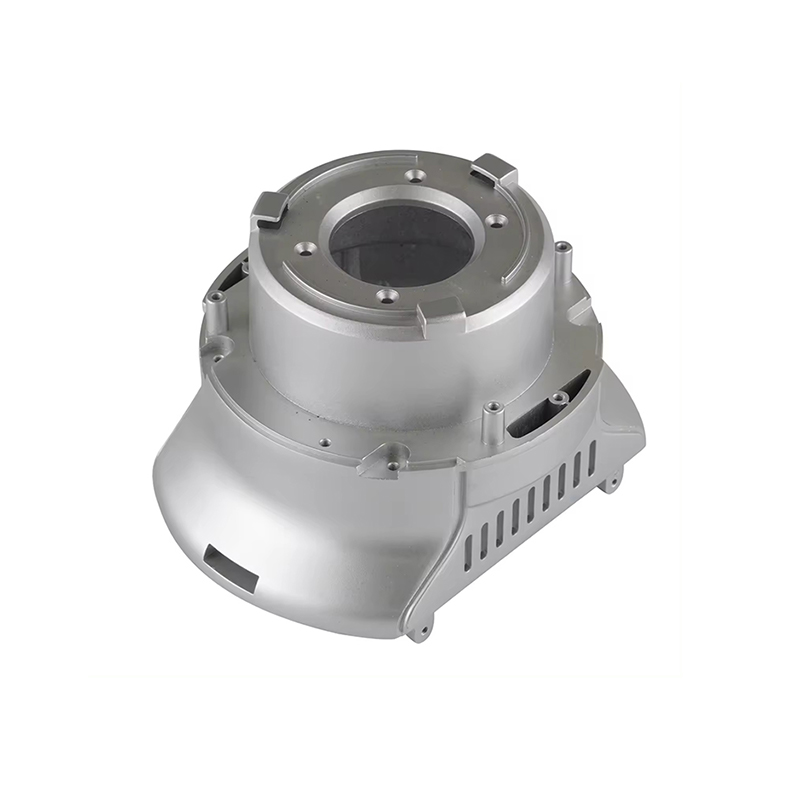
The trajectory of modern industrial design has been defined by a singular pursuit: the optimization of the strength-to-weight ratio. Aluminum die casting parts stand at the epicenter of this evolution. Historically, heavy industry relied on sand casting and iron molding—processes that were reliable but resulted in cumbersome, high-mass components requiring extensive post-processing. The advent of High-Pressure Die Casting (HPDC) transformed the landscape, allowing for the rapid production of complex, net-shape aluminum die casting parts that meet the rigorous demands of the 21st century. The versatility of aluminum die casting parts is unmatched, offering engineers a unique combination of mechanical properties, thermal management, and cost-efficiency that is simply unavailable in other manufacturing methods.
Why aluminum is the preferred material for lightweight parts
The selection of aluminum over other non-ferrous metals like zinc or magnesium is driven by its unique atomic and chemical profile. Aluminum is roughly one-third the density of steel, yet it offers incredible structural integrity. At the atomic level, the face-centered cubic structure of aluminum allows for excellent ductility and toughness even at low temperatures. Nearly 75 percent of all aluminum ever produced is still in use today because aluminum die casting parts can be melted down and reformed with only 5 percent of the energy required to produce primary aluminum. This circular economy makes aluminum die casting parts a sustainable choice for the modern green manufacturing movement. Furthermore, aluminum die casting parts naturally form a protective oxide layer, providing inherent corrosion resistance that is critical for under-the-hood automotive applications and outdoor electronics. By utilizing molten aluminum injected at high velocities into steel dies, engineers can create aluminum die casting parts with thinner walls and more intricate internal geometries than ever before. This transition has led to significant weight reduction in critical assemblies, directly impacting the global push for carbon neutrality and energy efficiency in the transportation sector. The specific gravity of aluminum (2.7 g/cc) compared to steel (7.8 g/cc) highlights why die cast aluminum components are the first choice for reducing unsprung mass in automotive suspension systems.
The Aluminum Die Casting Process Explained
To understand the integrity of aluminum die casting parts, one must look at the fluid dynamics occurring inside the machine. The process is a violent yet precisely controlled event where metal moves from a liquid state to a structural solid in a matter of milliseconds. This rapid transition is necessary to prevent the metal from cooling before it reaches the furthest extremities of the die cavity, ensuring that the aluminum die casting parts have consistent density and grain structure throughout their geometry.
Cold Chamber vs. Hot Chamber casting
A critical distinction in the manufacturing of aluminum die casting parts is the use of the Cold Chamber method. In Hot Chamber casting, the injection mechanism is submerged in the molten metal. This is used for metals like zinc because they have low melting points and do not attack the steel submerged components. However, for aluminum die casting parts, the Cold Chamber method is mandatory. Molten aluminum is highly reactive and acts as a solvent for iron; if a hot-chamber system were used, the aluminum would dissolve the steel components of the machine, leading to rapid failure and contamination of the alloy. In the cold chamber process, the aluminum is melted in a separate furnace and then transferred into a shot sleeve. This thermal separation ensures that the injection system remains within a manageable temperature range, prolonging the life of the machine and ensuring the aluminum die casting parts are free from iron-rich contaminants that could embrittle the final product.
Step-by-step: From molten metal to finished part
The creation of aluminum die casting parts begins with the preparation and lubrication of the die. The die halves are cleaned and sprayed with a chemical lubricant that serves two roles: it regulates the die temperature and prevents the aluminum die casting parts from soldering to the steel. Next is the injection phase, divided into three stages. The first stage involves the plunger moving slowly to clear the air from the shot sleeve. The second stage is the fast shot, where the molten aluminum is forced into the die at speeds reaching 50 meters per second. The third stage is the intensification phase, where pressures are increased to pack the metal into the cavity. Once the metal solidifies, the die opens, and ejector pins push the aluminum die casting parts out. Finally, the trimming process removes the gating system, runners, and overflow wells. This systematic approach ensures that every die cast aluminum component is a precise replica of the original CAD design.
The role of high-pressure injection
High pressure is the defining characteristic that separates die casting from other methods. It ensures that the liquid metal fills every micro-cavity of the mold before solidification begins. Unlike gravity casting, the high-pressure injection process creates a dense, fine-grained skin on the aluminum die casting parts, which provides superior mechanical properties and an exceptional surface finish. Typical injection pressures range from 1,500 to over 25,000 PSI. This massive force allows for the production of aluminum die casting parts with wall thicknesses as low as 1.5mm while maintaining tolerances within thousandths of an inch. The high pressure also helps to "squeeze" out gas porosity, though careful gating design is still required to ensure the aluminum die casting parts meet structural integrity standards.
Popular Aluminum Alloys Used in Die Casting
The performance of aluminum die casting parts is dictated by the chemical composition of the alloy used. While pure aluminum is soft, the addition of Silicon, Copper, and Magnesium creates high-strength industrial materials. Each alloy grade offers a specific set of benefits for aluminum die casting parts, ranging from superior thermal conductivity to enhanced corrosion resistance in marine environments.
| Property | A380 | A360 | ADC12 | A413 |
| Silicon Content | 7.5 percent - 9.5 percent | 9.0 percent - 10.3 percent | 9.6 percent - 12.0 percent | 11.0 percent - 13.0 percent |
| Tensile Strength | 324 MPa | 317 MPa | 310 MPa | 290 MPa |
| Yield Strength | 159 MPa | 172 MPa | 155 MPa | 130 MPa |
| Thermal Conductivity | 96 W/m-K | 113 W/m-K | 92 W/m-K | 121 W/m-K |
| Corrosion Resistance | Good | Excellent | Fair | Excellent |
A380 : The most common choice for general applications
A380 is widely considered the most versatile alloy for aluminum die casting parts. It provides an optimal balance of cost, strength, and ease of manufacturing. The high silicon content improves fluidity, allowing the metal to fill complex molds for aluminum die casting parts like engine brackets and gearbox housings. A380 also has excellent mechanical properties at high temperatures, which is why it is used so frequently in automotive powertrain components. For manufacturers producing custom aluminum die casting, A380 remains the standard due to its predictable shrinkage and resistance to hot cracking during the cooling phase.
A360 : High pressure and corrosion resistance
While A380 is easier to cast, A360 offers significantly better ductility and corrosion resistance. This alloy is particularly favored for aluminum die casting parts that require higher elongation and impact resistance. The lower copper content in A360 makes it much more resistant to pitting and environmental degradation. Therefore, aluminum die casting parts used in marine hardware or high-pressure pneumatic systems often specify A360. However, because it is more difficult to cast than A380, it requires more precise temperature control during the injection process.
ADC12 : Excellent castability and thermal properties
ADC12 is an alloy that is very similar to A380 but is more commonly used in Asian and European manufacturing for aluminum die casting parts. It offers a slightly higher silicon content, which enhances its fluidity even further. This makes it ideal for aluminum die casting parts with extremely thin walls and intricate internal cooling fins. Many heat sinks and electronic enclosures are produced as die cast aluminum components using ADC12 because of its superior ability to replicate fine surface details and maintain dimensional stability over long production runs.
A413 : Best for leak tightness and pressure applications
A413 has a near-eutectic silicon content, which gives it the highest fluidity of all common die casting alloys. This property is crucial for aluminum die casting parts that must be pressure-tight, such as hydraulic bodies, pump housings, and fuel system components. The high fluidity ensures that the aluminum die casting parts are free from the microscopic pores that could lead to leaks under high pressure. Additionally, A413 has excellent thermal management properties, making it a secondary choice for die cast aluminum components that serve as thermal conductors in extreme environments.
Top Benefits of Aluminum Die Casting Parts
Lightweight and high strength-to-weight ratio
In the world of structural engineering, aluminum die casting parts are prized for their specific strength. While steel is stronger in absolute terms, aluminum die casting parts offer a strength-to-weight ratio that allows for more efficient machine designs. In the automotive sector, replacing steel brackets with die cast aluminum components reduces the overall vehicle weight, leading to better fuel economy or longer battery range for electric vehicles. The ability to design aluminum die casting parts with varied wall thicknesses—thicker where high stress occurs and thinner where it does not—allows for targeted structural optimization that is difficult to achieve with stamping or forging.
Superior thermal and electrical conductivity
Aluminum is one of the best conductors of heat among all common metals. This property makes aluminum die casting parts the premier choice for thermal management in the electronics industry. As microprocessors become more powerful, the need to dissipate heat becomes critical. Aluminum die casting parts are used to create intricate heat sinks with hundreds of thin fins that increase surface area for cooling. Furthermore, aluminum die casting parts provide excellent electrical conductivity, allowing them to double as ground paths or EMI shields in sensitive electronic assemblies, protecting internal circuits from radio frequency interference.
High dimensional stability and complex geometries
The high-pressure die casting process allows for the creation of aluminum die casting parts with complex, three-dimensional shapes that would be impossible or prohibitively expensive to machine from solid blocks. Aluminum die casting parts can incorporate holes, threads, ribs, and bosses directly into the mold, significantly reducing the need for secondary operations. The dimensional stability of die cast aluminum components is also exceptional; they do not warp or creep under moderate thermal or mechanical stress, ensuring that they maintain their fit and function throughout the lifetime of the product.
Corrosion resistance and aesthetic finishing options
One of the natural advantages of aluminum die casting parts is their ability to resist environmental degradation. When exposed to oxygen, aluminum forms a stable, microscopic oxide layer that prevents further rust. This makes aluminum die casting parts suitable for harsh outdoor environments. For applications requiring specific aesthetics, die cast aluminum components are highly receptive to surface treatments such as powder coating, painting, and anodizing. These finishes not only enhance the visual appeal of aluminum die casting parts but also provide additional layers of protection against chemical exposure and abrasive wear.
Key Industrial Applications
Automotive : Engine parts, brackets, and transmission cases
The automotive industry is the largest consumer of aluminum die casting parts globally. From engine blocks to transmission cases and structural pillars, aluminum die casting parts are found in nearly every subsystem of a modern vehicle. The shift toward electric vehicles has only increased the demand for custom aluminum die casting. Large-scale aluminum die casting parts are now being used for battery enclosures, protecting the battery cells from impact while providing the necessary thermal management. The use of die cast aluminum components in the powertrain reduces vibration and noise, contributing to a smoother and quieter ride for passengers.
Electronics : Heat sinks and enclosures
The electronics industry relies on aluminum die casting parts for their combination of protection and performance. Heat sinks for high-power LEDs, base stations for 5G telecommunications, and housings for server power supplies are all typical aluminum die casting parts. These components must be both lightweight and highly conductive. Die cast aluminum components are also used in consumer electronics, such as laptop frames and camera bodies, where they provide a premium metal feel and high structural rigidity while keeping the overall product weight low for portability.
Aerospace : Structural components and housing
In the aerospace sector, every gram counts. Aluminum die casting parts are used extensively for flight control housings, fuel system components, and avionics enclosures. These aluminum die casting parts must meet the most stringent quality standards, as failure is not an option in flight. The ability of die cast aluminum components to withstand high G-forces and rapid pressure changes without deforming makes them ideal for both commercial and military aircraft. Furthermore, custom aluminum die casting allows for the integration of multiple parts into a single casting, reducing the risk of fastener failure and simplifying the assembly of complex aircraft systems.
Medical : Imaging equipment and surgical tools
The medical industry uses aluminum die casting parts in a wide range of diagnostic and surgical equipment. Because aluminum is non-magnetic, aluminum die casting parts are essential for components used in MRI scanners. The durability and ease of cleaning associated with die cast aluminum components make them perfect for hospital bed frames, surgical light housings, and portable ventilator bases. Many high-end surgical tools also feature aluminum die casting parts because they can be sterilized repeatedly in autoclaves without losing their structural integrity or corroding, ensuring long-term safety and reliability in clinical settings.
Surface Finishing for Aluminum Parts
Powder coating and painting
Powder coating is one of the most popular finishes for aluminum die casting parts due to its durability and environmental friendliness. During this process, a dry powder is sprayed onto the aluminum die casting parts and then baked in an oven to form a hard, plastic-like skin. This coating is resistant to chemicals, UV rays, and physical impact, making it ideal for aluminum die casting parts used in heavy machinery or outdoor applications. Painting is also a viable option for die cast aluminum components, offering a wider range of custom colors and gloss levels for decorative products.
Anodizing for extra protection
Anodizing is an electrochemical process that thickens the natural oxide layer on aluminum die casting parts. This creates a surface that is incredibly hard and resistant to wear. Anodized aluminum die casting parts can also be dyed in various colors, which are trapped within the porous surface of the oxide before sealing. This makes the color virtually permanent, as it will not peel or flake off. For die cast aluminum components used in high-wear mechanical assemblies or premium consumer goods, anodizing provides a superior finish that combines functional hardness with aesthetic beauty.
Bead blasting and polishing
For aluminum die casting parts that require a specific texture, bead blasting is an excellent solution. By firing small glass or ceramic beads at the aluminum die casting parts, manufacturers can achieve a uniform matte finish that hides any surface imperfections from the casting process. If a high-gloss, reflective surface is required, die cast aluminum components can be polished using mechanical wheels and abrasive compounds. This is common for aluminum die casting parts used in luxury automotive trim or high-end kitchen appliances, where a mirror-like finish is desired to convey quality and sophistication.
Design Considerations for Die Cast Parts
Wall Thickness and Draft Angles
Proper design is the key to producing high-quality aluminum die casting parts at a low cost. Wall thickness should be kept as uniform as possible to ensure even cooling and prevent internal stresses. For aluminum die casting parts, a wall thickness between 2mm and 4mm is generally considered ideal. Draft angles are also critical; they are the slight tapers on the walls of the aluminum die casting parts that allow them to be ejected from the die. Without sufficient draft angles (typically 1.5 to 2.0 degrees), the die cast aluminum components may stick to the mold, causing surface damage or warping during the ejection process.
Minimizing Porosity and Defects
Porosity, or small air bubbles trapped within the metal, is a common challenge in the production of aluminum die casting parts. Designers can minimize porosity by incorporating overflow wells and ensuring the gating system allows air to escape as the metal enters the die. Vacuum-assisted die casting is another technique used for critical aluminum die casting parts, where a vacuum is pulled on the die cavity just before injection. By reducing internal defects, manufacturers can ensure that die cast aluminum components meet the necessary strength requirements for structural applications, especially those requiring secondary machining or heat treatment.
Tooling and Mold Design Longevity
The steel dies used to make aluminum die casting parts are subject to extreme thermal and mechanical stress. Over thousands of cycles, the die may develop micro-cracks known as heat checking. To extend the life of the tooling, designers incorporate cooling channels into the die to manage temperature and use high-quality H13 tool steel. Regular maintenance and the use of specialized lubricants are also essential to ensure the aluminum die casting parts remain consistent in quality over the entire production run. A well-designed die can produce over 100,000 die cast aluminum components before needing major repairs, significantly lowering the long-term cost of production.
Future Trends in Aluminum Die Casting
Automation and AI in quality control
The future of manufacturing aluminum die casting parts lies in Industry 4.0 and the integration of artificial intelligence. AI algorithms are now being used to analyze sensor data from the die casting machines, predicting when a part might be defective before it is even cast. Automated X-ray systems can inspect every aluminum die casting part on the production line, identifying internal porosity that is invisible to the naked eye. This level of automation ensures that only perfect die cast aluminum components reach the customer, drastically reducing the cost of quality control and improving the overall reliability of aluminum die casting parts in critical applications.
Sustainable recycling of aluminum scraps
Sustainability is becoming a major focus for producers of aluminum die casting parts. Most modern foundries now have closed-loop recycling systems where the excess metal from runners and gates is immediately re-melted on-site. This significantly reduces the energy required to produce aluminum die casting parts compared to using virgin aluminum. Furthermore, new aluminum alloys are being developed specifically for custom aluminum die casting that are more easily recycled and have a lower environmental impact. By focusing on green manufacturing, the industry for aluminum die casting parts is positioning itself as a leader in the global effort to reduce industrial carbon emissions.
FAQ
What is the difference between A380 and A360 alloys?
The primary difference between these two alloys for aluminum die casting parts is their copper and silicon content. A380 is easier to cast and is the most common alloy for general aluminum die casting parts like brackets and motor housings. A360 has lower copper content, which gives it superior corrosion resistance and higher ductility. If your aluminum die casting parts need to survive in a marine environment or require higher impact strength, A360 is the better engineering choice despite being slightly more difficult to manufacture.
How long does a typical aluminum die casting mold last?
A typical high-quality tool steel mold for aluminum die casting parts can last between 100,000 and 150,000 shots. The actual lifespan depends on several factors, including the operating temperature, the complexity of the aluminum die casting parts, and how well the die is maintained. Heavy, thick-walled die cast aluminum components tend to wear out the die faster due to the increased thermal load, while smaller, thinner parts allow for a longer tool life. Proper use of die lubricants and cooling systems is essential for maximizing the longevity of the mold.
Can aluminum die casting parts be welded?
Welding standard aluminum die casting parts is difficult because the high heat causes the small amounts of trapped gas (porosity) inside the casting to expand, resulting in a weak and bubbly weld. However, aluminum die casting parts produced using specialized vacuum-assisted or "pore-free" die casting processes can be welded successfully. For most standard die cast aluminum components, it is better to use mechanical fasteners or adhesives if you need to join multiple parts together, as this avoids the structural issues associated with welding porous castings.
How thin can the walls of an aluminum die cast part be?
With modern high-pressure equipment, aluminum die casting parts can be produced with walls as thin as 1.0mm to 1.5mm, depending on the overall size of the part. However, for most industrial die cast aluminum components, a minimum wall thickness of 2.0mm is recommended to ensure the molten metal can fill the entire cavity before it starts to solidify. Designing aluminum die casting parts with ultra-thin walls requires very high injection speeds and precise temperature control, which can increase the complexity and cost of the manufacturing process.
Does wall thickness affect the cost of the part?
Yes, wall thickness has a direct impact on the cost of aluminum die casting parts. Thicker walls require more material and, more importantly, they take longer to cool down inside the die. Since the cycle time is the primary driver of cost in the production of aluminum die casting parts, any increase in cooling time leads to a higher price per part. Therefore, engineers always strive to design die cast aluminum components with the thinnest possible walls that still meet the structural and functional requirements of the application.