English
 Español
 русский
Content
- 1 Introduction to Hot Forged Parts: What Makes Them Unique
- 1.1 Definition and Overview of Hot Forged Parts
- 1.2 Historical Development of Hot Forged Parts
- 1.3 Material Properties and Advantages of Hot Forged Parts
- 1.4 Manufacturing Processes of Hot Forged Parts
- 1.5 Applications of Hot Forged Parts Across Industries
- 1.6 Comparison with Other Manufacturing Methods
- 1.7 Technological Innovations in Hot Forged Parts
- 1.8 Microstructural Characteristics of Hot Forged Parts
- 1.9 Design Considerations for Hot Forged Parts
- 1.10 Industry Standards and Certification for Hot Forged Parts
- 2 Material Advantages of Hot Forged Parts Compared to Cold Forged Parts
- 2.1 Fundamental Differences Between Hot Forged Parts and Cold Forged Parts
- 2.2 Grain Flow and Microstructural Benefits of Hot Forged Parts
- 2.3 Mechanical Strength and Fatigue Resistance Advantages
- 2.4 Size and Geometric Flexibility
- 2.5 Heat Treatment and Material Property Optimization
- 2.6 Resistance to Wear and Impact
- 2.7 Corrosion Resistance and Material Integrity
- 2.8 Dimensional Stability and Tolerance Considerations
- 2.9 Energy Efficiency and Production Considerations
- 2.10 Customization and Engineering Flexibility
- 3 Design Flexibility: How Hot Forged Parts Allow Complex Shapes
- 3.1 Introduction to Design Challenges in Forging
- 3.2 Material Flow and Its Impact on Complex Shapes
- 3.3 Creation of Fillets, Ribs, and Hollow Sections
- 3.4 Forging Large and Asymmetric Components
- 3.5 Integration of Multiple Functional Features
- 3.6 Simulation and Predictive Modeling in Complex Design
- 3.7 Lightweight Design Opportunities
- 3.8 Multi-Material and Alloy Applications
- 3.9 Integration with Post-Forging Processes
- 3.10 Applications Highlighting Complex Geometry Benefits
- 3.11 Advanced Die Technology Supporting Complex Shapes
- 3.12 Importance of Tolerance and Precision in Complex Hot Forged Parts
- 4 Heat Treatment and Processing Techniques for Hot Forged Parts
- 4.1 Introduction to Heat Treatment in Hot Forging
- 4.2 Common Heat Treatment Processes for Hot Forged Parts
- 4.3 Annealing
- 4.4 Normalizing
- 4.5 Quenching
- 4.6 Tempering
- 4.7 Case Hardening and Surface Treatments
- 4.8 Stress Relieving
- 4.9 Hot Forging Processing Techniques
- 4.10 Atmosphere Control During Heat Treatment
- 4.11 Advanced Heat Treatment Techniques
- 4.12 Integration of Heat Treatment with Quality Assurance
- 4.13 Impact of Heat Treatment on Application-Specific Performance
- 4.14 Challenges in Heat Treatment of Hot Forged Parts
- 5 References / Sources
Introduction to Hot Forged Parts: What Makes Them Unique
Definition and Overview of Hot Forged Parts
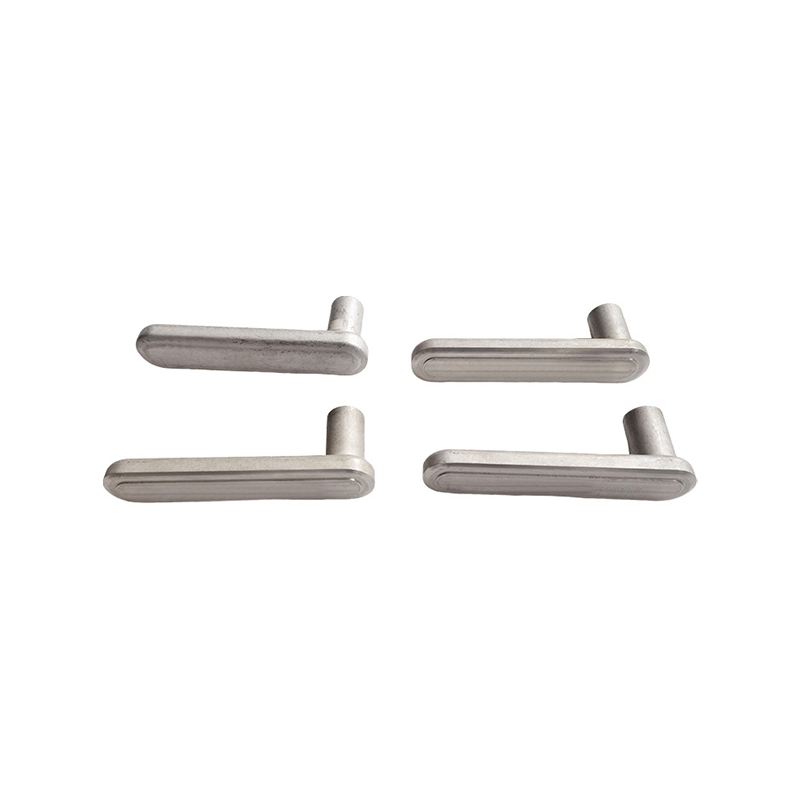
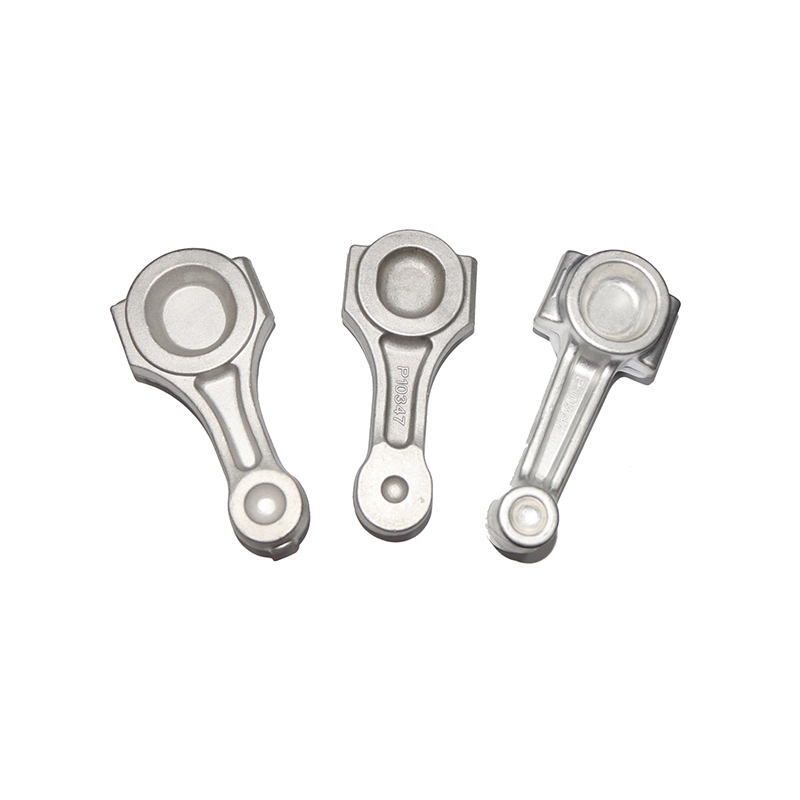
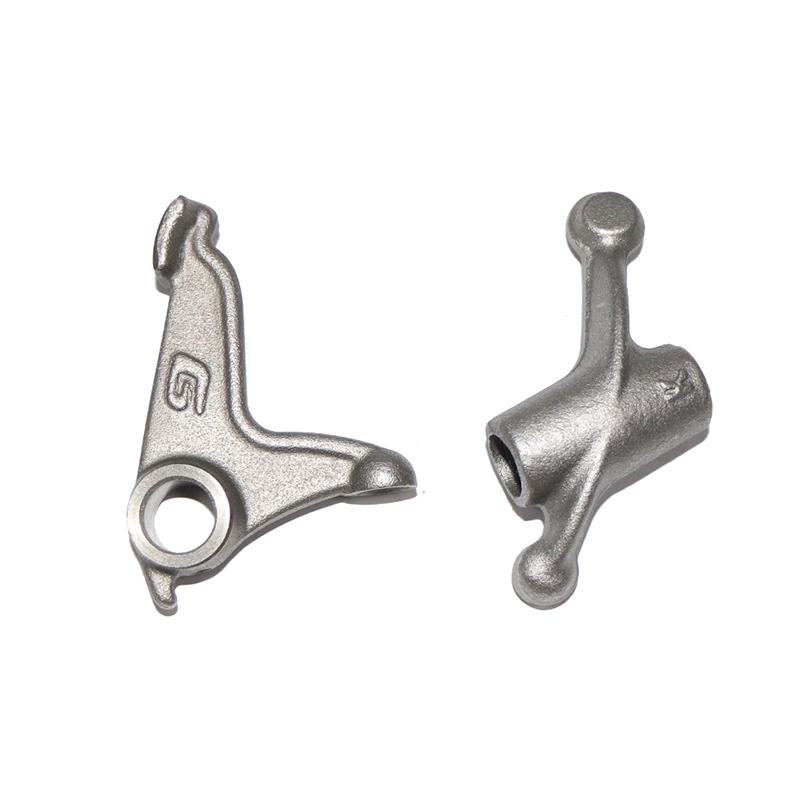
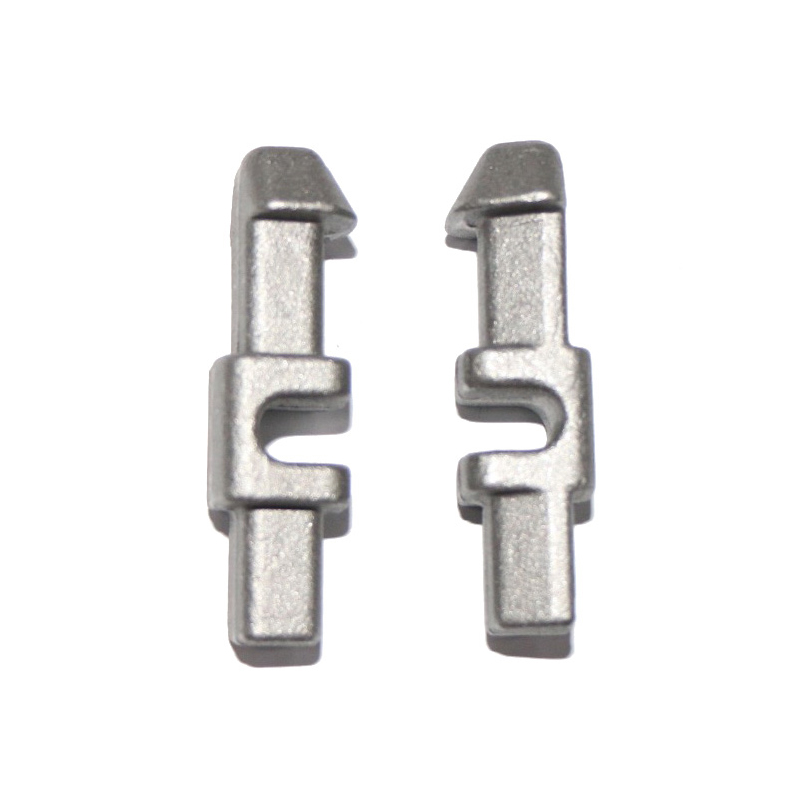
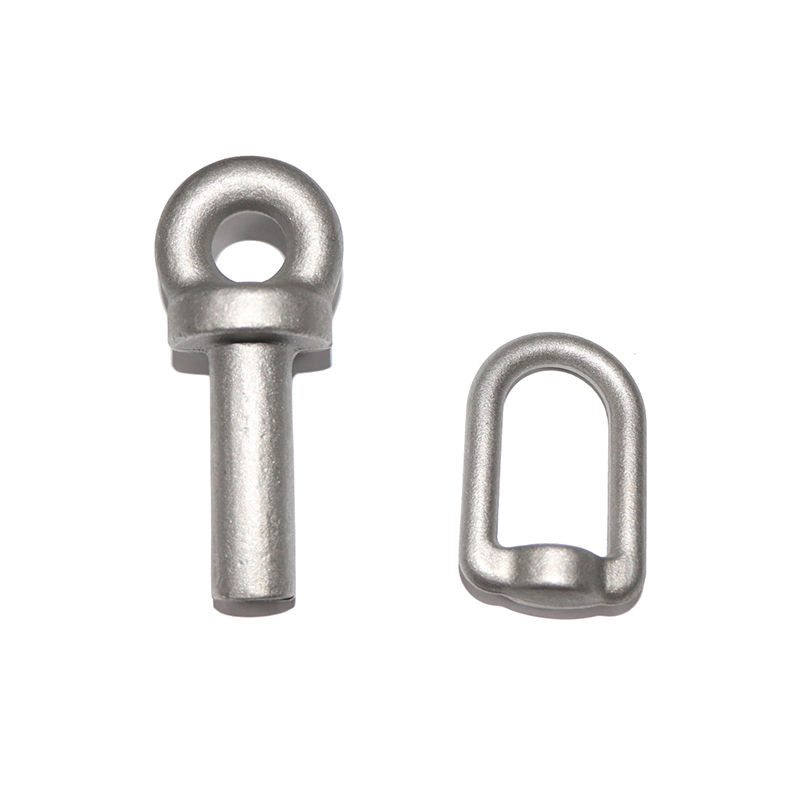
Hot forged parts are components that are manufactured using a metal forging process in which raw materials, typically steel, alloy, or other metals, are heated above their recrystallization temperature and then shaped using compressive forces. The term "hot forging" refers to the application of high temperatures during the deformation process, which makes the material highly ductile and allows it to undergo significant plastic deformation without cracking. Unlike cold forging, which is performed at or near room temperature, hot forging facilitates the production of complex geometries and large structural components that would otherwise be difficult or impossible to achieve with cold forming techniques. The process of hot forging involves several critical steps, including material selection, heating, shaping under high pressure, and often subsequent heat treatment to enhance mechanical properties. The heating process in hot forging typically ranges between 1,000°C to 1,250°C for steel, depending on the type of alloy and the desired material properties. At these elevated temperatures, the metal’s internal grain structure becomes more malleable, which reduces the flow stress required to shape the material. This allows manufacturers to produce components with intricate profiles, such as automotive crankshafts, connecting rods, gears, and heavy machinery parts. Hot forged parts are distinguished by their superior mechanical properties, including high tensile strength, fatigue resistance, and toughness, making them essential for applications subjected to heavy loads and dynamic stresses.
Historical Development of Hot Forged Parts
The process of hot forging dates back several centuries and has evolved significantly with advances in metallurgy, machinery, and process control. Historically, blacksmiths performed rudimentary hot forging by manually heating metal in a forge and hammering it into shape on an anvil. While this manual process was labor-intensive and limited in precision, it laid the foundation for modern forging technologies. The Industrial Revolution introduced mechanized hammers, presses, and furnaces that allowed for the large-scale production of hot forged parts, particularly for the rail, shipbuilding, and automotive industries. With the development of high-strength steels, alloy metals, and advanced temperature control methods in the 20th century, hot forging transitioned into a highly precise and controlled manufacturing process. Today, computer-controlled induction furnaces, hydraulic presses, and automated forging lines enable manufacturers to produce parts with extremely tight tolerances, consistent microstructures, and predictable mechanical properties. Modern hot forged parts benefit from decades of research in metallurgy, including the optimization of grain flow, heat treatment techniques, and surface finishing methods that maximize strength, durability, and fatigue resistance.
Material Properties and Advantages of Hot Forged Parts
Hot forged parts exhibit several material properties that distinguish them from components produced by other manufacturing methods, such as casting, machining, or cold forging. One of the most significant advantages is the enhanced mechanical strength. During hot forging, the metal’s internal grain structure is deformed and aligned according to the shape of the part, creating a continuous grain flow that follows the component’s geometry. This grain flow improves load-bearing capacity, reduces the risk of cracks, and enhances fatigue resistance, particularly in high-stress applications like automotive crankshafts, connecting rods, and aerospace components. Another critical property of hot forged parts is toughness. The combination of high-temperature deformation and subsequent heat treatment enables the metal to absorb energy and resist impact without fracturing. Unlike cast parts, which often contain porosity and inclusions that act as stress concentrators, hot forged parts have a dense and uniform internal structure, reducing the likelihood of failure under dynamic loading. Hot forged parts also demonstrate superior ductility compared to cold forged components, allowing them to deform plastically under stress without brittle failure, which is crucial for safety-critical applications such as suspension arms and heavy machinery links. Heat treatment further enhances the performance of hot forged parts. Depending on the alloy and intended application, processes such as quenching, tempering, or annealing can be applied to achieve the desired balance of hardness, strength, and toughness. This flexibility allows engineers to tailor hot forged components for specific performance requirements, ranging from high-strength automotive drivetrain parts to corrosion-resistant industrial fittings.
Manufacturing Processes of Hot Forged Parts
The production of hot forged parts involves a sequence of controlled processes, each of which is critical to achieving the desired material properties and dimensional accuracy. The first step is material selection, where manufacturers choose an appropriate alloy based on mechanical requirements, corrosion resistance, and temperature tolerance. Common materials include carbon steels, alloy steels, stainless steels, aluminum alloys, and titanium alloys. Each material requires specific heating profiles and deformation parameters to ensure optimal grain structure and mechanical properties. Once the material is selected, it is heated to the appropriate forging temperature using furnaces, typically induction or gas-fired. Heating must be uniform to avoid thermal gradients that could lead to uneven deformation or internal stresses. After reaching the target temperature, the workpiece is transferred to a forging press or hammer, where compressive forces shape the material into the desired geometry. Depending on the complexity of the part, forging can involve multiple steps, including pre-forging, final forging, and trimming. Post-forging processes play a significant role in enhancing the properties of hot forged parts. Heat treatment, including quenching and tempering, optimizes hardness and toughness, while machining operations ensure precise dimensions and surface finish. Non-destructive testing methods, such as ultrasonic inspection or magnetic particle inspection, are often employed to detect internal defects and guarantee quality. The combination of precise forging, controlled heat treatment, and thorough inspection results in components with predictable performance, long service life, and high reliability.
Applications of Hot Forged Parts Across Industries
Hot forged parts are widely used across multiple industries due to their strength, durability, and versatility. In the automotive sector, hot forged components are essential for critical engine and drivetrain parts, including crankshafts, connecting rods, gears, and axles. These components must withstand cyclic loading, high temperatures, and mechanical stresses, making hot forging the ideal manufacturing method. Similarly, in aerospace applications, hot forged titanium and aluminum components are used for landing gear, structural frames, and turbine shafts, where weight, strength, and fatigue resistance are crucial. The industrial machinery sector also relies heavily on hot forged parts, particularly for heavy-duty components such as hydraulic arms, rollers, shafts, and press tools. These components operate under high load and repetitive stress, and their failure could result in significant downtime or safety hazards. Hot forging ensures the structural integrity and long-term reliability of such parts. Additionally, hot forged parts are increasingly used in the energy sector, including wind turbines, oil and gas equipment, and power generation machinery, where superior strength-to-weight ratios and fatigue resistance are critical.
Comparison with Other Manufacturing Methods
Hot forged parts offer distinct advantages over other manufacturing methods, including cold forging, casting, and machining. Compared to cold forging, hot forged parts can achieve larger dimensions and more complex shapes because the elevated temperatures reduce the material’s flow stress and increase ductility. Cold forged components, while having excellent surface finish and dimensional accuracy, are typically limited in size and geometric complexity. Casting, on the other hand, allows for intricate shapes but often results in porosity and weaker internal structures, making hot forging the preferred choice for high-stress applications. Machining can produce precise shapes, but it involves significant material removal, which can lead to waste and does not improve the metal’s inherent strength. Hot forging combines shaping and strengthening in a single process, aligning the internal grain structure with the component’s geometry. This results in parts that are stronger, more durable, and capable of withstanding dynamic and cyclic loading conditions that other manufacturing methods may not tolerate.
Technological Innovations in Hot Forged Parts
Modern advancements in hot forging technology have expanded the capabilities of hot forged parts. Computer numerical control (CNC) forging presses allow for precise control of force, stroke, and temperature, ensuring uniform deformation and consistent mechanical properties. Simulation software enables engineers to predict material flow, stress distribution, and potential defects before actual forging, reducing trial-and-error in production. Induction heating systems provide rapid and uniform heating, improving efficiency and reducing thermal stress on the material. Automation and robotics have further enhanced the production of hot forged parts, enabling high-volume manufacturing with consistent quality. Robotics handle material loading, forging, and trimming operations, minimizing human error and improving safety in high-temperature environments. Advanced monitoring systems track temperature, force, and microstructural changes in real time, allowing for adaptive process control and optimization.
Microstructural Characteristics of Hot Forged Parts
The unique properties of hot forged parts are largely attributed to their microstructure. During the hot forging process, the metal undergoes dynamic recrystallization, where new grains form and align according to the direction of material flow. This continuous grain flow enhances mechanical strength along critical load paths and minimizes weak points. The elimination of porosity and inclusions, combined with uniform grain size distribution, ensures that the part can sustain high stresses without premature failure. Different alloys respond uniquely to hot forging. For example, high-carbon steels achieve high hardness and wear resistance after quenching and tempering, while aluminum alloys maintain lightweight characteristics and corrosion resistance. Understanding the microstructural evolution during forging allows engineers to tailor processing parameters for specific applications, ensuring that hot forged parts meet the stringent requirements of aerospace, automotive, and industrial sectors.
Design Considerations for Hot Forged Parts
Designing components for hot forging requires careful consideration of material flow, die design, and post-forging operations. Engineers must account for shrinkage, dimensional tolerances, and potential surface defects during the design phase. Fillets, radii, and uniform wall thicknesses are preferred to reduce stress concentration and improve material flow during forging. Proper die design ensures that the metal fills the cavity completely, minimizing flash and avoiding internal defects. Considerations for heat treatment, machining allowance, and assembly requirements must also be incorporated to produce functional and reliable hot forged parts.
Industry Standards and Certification for Hot Forged Parts
Hot forged parts are often subject to stringent industry standards and certifications to ensure safety, reliability, and performance. Standards such as ASTM, ISO, SAE, and DIN provide guidelines for material properties, forging processes, dimensional tolerances, and inspection procedures. Compliance with these standards is critical in automotive, aerospace, and energy sectors, where failure of a single component can have catastrophic consequences. Certifications ensure that hot forged parts meet regulatory requirements and perform consistently under operational conditions.
Material Advantages of Hot Forged Parts Compared to Cold Forged Parts
Fundamental Differences Between Hot Forged Parts and Cold Forged Parts
Hot forged parts and cold forged parts are two distinct categories of forged components, differentiated primarily by the temperature at which the forging process is conducted. Hot forging involves heating the workpiece above its recrystallization temperature, typically in the range of 1,000°C to 1,250°C for steel alloys, before applying compressive forces to shape the component. This high-temperature process increases the metal's ductility, reduces flow stress, and allows for significant plastic deformation without cracking. Cold forging, in contrast, is performed at or near room temperature, which limits the degree of deformation that the material can endure without fracturing. While cold forged parts benefit from high dimensional accuracy and smooth surface finish, they are generally constrained in size and complexity compared to hot forged components. The differences in temperature between the two forging processes have a direct impact on the microstructure, mechanical properties, and performance of the resulting parts. Hot forging promotes dynamic recrystallization, which eliminates internal defects such as porosity and inclusions, while cold forging primarily relies on plastic deformation and strain hardening to enhance material strength. The recrystallized grain structure in hot forged parts aligns with the geometry of the component, providing a continuous grain flow that enhances load-bearing capacity and resistance to fatigue. Cold forged parts, while stronger in the near-surface region due to work hardening, may not exhibit the same depth of uniform mechanical properties throughout the component.
Grain Flow and Microstructural Benefits of Hot Forged Parts
One of the primary material advantages of hot forged parts over cold forged parts is the formation of a continuous and controlled grain flow during the forging process. Grain flow refers to the alignment of the crystalline structure of the metal along the shape of the component, which is naturally achieved when the metal is deformed at elevated temperatures. The dynamic recrystallization that occurs during hot forging allows the metal grains to reform, eliminating elongated or distorted grains that could become weak points in the component. The resulting microstructure exhibits uniformity and density, which improves tensile strength, toughness, and resistance to crack propagation. In contrast, cold forged parts experience significant strain hardening due to plastic deformation at room temperature. While this can increase surface hardness and yield strength, the internal microstructure may retain residual stresses and potential defects, such as microcracks or non-uniform grain distribution. Cold forging does not allow the metal grains to realign naturally, which can limit fatigue resistance and toughness in high-stress applications. The superior grain flow in hot forged parts makes them particularly suitable for components subjected to dynamic loading, impact, or high-temperature conditions, including automotive crankshafts, connecting rods, and industrial shafts.
Mechanical Strength and Fatigue Resistance Advantages
Hot forged parts typically exhibit higher mechanical strength and fatigue resistance compared to cold forged parts. The alignment of grains along the geometry of the part enables it to distribute applied loads more effectively, reducing localized stress concentrations that could lead to failure. The elimination of internal voids and inclusions during hot forging further enhances the part’s ability to withstand cyclic loading, making it ideal for critical components in automotive, aerospace, and heavy machinery applications. Cold forged parts, while achieving increased hardness and yield strength at the surface due to work hardening, may be more prone to internal stress concentrations that reduce fatigue life. The lack of full grain realignment limits the ability of cold forged components to handle high dynamic or impact loads over extended periods. Hot forged parts maintain a balance of high tensile strength, ductility, and toughness throughout the entire cross-section, providing a more reliable and predictable performance under demanding operational conditions.
Size and Geometric Flexibility
Hot forged parts offer significant advantages in terms of size and geometric complexity compared to cold forged parts. The high-temperature deformation process reduces the material's resistance to flow, allowing for the production of large, heavy-duty components that would be challenging or impossible to produce through cold forging. Components such as large gears, crankshafts, turbine shafts, and structural machine elements are more efficiently manufactured using hot forging. Cold forging, constrained by room temperature plasticity limits, is better suited for smaller, simpler components where high surface finish and tight dimensional tolerances are essential. Large-scale or complex shapes require multiple steps, high forming pressures, or intermediate heating, which increases production time and costs. Hot forged parts enable manufacturers to produce intricate geometries with fewer processing steps, ensuring consistency and minimizing the risk of defects during production.
Heat Treatment and Material Property Optimization
Hot forged parts can be subjected to various post-forging heat treatments, such as quenching, tempering, and annealing, to optimize mechanical properties for specific applications. The initial high-temperature forging ensures that the metal has a refined and uniform grain structure, which responds predictably to heat treatment processes. Engineers can tailor the hardness, toughness, and strength of hot forged components to meet demanding application requirements, whether for automotive drivetrain components, aerospace structural elements, or heavy machinery. Cold forged parts, while benefiting from work hardening, have less flexibility in post-processing to modify material properties. Excessive heat treatment may reduce the benefits of strain hardening, and the internal residual stresses from cold forging may lead to dimensional instability during heating. Hot forged parts, by contrast, allow precise control over the balance of hardness, ductility, and tensile strength throughout the component, enabling performance optimization that cold forged parts may not achieve.
Resistance to Wear and Impact
The internal structure and material properties of hot forged parts contribute to superior wear and impact resistance compared to cold forged parts. The uniform grain flow and dense microstructure enable the component to absorb energy from mechanical shocks without fracturing, which is critical for parts subjected to repeated loading or sudden impacts. Hot forged components are frequently used in high-wear applications, such as gears, axles, connecting rods, and industrial presses, where durability under mechanical stress is essential. Cold forged parts, while strong in surface hardness, may have a higher likelihood of microcrack formation and subsurface defects that reduce long-term wear resistance. The inability of the internal structure to realign during cold forging limits the part’s capacity to absorb impact energy, making them less suitable for heavy-duty or high-impact environments.
Corrosion Resistance and Material Integrity
Hot forged parts often exhibit better corrosion resistance and material integrity than cold forged parts, particularly when manufactured from alloy steels, stainless steels, or corrosion-resistant materials. The high-temperature forging process eliminates microvoids, reduces inclusions, and enhances the density of the metal, providing fewer pathways for corrosive agents to penetrate the material. Post-forging heat treatments and surface finishing further improve resistance to oxidation and chemical attack. Cold forged parts, due to retained internal stresses and potential microcracks, may experience localized corrosion or stress corrosion cracking over time, especially in aggressive environments. Hot forged parts’ uniform microstructure and higher overall material integrity make them more reliable for use in chemical plants, marine applications, automotive engine components, and other demanding environments.
Dimensional Stability and Tolerance Considerations
Hot forged parts offer excellent dimensional stability, particularly when combined with proper heat treatment and machining operations. The high-temperature forging process reduces internal stresses, and the uniform grain structure minimizes warping or deformation over time. Components such as large automotive shafts, heavy-duty gears, and industrial machine parts benefit from the stability and predictability of hot forged materials. Cold forged parts, while initially dimensionally accurate, may exhibit stress relaxation or springback over time due to residual internal stresses introduced during room-temperature deformation. This can lead to minor but significant deviations from design specifications in high-precision applications, which may require additional machining or corrective processes. Hot forged parts’ combination of high dimensional stability and machinability reduces the need for extensive post-processing and improves overall manufacturing efficiency.
Energy Efficiency and Production Considerations
Although hot forging requires energy input to heat the material, the overall efficiency in producing large, complex, and high-strength components can outweigh the energy costs. Hot forged parts often require fewer forming steps and less material waste compared to cold forging, particularly for large-scale or complex geometries. The ability to produce stronger, more durable components in fewer steps reduces downstream maintenance and replacement costs in industrial applications. Cold forging, while energy-efficient in terms of heating, may require multiple stages, higher pressing forces, or intermediate annealing for larger components. Material removal and machining to achieve final dimensions further increase production effort and cost. Hot forged parts’ combination of strength, reliability, and process efficiency makes them ideal for high-performance industrial, automotive, and aerospace applications where material performance and production consistency are critical.
Customization and Engineering Flexibility
Hot forged parts provide significant engineering and design flexibility, allowing manufacturers to tailor components to meet specific operational and environmental requirements. Engineers can select appropriate alloys, control grain flow, apply targeted heat treatments, and implement surface finishing techniques to achieve the desired balance of strength, toughness, wear resistance, and corrosion resistance. This flexibility is particularly valuable in aerospace, automotive, and heavy machinery applications, where precise performance characteristics are required for safety and efficiency. Cold forged parts, while suitable for standardized, smaller components, offer limited customization due to constraints in material deformation and strain-hardening effects. Hot forged parts, by enabling control over internal structure, mechanical properties, and overall component geometry, provide manufacturers with the ability to engineer high-performance solutions for complex and demanding applications.
Design Flexibility: How Hot Forged Parts Allow Complex Shapes
Introduction to Design Challenges in Forging
The production of metal components often requires a balance between strength, durability, manufacturability, and the ability to form complex geometries. Traditional manufacturing methods such as casting, machining, and cold forging impose limitations on the shapes that can be achieved, particularly when the component must withstand high stresses, cyclic loads, or impact forces. Hot forged parts address these challenges by combining elevated temperature deformation with precise die design and controlled material flow, allowing engineers to create components that are both structurally robust and geometrically complex. Hot forging enables the production of features such as fillets, ribs, hollow sections, and intricate contours that are often impossible or impractical to achieve using cold forging or machining alone. The high temperature of the workpiece reduces flow stress and increases ductility, allowing the material to fill intricate die cavities uniformly and completely. This capability is essential for parts in the automotive, aerospace, heavy machinery, and energy sectors, where design complexity is closely tied to performance, weight reduction, and operational efficiency.
Material Flow and Its Impact on Complex Shapes
The primary factor enabling design flexibility in hot forged parts is the behavior of the metal under high-temperature deformation. At temperatures above the recrystallization point, metals exhibit significantly enhanced plasticity, allowing them to flow into detailed die cavities without cracking or forming voids. This controlled material flow allows the creation of complex geometries, including internal channels, undercuts, and thin-walled sections that are critical for advanced mechanical and thermal performance. Die design plays a crucial role in guiding material flow during hot forging. Engineers can predict the behavior of heated metal using computational simulations such as finite element analysis (FEA) to ensure uniform filling, minimize stress concentrations, and avoid defects such as laps or folds. By optimizing die angles, radii, and cavity shapes, manufacturers can exploit the material’s high-temperature ductility to produce geometries that would otherwise require multiple machining steps or assembly of several parts.
Creation of Fillets, Ribs, and Hollow Sections
Hot forging allows the integration of functional features such as fillets, ribs, and hollow sections directly into the component without the need for secondary operations. Fillets reduce stress concentration at corners, enhancing fatigue resistance and structural integrity. Ribs provide reinforcement without adding significant weight, which is critical in automotive and aerospace applications where performance and efficiency are closely linked to weight optimization. Hollow sections reduce material usage and component weight while maintaining structural strength, a combination often unattainable through machining or cold forging alone. The ability to incorporate these features during the forging process eliminates the need for welding or assembly of multiple subcomponents, reducing potential failure points and manufacturing complexity. Additionally, this approach enhances surface continuity and maintains the natural grain flow of the metal, which is critical for mechanical performance. Cold forging, while effective for simpler shapes, is generally unable to accommodate complex internal features or deep cavities without intermediate annealing and multiple forming steps, making hot forging superior for intricate designs.
Forging Large and Asymmetric Components
Hot forged parts can be produced in large sizes and asymmetric geometries that are difficult or impossible to achieve with cold forging. Components such as crankshafts, connecting rods, large gears, structural frames, and heavy-duty shafts often feature irregular shapes and multiple planes, requiring a high degree of design flexibility. Elevated temperatures reduce flow resistance, allowing the material to conform to complex dies and fill large cavities without excessive forging force. Asymmetric geometries are particularly important in applications where the load distribution is non-uniform or where functional requirements dictate irregular shapes. Hot forging allows engineers to maintain continuous grain flow along critical stress paths, even in components with varying cross-sections or non-standard contours. This capability enhances both the mechanical performance and fatigue resistance of the part while reducing the need for post-forging machining or assembly.
Integration of Multiple Functional Features
Hot forged parts enable the integration of multiple functional features into a single component. For example, automotive connecting rods may combine reinforced heads, precision shank dimensions, and eyelet features in a single forged piece. Aerospace components such as landing gear arms can integrate mounting points, stress-relieving fillets, and hollow sections into one forged structure. This integration reduces assembly time, eliminates fasteners or welds, and enhances reliability by creating continuous material structures with uniform grain alignment. Design flexibility in hot forging also allows engineers to consider functional requirements such as weight reduction, vibration damping, and thermal conductivity. Thin sections can be incorporated where weight reduction is needed, while thicker regions provide strength and wear resistance. Hot forging ensures that these varying cross-sections maintain proper material integrity and mechanical performance, which is difficult to achieve using cold forging, machining, or casting alone.
Simulation and Predictive Modeling in Complex Design
Modern hot forging relies heavily on computational modeling to maximize design flexibility. Simulation tools such as finite element analysis (FEA) and computational fluid dynamics (CFD) allow engineers to predict how heated metal will flow into complex dies, how stresses will distribute during deformation, and how temperature gradients affect microstructural evolution. These predictive tools enable optimization of die geometry, forging force, and thermal profiles to achieve desired component shapes without trial-and-error experimentation. Simulation also allows engineers to anticipate potential defects such as incomplete filling, laps, folds, or excessive flash formation. By adjusting die geometry, forging speed, and temperature distribution, manufacturers can achieve highly intricate shapes with minimal defects. Cold forging offers limited predictive control, as work hardening at room temperature increases the risk of cracking during complex deformation, making hot forging the preferred choice for advanced, high-performance components.
Lightweight Design Opportunities
Hot forging facilitates the creation of lightweight components with high structural integrity. By allowing hollow sections, tapered walls, and ribbed reinforcement to be formed directly in the forged component, designers can achieve significant weight reduction without sacrificing strength or durability. This is particularly critical in automotive and aerospace industries, where reduced weight improves fuel efficiency, increases payload capacity, and enhances dynamic performance. Cold forged parts, while effective for smaller and simpler shapes, are generally heavier for equivalent strength levels due to limitations in achieving complex internal geometries. Hot forging enables material optimization, where each region of the part is tailored for its specific load-bearing function. This capability contributes to efficient designs that balance mechanical performance, weight, and cost.
Multi-Material and Alloy Applications
Hot forging allows the use of diverse alloys and material grades to achieve complex shapes with specialized properties. For example, high-strength steels, titanium alloys, and aluminum alloys can be forged into intricate components with tailored mechanical and thermal properties. Different alloys respond to hot forging in unique ways, providing engineers with opportunities to create components optimized for wear resistance, corrosion resistance, fatigue strength, or thermal performance. Cold forging, limited by room-temperature ductility, is generally restricted to softer alloys or smaller components. The flexibility of hot forging in accommodating multiple alloy types and integrating them into complex geometries enables high-performance solutions for aerospace, automotive, and industrial applications where specialized material properties are essential.
Integration with Post-Forging Processes
The design flexibility of hot forged parts also extends to compatibility with post-forging operations. Machining, heat treatment, surface finishing, and coating processes can be tailored to components with complex shapes forged at high temperatures. For example, precision holes, mounting surfaces, and threads can be added after forging, while the main geometry and grain structure remain optimized for strength and fatigue resistance. Hot forging provides a strong foundation for further customization without compromising the integrity of the component. Cold forging, while compatible with machining, often requires additional processing to relieve residual stresses, correct shape deviations, or add features that could not be formed during initial deformation. The intrinsic flexibility of hot forged components reduces the need for extensive secondary processing, enabling higher-quality outcomes in less time.
Applications Highlighting Complex Geometry Benefits
Examples of hot forged components with complex shapes demonstrate the design flexibility advantages. Automotive applications include crankshafts with variable cross-sections, connecting rods with reinforced eyes, and suspension arms with hollow and ribbed structures. Aerospace applications involve landing gear, turbine shafts, and structural frames with integrated ribs, fillets, and hollow passages. Industrial machinery utilizes forged components with asymmetrical geometries, integrated flanges, and large structural members. In each case, hot forging enables the production of components that are not only strong and durable but also optimized for complex functional requirements.
Advanced Die Technology Supporting Complex Shapes
Die technology is a critical enabler of design flexibility in hot forging. Modern forging dies are made from high-strength tool steels capable of withstanding repeated high-temperature deformation. Advanced die features such as inserts, variable wall thickness cavities, and controlled flow channels allow precise shaping of complex geometries. Multiple-stage forging dies can sequentially form pre-forged, intermediate, and final shapes with minimal defects. This technology allows designers to exploit the material’s plasticity fully and produce intricate components with consistent quality.
Importance of Tolerance and Precision in Complex Hot Forged Parts
Hot forging allows designers to maintain precise tolerances even in complex geometries. Although hot forging involves high temperatures, modern process control, including temperature regulation, press force monitoring, and die design optimization, ensures consistent dimensions across large batches. The alignment of the internal grain structure with the component’s geometry maintains mechanical performance while reducing the need for excessive post-forging machining. This combination of complexity and precision is particularly critical in high-performance automotive, aerospace, and industrial applications, where both shape and functionality are paramount.
Heat Treatment and Processing Techniques for Hot Forged Parts
Introduction to Heat Treatment in Hot Forging
Heat treatment is a critical step in the production of hot forged parts, directly influencing mechanical properties such as hardness, toughness, ductility, fatigue resistance, and dimensional stability. Hot forging alone alters the microstructure of metals, producing a refined grain alignment and improving internal density, but to achieve optimal performance characteristics, post-forging heat treatment processes are often required. The combination of high-temperature deformation and controlled thermal processing allows manufacturers to tailor the properties of each component for its intended application, whether in automotive, aerospace, industrial machinery, or energy sectors. Hot forged parts experience complex thermal histories during both the forging and cooling stages. The initial heating to forging temperatures, typically between 1,000°C and 1,250°C for steel alloys, causes dynamic recrystallization, grain growth, and phase transformations. Subsequent cooling and heat treatment steps further refine the microstructure, relieve residual stresses, and adjust hardness and tensile strength. The proper selection of heat treatment parameters—including temperature, duration, cooling rate, and atmospheric conditions—is essential for producing components that meet stringent engineering requirements.
Common Heat Treatment Processes for Hot Forged Parts
Several heat treatment processes are commonly employed to optimize the properties of hot forged parts. These include annealing, normalizing, quenching, tempering, case hardening, and stress relieving. Each process affects the microstructure differently and is selected based on the alloy type, part geometry, and functional requirements.
Annealing
Annealing involves heating hot forged parts to a specified temperature, maintaining that temperature for a controlled period, and then cooling at a predetermined rate. This process softens the metal, increases ductility, and relieves internal stresses induced during forging. Annealing is particularly useful for high-carbon steels or alloy steels that require subsequent machining or forming operations. By producing a uniform and refined grain structure, annealing enhances toughness and minimizes the risk of cracking or distortion during downstream processes. Variations of annealing, such as full annealing, spheroidizing, and process annealing, are employed depending on the material composition and the desired mechanical properties.
Normalizing
Normalizing is a heat treatment process in which hot forged parts are heated to a temperature above their critical range and then air-cooled. Unlike annealing, normalizing promotes a uniform and fine-grained microstructure while retaining relatively high strength and hardness. This process is commonly applied to medium- and high-carbon steels, alloy steels, and structural components that require balanced mechanical properties. Normalizing reduces residual stresses from forging, enhances dimensional stability, and improves machinability. Multiple normalizing cycles can be used for components with complex geometries to ensure uniform temperature distribution and consistent microstructure throughout the part.
Quenching
Quenching is a rapid cooling process designed to increase the hardness and strength of hot forged parts. After heating the part to a temperature within the austenitizing range, it is rapidly cooled in a quenching medium such as water, oil, polymer solutions, or molten salts. The choice of quenching medium, cooling rate, and temperature profile is critical to controlling the formation of microstructural phases, such as martensite in steel alloys, which provide high hardness and wear resistance. Quenching induces significant internal stresses, which must be managed through subsequent tempering to prevent cracking or distortion. Quenching is widely used for high-strength automotive components, industrial gears, and critical aerospace parts where wear resistance and fatigue strength are essential.
Tempering
Tempering is a heat treatment applied after quenching to reduce brittleness while retaining adequate hardness and strength. Tempering involves reheating the quenched part to a temperature below the critical point, holding it for a specified period, and then cooling at a controlled rate. This process allows the transformation of martensitic structures into tempered martensite, which balances hardness and toughness. By adjusting the tempering temperature and time, engineers can fine-tune mechanical properties to match operational requirements, such as impact resistance, fatigue life, and dimensional stability. Components such as crankshafts, connecting rods, and high-strength shafts often undergo multiple tempering cycles to achieve optimal performance.
Case Hardening and Surface Treatments
Case hardening is a surface-specific heat treatment technique used to enhance wear resistance while maintaining a tough and ductile core. Processes such as carburizing, nitriding, and carbonitriding introduce additional carbon or nitrogen into the surface layer of the forged part, creating a hard case with a softer, shock-absorbing core. Carburizing involves heating the part in a carbon-rich atmosphere, followed by quenching and tempering, producing a hardened surface capable of resisting wear and fatigue. Nitriding introduces nitrogen into the surface at lower temperatures, resulting in a hard, corrosion-resistant layer without the need for quenching. Case-hardened hot forged parts are commonly used in gears, camshafts, shafts, and bearing components where surface durability is critical.
Stress Relieving
Stress relieving is a controlled heat treatment process aimed at reducing residual stresses introduced during hot forging, machining, or quenching. Parts are heated to a temperature below the critical range, held for a specified time, and then cooled slowly to prevent thermal gradients. Stress relieving improves dimensional stability, reduces the risk of distortion during machining, and enhances fatigue performance. Complex hot forged components with varying cross-sections or large sizes particularly benefit from stress-relieving treatments to maintain tolerance accuracy and ensure consistent mechanical behavior.
Hot Forging Processing Techniques
In addition to heat treatment, processing techniques during forging significantly influence the final properties of hot forged parts. These techniques include die design optimization, controlled deformation rates, multi-stage forging, and precision trimming. Proper die design ensures uniform material flow, minimizes stress concentrations, and prevents defects such as laps or folds. Forging speed and applied pressure must be carefully controlled to balance grain refinement, internal density, and surface quality. Multi-stage forging processes are often employed for complex or large components. Pre-forging establishes the general shape, followed by intermediate forging to refine features, and final forging to achieve dimensional accuracy and surface quality. Precision trimming removes excess flash and prepares the part for subsequent heat treatment and machining. Each processing step affects microstructure evolution, grain alignment, and mechanical performance, making precise control critical for high-performance hot forged parts.
Atmosphere Control During Heat Treatment
Atmosphere control during heat treatment is essential for preventing oxidation, decarburization, or contamination of hot forged parts. Protective atmospheres, such as inert gases, vacuum, or controlled partial pressures of carbon or nitrogen, are used to maintain surface integrity and optimize mechanical properties. Furnace design, temperature uniformity, and gas flow dynamics all contribute to consistent heat treatment results. Components such as alloy steels, stainless steels, and titanium alloys require carefully controlled atmospheres to achieve desired hardness, toughness, and corrosion resistance.
Advanced Heat Treatment Techniques
Modern advances in heat treatment include induction hardening, laser surface hardening, and thermomechanical processing, which combine thermal and mechanical effects to optimize microstructure and performance. Induction hardening uses electromagnetic induction to rapidly heat localized regions of a part, followed by quenching, producing hard, wear-resistant surfaces while retaining a tough core. Laser surface hardening enables precise treatment of critical areas without affecting the overall geometry. Thermomechanical processing integrates controlled deformation and heat treatment in a single step, further refining grain structure and enhancing mechanical properties.
Integration of Heat Treatment with Quality Assurance
Heat treatment and processing techniques are closely linked to quality assurance practices for hot forged parts. Non-destructive testing (NDT) methods, such as ultrasonic inspection, magnetic particle inspection, and dye penetrant testing, are employed before and after heat treatment to detect internal and surface defects. Mechanical testing, including hardness, tensile, and fatigue tests, ensures that the heat-treated components meet specified engineering requirements. Process monitoring and control, including temperature tracking, cooling rate measurement, and furnace calibration, are critical to maintaining consistency and reliability across production batches.
Impact of Heat Treatment on Application-Specific Performance
The selection and execution of heat treatment processes directly impact the suitability of hot forged parts for specific applications. Automotive components require precise combinations of hardness, toughness, and fatigue resistance to withstand cyclic loads and high temperatures. Aerospace components demand high-strength materials with excellent dimensional stability and resistance to impact or vibration. Industrial machinery components need wear-resistant surfaces with ductile cores to manage heavy loads and dynamic stresses. The versatility of heat treatment processes allows engineers to customize microstructure, hardness, and residual stress profiles to meet these diverse operational demands.
Challenges in Heat Treatment of Hot Forged Parts
Several challenges arise when heat treating hot forged parts, particularly those with complex geometries or large sizes. Uneven heating can lead to thermal gradients, resulting in residual stresses, distortion, or differential hardness across the part. Controlling cooling rates is critical to avoid cracking, warping, or the formation of undesirable microstructures. Thick sections require careful monitoring to ensure uniform penetration of heat and adequate phase transformation. Surface oxidation, decarburization, and contamination must be managed using protective atmospheres or coatings. Process optimization, including simulation and precise temperature control, is essential for addressing these challenges effectively.
References / Sources
-
Poloczek, Ł., Rauch, Ł., Wilkus, M., et al. (2020). Physical and Numerical Simulations of Closed Die Hot Forging and Heat Treatment of Forged Parts. Materials, 14(1), 15.
-
Turek, J., et al. (2019). Methods for Increasing the Durability of Hot Forging Tools. Materials (Basel).
-
Springer Authors. (2020). Development of New Preheating Methods for Hot Forging Tools. Metallurgical and Materials Transactions A, 51, 4753–4764.
-
Springer Research. (2020). Impact of Multi-step Heat Treatment on 18CrNiMo7-6 Steel. Metallurgical and Materials Transactions A.