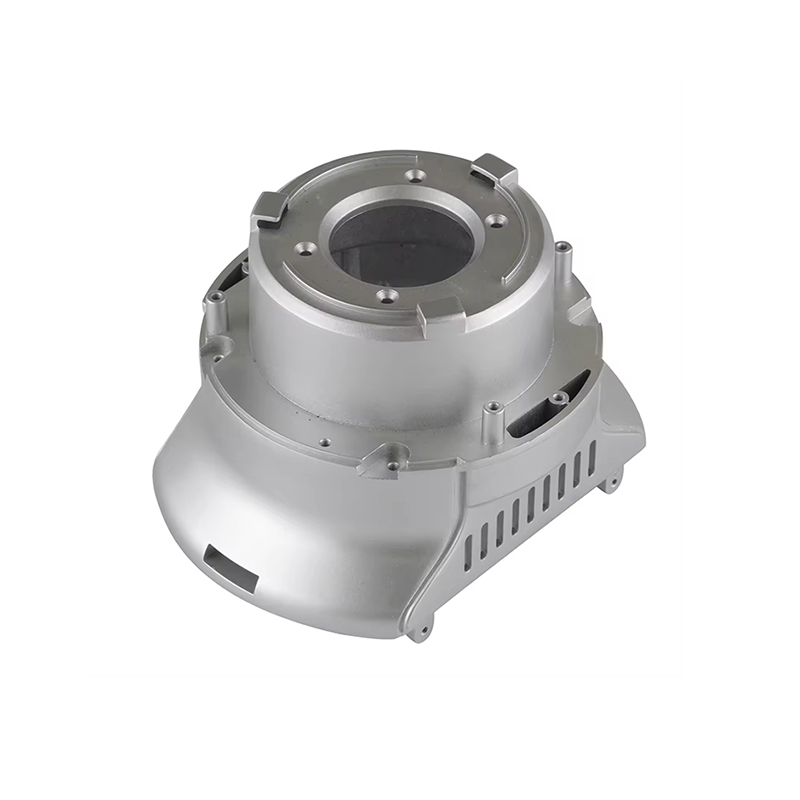
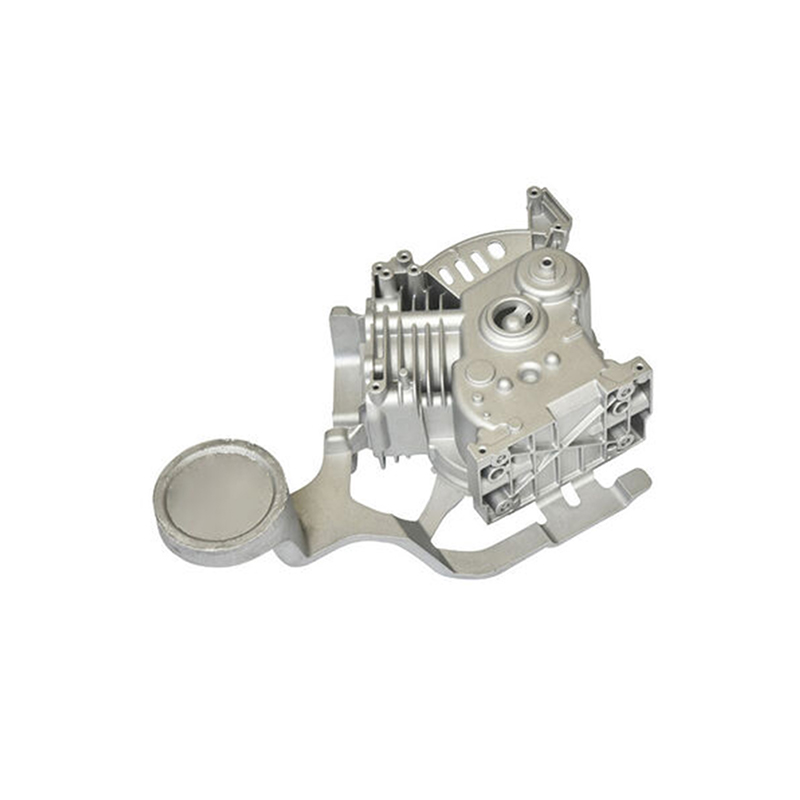
English
 Español
 русский
Content
- 1 What Is Die Casting?
- 2 How the Die Casting Process Works
- 3 Types of Die Casting Processes
- 4 Die Casting Materials and Their Characteristics
- 5 Advantages and Limitations of Die Casting
- 6 Where Die Casting Is Used Today
- 7 Die Casting Services at Ningbo Chengen Machinery
- 8 Frequently Asked Questions About Die Casting
When manufacturing engineers talk about die casting, they usually mean a metal casting process that forces molten metal under high pressure into a hardened steel mold called a die. Because the metal fills the cavity before it solidifies, die casting can reproduce highly complex shapes at production speeds that would be difficult to match with most other forming methods. At Ningbo Chengen Machinery, we have applied this process for years across aluminum and zinc alloy projects, and we have found that a clear definition of die casting helps customers make better sourcing decisions.
What Is Die Casting?
Die casting is a manufacturing process in which non-ferrous alloys are melted and injected into a reusable steel die at high pressure and speed. The die acts like a negative of the part, and the molten metal quickly fills every cavity, channel, and thin wall. Once the metal cools and solidifies, the die opens and the finished casting is ejected. This cycle can repeat thousands or even millions of times, which is why die casting is often the preferred method for high-volume production of small and medium-sized components.
The process is distinct from sand casting or investment casting because it relies on permanent metal molds rather than disposable molds. Because the die is machined to exact dimensions, die cast parts display outstanding dimensional accuracy and a smooth surface finish. It is not just the mold that matters; the pressure applied during injection also gives the material a fine-grained structure, producing stronger parts for their wall thickness than many other casting methods.
How the Die Casting Process Works
Although every die casting cell is configured differently, the basic sequence remains consistent. Die casting is performed in a dedicated machine with a shot system capable of accelerating molten metal into the die at pressures that range from roughly 7 MPa to over 100 MPa, depending on the process variant.
- The die is cleaned, sprayed with a release agent, and closed.
- Molten metal is transferred from a furnace or shot sleeve into the injection chamber.
- A plunger forces the molten metal into the die cavity at high speed and pressure.
- The metal is held under pressure as it cools and solidifies.
- The die opens and ejector pins push the finished casting out of the cavity.
- Flash and runners are trimmed, and the component moves on to secondary operations.
In our manufacturing environment, die casting often pairs naturally with CNC machining and surface treatment. A cast blank can be produced in seconds, then machined to final tolerances, giving us an efficient route for high-precision parts.
Types of Die Casting Processes
The two main technologies used in production are hot-chamber and cold-chamber die casting. The difference comes from how the molten metal is delivered to the injection system.
Cold-Chamber Die Casting
In cold-chamber die casting, the metal is melted in a separate furnace and ladled into a shot sleeve before injection. This keeps the injection mechanism away from prolonged contact with molten metal, which makes it suitable for alloys with higher melting points, especially aluminum. Most automotive and structural aluminum die castings are made this way.
Hot-Chamber Die Casting
Hot-chamber die casting keeps the injection mechanism submerged inside the melting pot. The plunger pushes the liquid metal directly into the die through a gooseneck assembly. Because the machine is immersed in the melt, the process is best suited to low-melting-point alloys such as zinc and magnesium. Hot-chamber machines operate quickly and are widely used for small parts in hardware and electronic products.
Die Casting Materials and Their Characteristics
Selection of the right alloy depends on the required mechanical properties, corrosion resistance, weight, and cost. Aluminum, zinc, and magnesium are the most common die casting materials, and each brings something different to the table.
| Alloy | Key Characteristics | Typical Applications |
|---|---|---|
| Aluminum | Lightweight, good strength, excellent thermal conductivity | Automotive powertrain, motor housings, industrial pumps |
| Zinc | High ductility, easy to cast, superb surface finish | Building hardware, gears, handles and lock parts |
| Magnesium | Lightest structural metal, good strength-to-weight ratio | Electronic enclosures, automotive brackets |
Aluminum die castings are especially important for lowering vehicle weight while maintaining strength. This is a major reason why aluminum die casting has become the standard in many automotive and industrial applications.
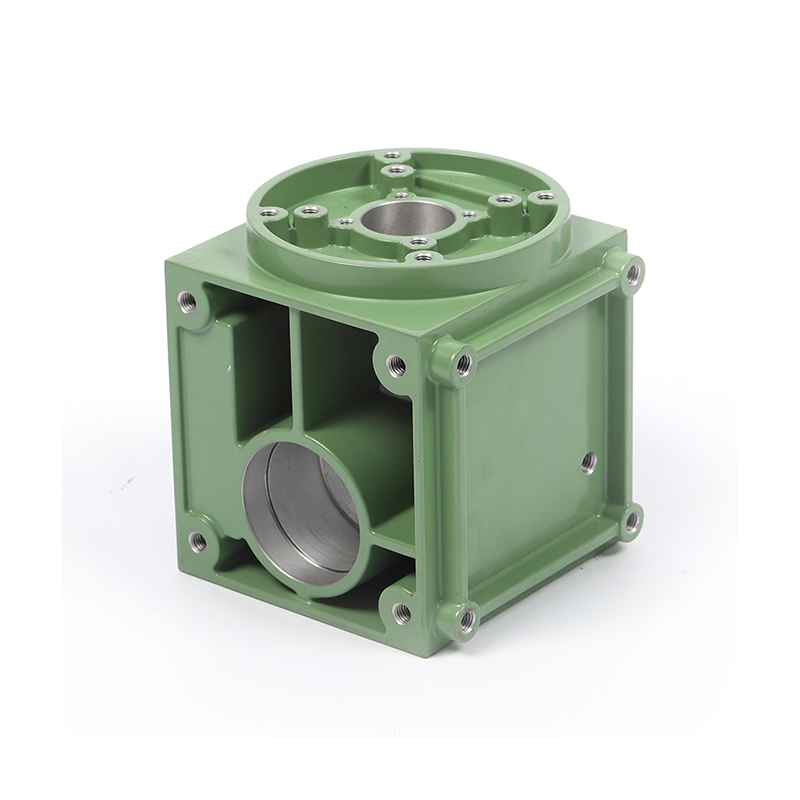 Precision Aluminum Die-Cast Motor Housings for Diverse ApplicationsThese motor housings combine strength with weight reduction, supporting automotive and industrial needs. Their precise thin-wall design and alloy options suit demanding motor applications.View Product →
Zinc alloys, meanwhile, are excellent for parts with fine detail and thin sections. If you need precise geometry and a decorative finish, zinc die casting is often the most practical route.
Advantages and Limitations of Die Casting
Die casting is chosen for many components because it offers an outstanding combination of speed, precision, and economy at high volumes. However, it also has boundaries that engineers should understand before deciding on a manufacturing route.
Key Advantages
- High production rates with short cycle times, especially for small and medium parts.
- Excellent dimensional consistency between castings, reducing need for post-machining.
- Complex geometries, thin walls, and fine detail are achievable.
- Smooth or textured surfaces can be produced directly from the die.
- Minimal material waste because gates and flash can be recycled.
- Strength and mechanical properties are improved by the fine-grained skin formed during rapid cooling.
Limitations
- High initial tooling cost for steel dies makes smaller production runs less economical.
- Limited to non-ferrous alloys in most applications.
- Part size and weight are constrained by the machine shot capacity.
- Porosity can form in thick sections if gas is trapped, requiring careful design and process control.
Where Die Casting Is Used Today
Die casting is everywhere in modern industry. The automotive sector uses aluminum die castings for powertrain components, transmission cases, and motor housings. Industrial manufacturers rely on aluminum pump housings and hydraulic valve bodies that withstand repetitive pressure cycles. In building and construction, zinc die castings appear in handles, hinges, locks, and other hardware where dimensional accuracy and surface aesthetics matter. Even rail and transit equipment benefits from die cast components that combine low weight with durability.
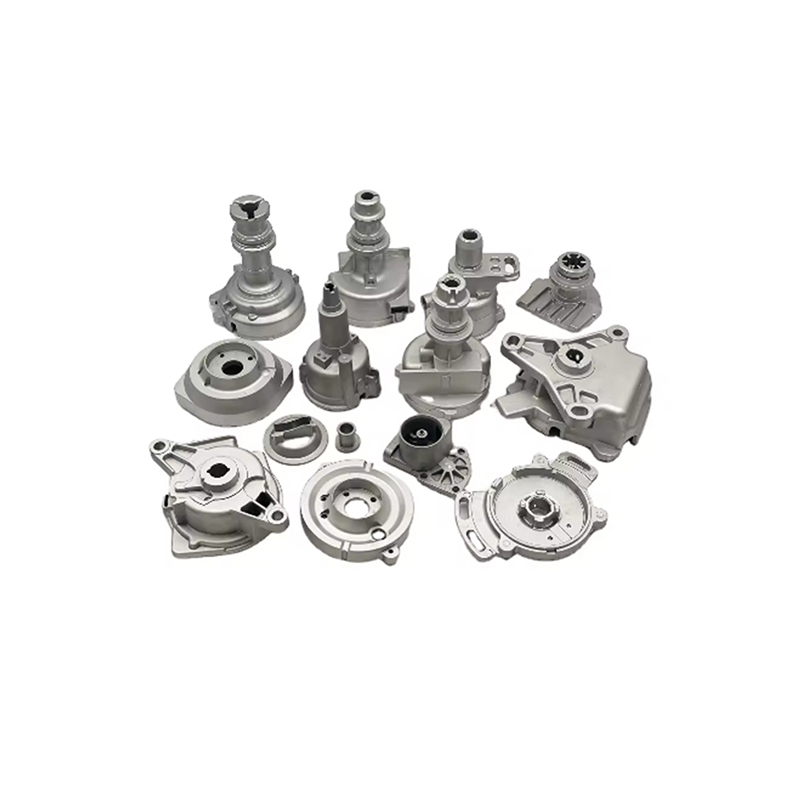 Durable Aluminum Die-Cast Pump Housings and Hydraulic Valve BodiesEngineered for high-pressure fluid systems, these components withstand repetitive cycles and maintain accuracy. Their complex channels and robust construction support industrial thermal management solutions.View Product →
Because die casting can produce parts with complex internal channels and mounting bosses, it is often the backbone of electrical and electronic thermal management solutions as well. Heat sinks and small housings for motors, sensors, and power electronics are common examples.
Die Casting Services at Ningbo Chengen Machinery
Our role as a manufacturer is to turn die casting definition into practical reality. For more than a decade, we have produced aluminum and zinc die castings for customers in the automotive, industrial, construction, and public transit sectors. What makes us different is our ability to combine die casting with CNC machining, forging, stamping, and laser cutting under one roof. This allows us to simplify the supply chain for complex projects and deliver consistent quality from a single source.
From the first design review to final inspection, our factory in Ningbo supports customers with an experienced engineering team. We encourage you to contact us with your drawings, or visit our factory page to see the production capabilities behind our parts.
Frequently Asked Questions About Die Casting
Is die casting expensive?
Die casting requires a hardened steel die, so the upfront tooling investment is higher than sand casting or low-volume methods. That cost is quickly spread across thousands of parts, making the process very economical for high-volume production. If your part requires tight tolerances and does not need many secondary operations, die casting is usually the most cost-effective option.
What is the difference between die casting and injection molding?
Both processes inject material into a reusable mold, but die casting uses molten metal alloys and injection molding uses polymers. A die casting machine is built to handle high temperatures and high pressure, and the resulting parts are metallic. Injection molding is reserved for plastic components, which have different thermal and mechanical properties.
Can die cast parts be machined after casting?
Yes. Most castings require some degree of secondary machining, such as drilling holes or machining mating surfaces. Combining die casting with CNC machining is an efficient way to ensure both high productivity and final dimensional accuracy, which is exactly the approach we take for many projects.
In short, die casting is a fast, precise manufacturing process for producing metal components in large quantities. If you are looking for a manufacturing partner who understands both the definition and the practical details, the team at Chengen is ready to support your project.