English
 Español
 русский
Content
Lost wax casting parts are metal components produced through investment casting, one of the oldest yet most reliable manufacturing processes for complex geometry. The process takes its name from the wax pattern that is melted away after the ceramic shell is formed, leaving a cavity that is then filled with molten metal. For engineers and procurement teams, lost wax casting is often the preferred option when a part requires tight tolerances, smooth surfaces, and materials that resist wear or corrosion.
Ningbo Chengen Machinery has spent more than a decade helping international customers turn drawings into finished components. We operate an integrated facility where precision casting, heat treatment, and CNC machining are managed under one roof. This guide explains how lost wax casting parts are made, why they are used in demanding applications, and what to look for when selecting a casting partner.
What Are Lost Wax Casting Parts?
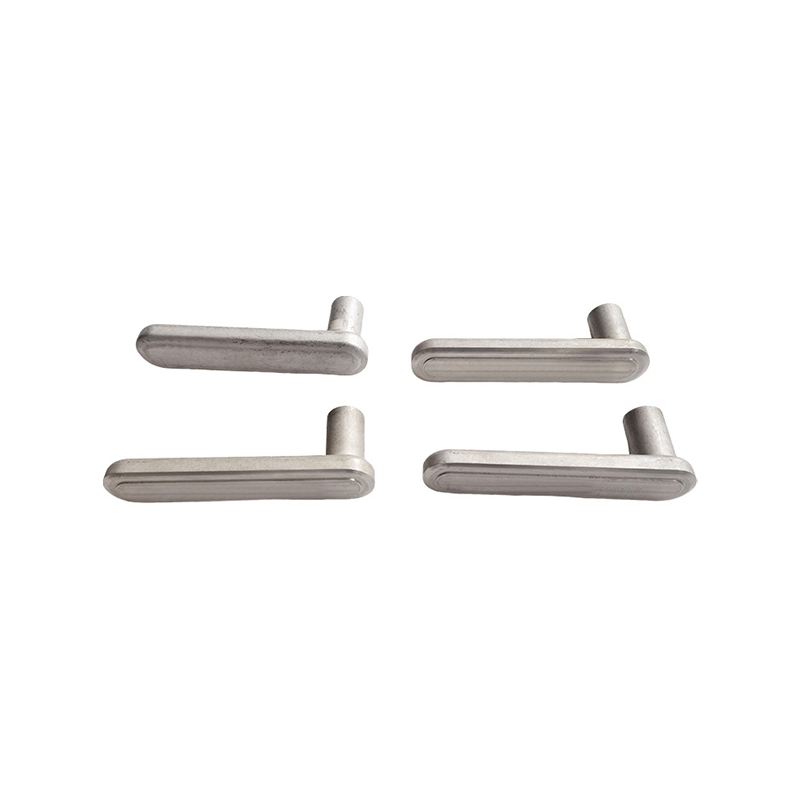
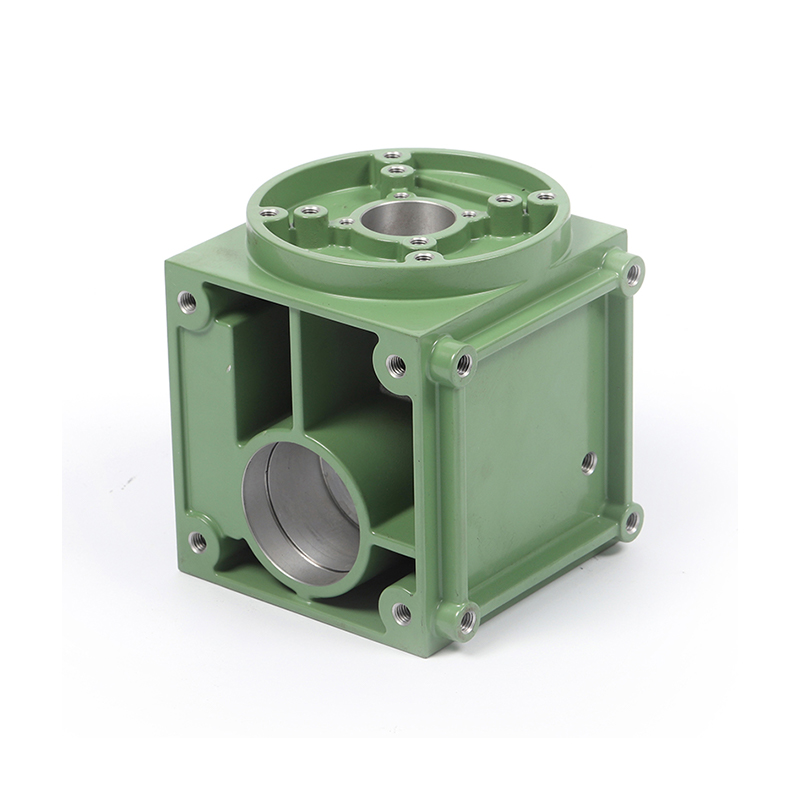
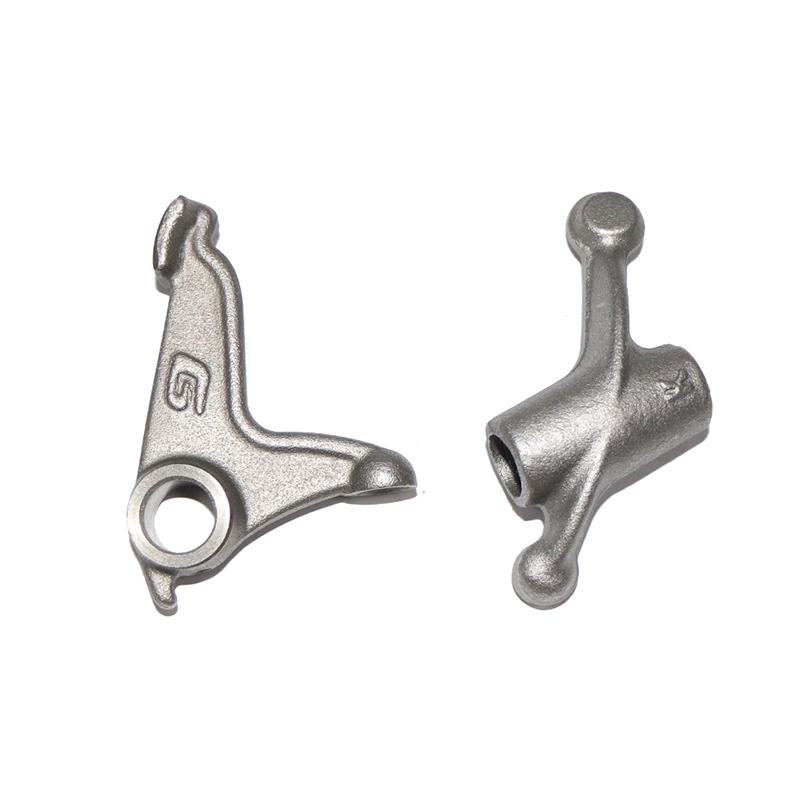
The term lost wax casting covers a family of investment casting methods that use a consumable wax pattern. In industrial production, this method is used to make parts that would be difficult to produce by other casting routes or by machining alone. Lost wax casting parts include impellers, valve bodies, gear blanks, brackets, lock components, rail fittings, marine hardware, and many other functional pieces.
What makes lost wax casting especially useful is its ability to reproduce complex three-dimensional details. Rather than splitting a mold to remove an undercut, the ceramic shell is broken away after solidification. This gives designers freedom that is hard to achieve with permanent molds. As a result, lost wax casting parts often combine a near-net-shape form with a significant reduction in machining time and material waste.
How Lost Wax Casting Parts Are Produced
Regardless of the final material, the production sequence follows the same core steps. The quality of each stage directly affects the final part, which is why a controlled and experienced production team matters.
- Wax pattern injection: A wax or polymer pattern is molded in a metal injection die. Pattern dimensions allow for solidification shrinkage and later shell expansion.
- Tree assembly: The wax patterns are welded to a wax runner system, creating a tree structure that supports multiple parts per shell.
- Ceramic shell building: The tree is dipped repeatedly into ceramic slurry and coated with stucco sand until the shell is strong enough to hold its shape.
- Dewaxing: The shell is placed in an autoclave or flash furnace. The wax melts and runs out, leaving an empty mold cavity.
- Preheating and pouring: The shell is preheated to prevent thermal shock, and molten metal is poured into the cavity under controlled temperature conditions.
- Shell removal and cutting: Once cooled, the ceramic shell is removed mechanically or by water blasting. Individual parts are cut from the runner.
- Finishing and inspection: Feeders are ground away, and parts move to heat treatment, shot blasting, CNC machining, and final dimensional checks.
Key Benefits of Lost Wax Casting Parts
Why do so many industries choose this manufacturing route? Based on our daily production experience, the most important advantages are clear.
- Design freedom: Intricate undercuts, cored holes, and thin walls can be cast rather than machined.
- Material efficiency: Near-net shape reduces scrap compared to machining from solid bars.
- Dimensional accuracy: Parts can be produced to tighter tolerances than most other casting methods.
- Excellent surface finish: Less post-processing is needed for many functional surfaces.
- Material versatility: A wide range of corrosion-resistant and high-strength alloys can be cast.
- Scalability: Once tooling is made, quantities can move from dozens to thousands with consistent quality.
Applications and Material Selection
Lost wax casting parts appear in sectors where reliability and precision are not optional. The right material depends on the load, environment, and required mechanical properties. The table below summarizes typical applications.
| Application | Common Materials | Why Lost Wax Casting? |
|---|---|---|
| Automotive | High-strength stainless steel, alloy steel | Near-net shapes, strength, repeatability |
| Rail transit | Stainless steel | Safety, durability, consistent quality |
| Marine hardware | Stainless steel | Salt-water resistance, complex profiles |
| Agricultural machinery | Alloy steel | Wear resistance, intricate shapes |
| Construction machinery | Alloy steel | Impact and fatigue strength under heavy loads |
| Architectural hardware | Stainless steel | Fine detail, visual quality, strength |
Depending on the industry, part design, and performance requirements, we select the right alloy and casting route. Three examples show how lost wax casting parts are optimized for demanding environments.
Automotive
High-strength stainless steel is frequently used for small structural and functional components in vehicle systems. Lost wax casting allows these parts to be made near net shape, reducing machining time while preserving a strong grain structure. Our production experience includes precision-cast stainless steel automotive parts that must meet strict material and tolerance requirements.
 High-Strength Stainless Steel Precision Cast Automotive Parts for Heavy-Duty VehiclesThese investment-cast components offer high strength, corrosion resistance, and lighter weight, making them suitable for chassis parts, connectors, and brackets in demanding commercial vehicle applications.View Product →
Rail Transit
Interior and structural components for public transportation require a combination of strength, safety, and visual quality. Lost wax casting parts are a good fit for door mechanisms, seat brackets, and interior fittings where repeatability matters. The stainless steel rail transit parts we produce are made with dimensional consistency and long-term service life in mind.
 Stainless Steel Precision Cast Rail Transit Parts for Subway and Bus InteriorsThis product line covers handrails and interior fittings with proven use in urban transit projects. Cast 304 stainless steel provides durability, safety, and consistent dimensions for public transport environments.View Product →
Marine and Offshore Hardware
Salt water is a tough test for any metal part. Stainless steel lost wax casting parts are widely used in deck hardware, rigging components, and other marine fittings where corrosion resistance and complex geometry go together. Casting these parts rather than machining them from solid material reduces waste and improves cost efficiency for many designs.
 Stainless Steel Precision Cast Marine Hardware Accessories for Corrosive EnvironmentsDesigned for ships and offshore facilities, these 316L or duplex stainless steel parts include watertight door handles and valve bodies, offering high strength and corrosion resistance for long service life.View Product →
Tolerances and Quality Considerations
Lost wax casting parts provide near-net shape, but every part still needs clear specifications. In our engineering reviews, we look at several key factors: tolerances, heat treatment, surface requirements, and inspection methods. Common tolerance for small investment cast parts can be in the range of ±0.005 in/in, depending on geometry and alloy. That said, final dimensional accuracy depends on tooling design, wax quality, shell material, and control of the pouring process.
For critical dimensions, CNC machining after casting is often the safest route. The combination of investment casting and machining gives customers the best of both processes: the design freedom of casting and the precision of machining. We recommend providing a full drawing or 3D model when requesting a quote, along with any requirement for material grade and mechanical properties. This lets our technical team evaluate whether lost wax casting is the optimal method or whether a hybrid route should be used.
How to Choose a Reliable Casting Supplier
Selecting the right manufacturing partner for lost wax casting parts is about more than receiving the lowest quote. A supplier that controls the entire process can save you time, cost, and quality risk. Consider these points carefully.
- Process capability: Does the factory control wax injection, shell building, melting, and heat treatment in-house?
- Machining integration: Is there access to CNC and other finishing operations under the same roof?
- Quality system: Does the supplier follow ISO-compliant practices and keep clear inspection records?
- Experience: Has the team already cast parts in your industry with the alloy and tolerances you need?
- Communication: A responsive engineering team can prevent small issues from becoming project delays.
Chengen Machinery combines precision casting with machining and quality management in a single facility. We start by reviewing your drawing, then suggest the most suitable material and process route. When you are ready, you can request a quote or learn more about our manufacturing base.
Partner with Chengen for Your Next Project
Lost wax casting parts deliver an ideal balance of cost, strength, and geometry. The success of your project depends on the foundry behind the parts: its experience, equipment, and process discipline. Chengen’s team has served global customers with cast and machined components for more than a decade. We invite you to share your drawing and discover how our in-house process can make your next launch smoother.