Applications of Custom-Shaped CNC Parts in Fastener Systems Custom

Home / PRODUCTS / Cnc Machining Parts / Irregular Machining Parts / Applications of Custom-Shaped CNC Parts in Fastener Systems
Applications of Custom-Shaped CNC Parts in Fastener Systems

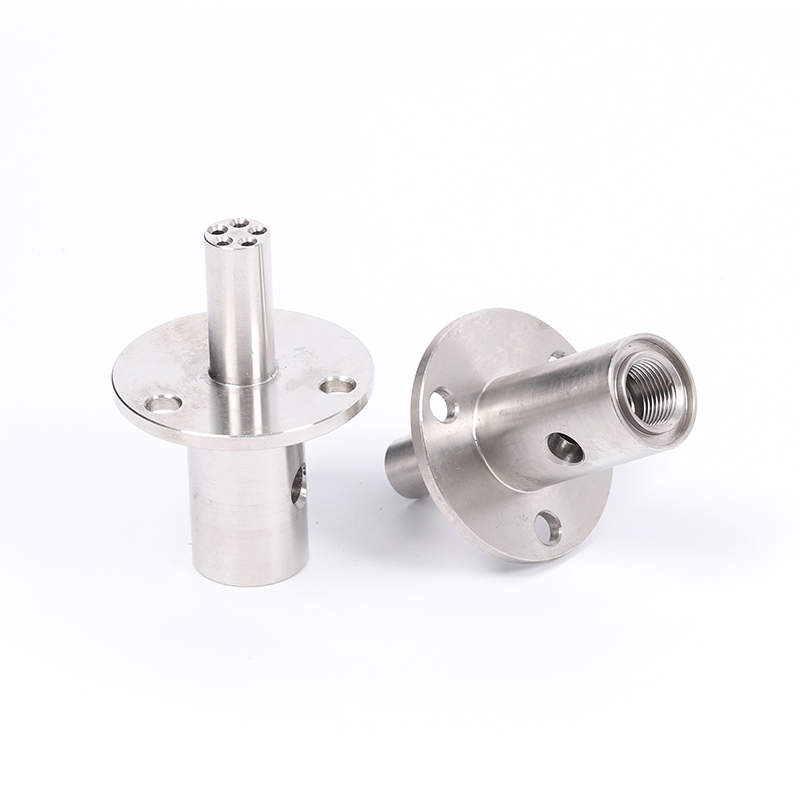
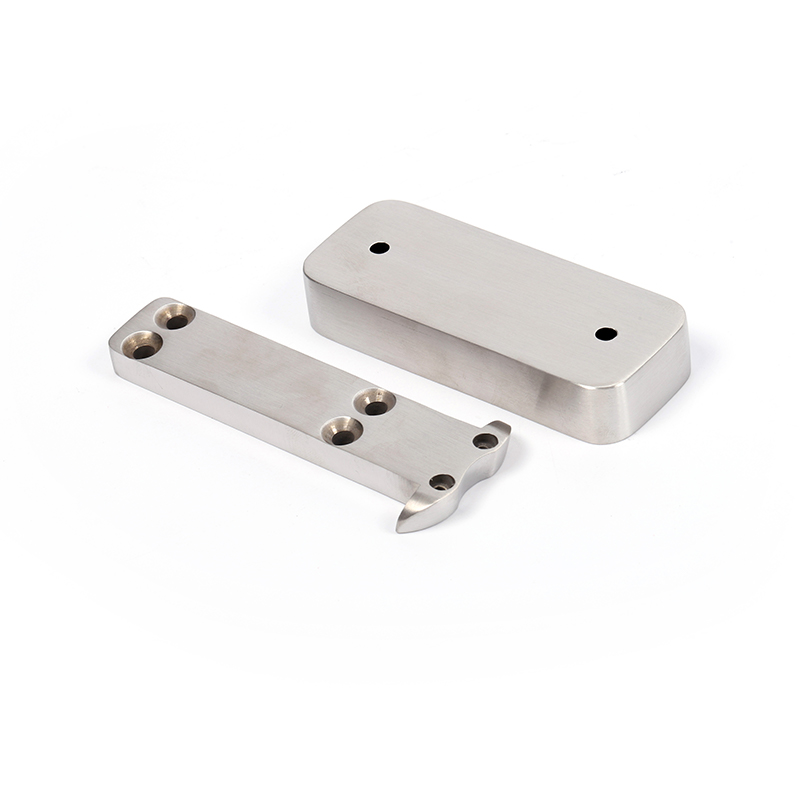
Applications of Custom-Shaped CNC Parts in Fastener Systems

Product Feature

Application Scenarios

Aerospace
- Typical Products: Flight-critical fasteners, titanium alloy screws, high-temperature threaded inserts
- Key Requirements: Material traceability, 100% non-destructive testing, fatigue life ≥ 10⁷ cycles
- CNC Value: Forming of difficult-to-machine materials + Assurance of precision threads

Automotive Manufacturing
- Typical Products: Engine bolts, transmission studs, chassis connectors
- Key Requirements: Batch consistency, torque stability, fatigue resistance
- CNC Value: Precision of ±0.003mm achieved for connection screws in new energy vehicle battery packs

Medical Devices
- Typical Products: Surgical screws, biocompatible threaded implants
- Key Requirements: Biocompatibility, burr-free finish, traceability
- CNC Value: Layered cutting via macro programming to address rigidity issues in slender parts

Electronics & Electrical Appliances
- Typical Products: Micro-threaded fasteners, conductive screws
- Key Requirements: Micro-scale features, clean surface finish, non-magnetic properties
- CNC Value: Swiss-type automatic lathe processing for precision screws with diameters under 1mm

Industrial Equipment
- Typical Products: Heavy-duty bolts, wear-resistant threaded components, maintenance fasteners
- Key Requirements: High load-bearing capacity, wear resistance
- CNC Value: Thread rolling process to enhance fatigue strength

Defense & Marine
- Typical Products: Weapon system fasteners, corrosion-resistant bolts for ships
- Key Requirements: Corrosion resistance, high reliability, specialized coatings
- CNC Value: Duplex stainless steel processing + Precision thread machining

Contact Us
  • Description

    Fasteners: The "Cornerstone" of Industrial Manufacturing and the Touchstone of Precision Machining

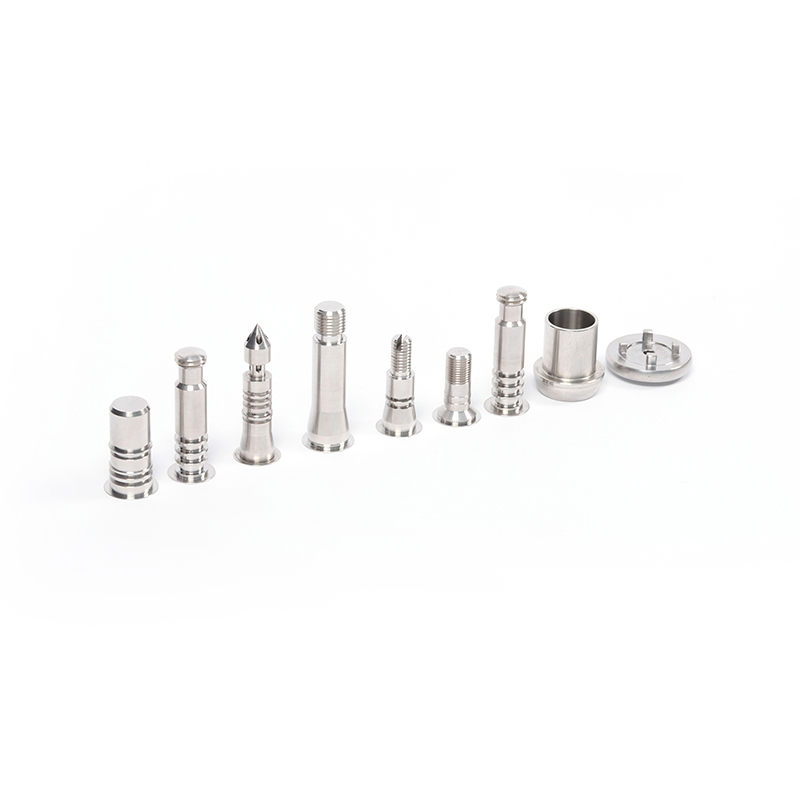
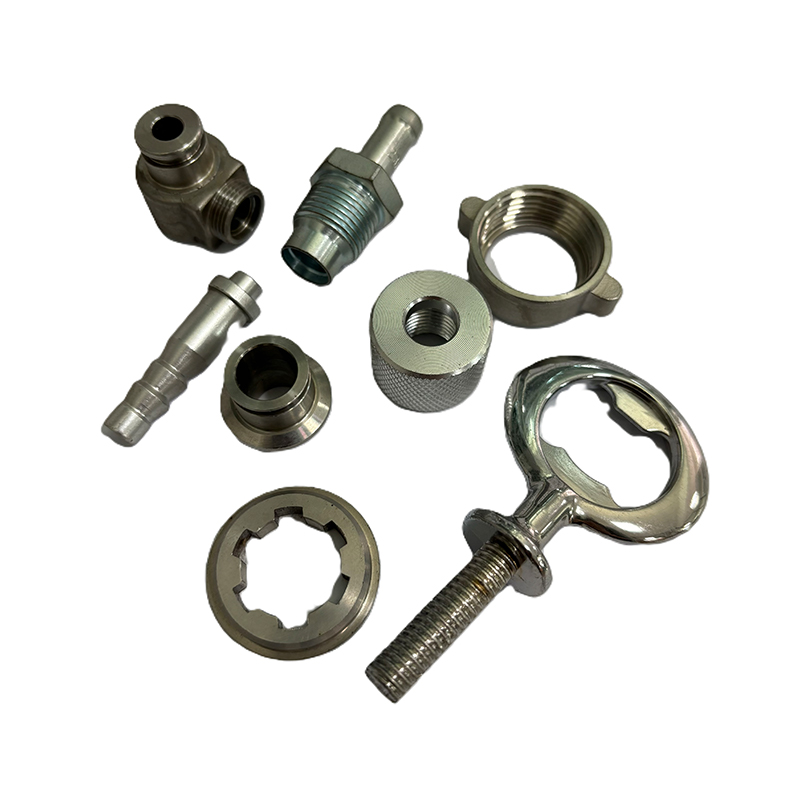
    Fasteners serve as the "joints" and "links" of mechanical equipment; from micron-scale medical implants to heavy-duty bolts capable of bearing loads of thousands of tons, every single thread and mating surface directly determines the reliability of the connection and the safe service life of the equipment. As modern industry evolves toward higher performance, lightweight design, and greater integration, traditional processes—such as cold heading and stamping—are no longer sufficient to meet the demands of increasingly complex geometric features and stringent tolerance requirements. Specialized CNC machining technology, with its ultra-high precision, capacity for shaping complex geometries, and broad material adaptability, is now redefining the boundaries of fastener manufacturing.

  • Parameters

    Core strengths

    Core Requirements for Fasteners in the Context of Complex-Shaped CNC Machining

    Specific Standards for Fasteners

    Requirement Dimension Specific Metrics Why CNC Machining is Required
    Thread Precision Pitch diameter tolerance ±0.005mm; cumulative pitch error ≤0.003mm CNC closed-loop feedback systems correct tool paths in real-time, achieving micron-level precision control.
    Complex Geometry Irregular head shapes, multi-segment threads, side holes, keyways, and positioning features Multi-axis simultaneous machining allows for the integrated processing of "threads + auxiliary structures" in a single setup. 
    Surface Quality Ra ≤ 0.2–0.8μm; free of burrs and micro-cracks Precision turning combined with thread rolling processes achieves mirror-finish surfaces, thereby reducing friction and wear.
    Material Compatibility Titanium alloys, superalloys, and difficult-to-machine stainless steels Parametric adjustment of cutting strategies, utilizing specialized tooling and cooling solutions.
    Mechanical Properties Fatigue life ≥ 10⁷ cycles; tensile strength ≥ 1200 MPa Thread rolling processes enhance material density and fatigue strength, offering superior performance compared to cut threads.

    Why Use CNC Machining for Fasteners?

    Traditional fastener manufacturing relies primarily on cold heading and stamping. While these methods offer the advantages of high efficiency and low cost, they fall short when confronted with four major challenges: **complex geometries, small-batch production, specialized materials, and ultra-high precision requirements.** The value of CNC machining lies in the following areas:

    - Overcoming Structural Limitations: It enables the production of complex fasteners—featuring elements such as positioning holes, uniquely shaped heads, and multi-segment threads—that are difficult or impossible to achieve using traditional manufacturing processes.
    - Resolving Material Challenges: Fasteners made from difficult-to-machine materials—such as titanium alloys and superalloys—can only be successfully produced through CNC machining.
    - Improving Yield Rates: CNC machining ensures batch-to-batch consistency exceeding 99.5%, thereby boosting assembly pass rates from 92% to 99.8%.
    - Shortening Lead Times: Flexible production setups allow for product changeovers in just 10–15 minutes, enabling efficient handling of orders involving high-mix, low-volume production.

    Core CNC Technology for Fastener Manufacturing

    Swiss-Type Machining

    For precision fasteners with a high length-to-diameter ratio, Swiss-type sliding headstock machines are the ideal choice:

    - Guide Bushing Support: The cutting point is positioned just millimeters away from the guide bushing support, effectively eliminating deflection issues in slender workpieces.
    - Precision Capabilities: Achieves dimensional tolerance control of ±0.005 mm in both diameter and length.
    - Multi-Tasking: Completes multiple operations—including turning, milling, drilling, tapping, and knurling—in a single clamping setup.
    - Applicable Products: Micro-screws, slender pins and shafts, and precision threaded components.

    Comparison of Thread Machining Technologies

    Process Method Principle Advantages Applicable Scenarios
    Thread Turning Single-point tool forming Flexible; suitable for various pitches and diameters Small-batch production; large-diameter threads
    Thread Milling Helical interpolation with a milling cutter Suitable for both internal and external threads; excellent chip evacuation; preferred for difficult-to-machine materials Large-diameter threads; non-standard threads; difficult-to-machine materials
    Thread Rolling Cold extrusion forming Increases fatigue strength by 300%; excellent surface finish Mass production of high-strength bolts
    Tapping Cutting with a tap High efficiency; suitable for small-diameter internal threads Machining of nuts and threaded holes

    Macro Program Layered Cutting

    For slender, low-rigidity threaded components (such as medical screws), utilizing macro-program-based layered cutting allows for effective control of cutting forces:

    - The contact area between the tool and the workpiece remains essentially constant, ensuring that cutting forces do not increase as the cutting depth increases.
    - Prevents workpiece deformation and bending.
    - Compatible with mainstream CNC systems, such as FANUC and SIEMENS.

    Turn-Mill Machining

    - Complete all features—including external turning, facing, drilling, milling, and threading—in a single clamping setup.
    - Eliminates positioning errors associated with multiple clamping operations.
    - Increases machining efficiency by 40% and achieves material savings of 50%.

    Common Fastener Materials and Processing Characteristics

    Material Category Grade Examples Processing Characteristics Typical Applications
    Stainless Steel 304, 316L, 17-4PH Severe work hardening requires sharp tools + adequate cooling Medical screws, marine engineering fasteners
    Titanium Alloy TC4, Ti-6Al-4V Poor thermal conductivity; requires low-speed, high-torque cutting + specialized coated tools Aerospace fasteners, medical implants
    Alloy Steel 42CrMo, 40CrNiMoA High hardness after heat treatment; requires CBN cutting tools High-strength bolts, heavy-duty pins/shafts
    Aluminum Alloy 6061-T6, 7075-T6 High-speed cutting; capable of achieving a mirror-like finish Lightweight fasteners, electronic screws
    Brass/Bronze H62, QSn6.5-0.1 Excellent machinability; yields high surface finish Electrical connectors, wear-resistant pins/shafts
    High-Temperature Alloy Inconel 718, Hastelloy Extremely difficult to machine; requires specialized coated tools and low spindle speeds Aerospace engine fasteners
    Engineering Plastics PEEK, Nylon Requires sharp tools + cooling to prevent melting Insulating fasteners, medical devices

    Advantages of CNC Machining in Fastener Manufacturing

    1. Unrivaled Precision and Consistency

    - CNC machining enables high repeatability, ensuring that every fastener meets precise specifications.
    - Cumulative thread errors within a single batch can be controlled to within 0.003 mm, boosting the assembly pass rate from 92% to 99.8%.
    - Automated control systems virtually eliminate human error.

    2. Single-Pass Machining for Complex Structures

    - Multiple features—such as threads, side holes, keyways, and custom head shapes—can be integrated into a single fastener.
    - 5-axis simultaneous machining enables the integrated processing of miniature threads, side holes, and end-face grooves.
    - Eliminates the need for subsequent secondary processing, significantly reducing procedural waste.

    3. Enhanced Material Utilization

    - Optimized cutting paths can boost material utilization rates to over 85%.
    - When machining custom nuts made from aluminum-matrix composites, a single raw blank can yield three finished products—representing a 200% increase in material utilization.
    - Processing costs for expensive materials, such as titanium alloys, are reduced by 25%.

    4. Flexible Production and Rapid Response

    - Tooling changeovers for high-mix, low-volume orders require only 10–15 minutes.
    - No need for specialized fixtures or molds, making it ideal for R&D prototyping.
    - Comprehensive lifecycle services provided, from initial prototyping through to mass production.

    5. Exceptional Thread Integrity

    - Precise control ensures smooth thread surfaces, minimal burrs, and optimal fit.
    - Reduces the risk of friction, wear, and thread seizure during assembly.
    - Rolled threads enhance material density and fatigue strength.

  • Parameters

    Core Product Introduction

    Typical Shaped CNC-Machined Fasteners

    1. Precision Threaded Fastener Series

    High-Strength Shaped Bolts/Screws
    - Product Function: Connection and fastening in critical load-bearing areas
    - Shaped Features:
    - Special head shapes: Internal Torx, 12-point flange, non-standard countersunk heads
    - Multi-segment threads: Composite threads with varying pitches/diameters on a single shank
    - Auxiliary features: Radial positioning holes, axial oil holes, anti-loosening slots
    - Technical Requirements:
    - Thread precision: Class 6g/6H (±0.01mm); critical components can reach ±0.005mm
    - Coaxiality between head and shank: ≤0.02mm
    - Surface roughness: Ra ≤0.8μm
    - Key CNC Machining Points:
    - Multi-axis CNC turning centers perform OD turning, threading, and head forming in a single setup
    - Thread milling is suitable for large-diameter parts or difficult-to-machine materials
    - Thread rolling processes enhance fatigue strength, suitable for high-strength bolts
    - Application Fields: Aircraft engine bolts, racing connecting rod bolts, wind turbine assembly fasteners

    Micro-Precision Screws
    - Product Function: Micro-connections in electronic devices, medical instruments, and precision instrumentation
    - Shaped Features:
    - Diameters as small as <1mm; lengths of just a few millimeters
    - Heads featuring Phillips or internal hex drives; tails featuring self-tapping characteristics
    - Biocompatibility requirements (for medical applications)
    - Technical Requirements:
    - Diameter tolerance: ±0.005mm
    - Complete thread profiles, free of burrs
    - High surface cleanliness requirements
    - Key CNC Machining Points:
    - Machining on Swiss-type sliding headstock lathes; guide bushings ensure precision for parts with high length-to-diameter ratios
    - Layered turning via macro programming to control cutting forces and prevent deformation
    - Coated carbide cutting tools paired with water-based cutting fluids
    - Application Areas: Smartwatch Fasteners, Orthopedic Implant Screws, Precision Instrument Adjustment Screws

    2. Specialty Nut Series

    Polyhedral Specialty Nuts
    - Product Function: Fastening connections in space-constrained environments
    - Specialty Features:
    - Non-hexagonal profiles: Square, pentagonal, or flanged shapes
    - Integrated special threads: Trapezoidal threads, sawtooth threads, non-standard pitches
    - Integrated locking mechanisms: Nylon inserts, metal locking inserts
    - Key Technology: A specialized machining method for aluminum-matrix composite nuts allows for the production of three finished nuts from a single raw blank, boosting raw material utilization by 200%.
    - CNC Machining Highlights:
    - CNC turning centers combined with dedicated fixtures to execute core geometric features
    - Utilization of equipment with spindle orientation capabilities to machine internal trapezoidal threads
    - Profile milling, drilling, and tapping operations completed in a single clamping setup
    - Application Fields: Spacecraft mechanisms, automotive chassis systems, industrial robot joints

    Fine-Pitch Precision Nuts
    - Product Function: Precision adjustment and locking
    - Specialty Features:
    - Thin wall thickness with deep thread profiles
    - High concentricity requirements between inner and outer diameters
    - Fine-pitch threads (pitch ≤ 0.5 mm)
    - Technical Requirements:
    - Concentricity: ≤ 0.01 mm
    - Thread Accuracy: Class 5H
    - CNC Machining Highlights:
    - Combined precision turning and whirling (helical milling) processes
    - Use of dedicated fixtures to prevent deformation of thin walls
    - 100% inspection using specialized thread measurement instruments

    3. Precision Pin Series

    CNC-machined pins are indispensable precision components across numerous industries, characterized by high accuracy, exceptional consistency, and a wide range of material options.

    Pin Type Distinctive Features Key Machining Processes Typical Applications
    Dowel Pins Solid cylindrical; diameter tolerance: h6–h7 Centerless grinding + end chamfering; straightness ≤ 0.005mm/100mm Mold guide pillars, equipment positioning 
    Taper Pins Taper ratio of 1:50 or 1:30 along the length Precision turning of tapered surface + grinding; taper error ≤ 0.01° Heavy machinery positioning & joining
    U-Pins / Clevis Pins Features a head with a hole or locking mechanism Combined turning & milling ensures coaxiality between head and shank Agricultural machinery, towing devices
    Cross-Drilled Pins Radial through-holes or threaded holes Machining center drilling; hole position tolerance: ±0.02mm Aircraft landing gear, locking mechanisms

    4. Specialized Thread Inserts

    Self-Locking Thread Inserts
    - Product Function: Provides high-strength threads in soft materials (aluminum alloys, plastics).
    - Distinctive Features:
    - Outer surface features self-locking keys or knurling.
    - Eccentric design of internal and external threads facilitates the self-locking mechanism.
    - Head features a drive slot or Phillips slot.
    - Technical Requirements:
    - Internal thread tolerance: 6H.
    - Uniform knurling depth on the outer diameter.
    - Stable locking torque.
    - Key CNC Machining Considerations:
    - Machining of inner/outer diameters, threads, and knurling completed in a single operation using a Swiss-type lathe.
    - Thread milling ensures the integrity of the thread profile.
    - Automated loading and unloading to accommodate high-volume production.

    Installation Threads for Wire Thread Inserts
    - Product Function: Provides precise internal threads for the installation of wire thread inserts.
    - Distinctive Features:
    - Specific dimensions for the thread pilot hole.
    - Clearance relief is required at the thread run-out.
    - Technical Requirements:
    - Strict tolerances for the pilot hole.
    - Precise control over thread depth.
    - Key CNC Machining Considerations:
    - Thread milling is employed to prevent burring or material deformation at the thread crests.
    - Depth control maintained within ±0.1 mm.

    5. Shaped Washers and Locking Components

    Multi-Tooth Locking Washers
    - Function: Anti-loosening locking; withstands vibration loads.
    - Shaped Features:
    - Circumferentially spaced serrations or protrusions.
    - Chamfered inner and outer diameters.
    - Thin profile (0.3–2 mm).
    - Technical Requirements:
    - Uniformity of tooth profile height.
    - Flatness ≤ 0.05 mm.
    - Key CNC Machining Points:
    - Milling of tooth profiles on a machining center.
    - Vacuum chuck fixturing for thin-sheet parts.
    - Deburring.

    Shaped Locking Tabs
    - Function: Prevents nut rotation.
    - Shaped Features:
    - Includes bendable locking tabs.
    - Features multi-angle bending geometry.
    - Asymmetrical hole positioning.
    - Key CNC Machining Points:
    - Laser cutting of outer profile followed by CNC precision finishing.
    - Forming using bending dies.
    - Deburring + Surface treatment.

    Inspection Equipment
    - Thread Measuring Instrument: Measures pitch, thread angle, and pitch diameter
    - Profile Projector: Inspects thread profiles and forms
    - Roughness Tester: Verifies surface quality
    - Hardness Tester: Confirms material properties
    - Coordinate Measuring Machine (CMM): Inspects form and position tolerances

    Inspection Items
    - Thread Go/No-Go Gauge Inspection
    - Thread Pitch Diameter Measurement
    - Thread Profile Angle Inspection
    - Surface Defects (Cracks, Burrs)
    - Plating Thickness (As Required)
    - Material Composition Verification

    Quality Assurance System
    - In-Process Inspection + Comprehensive Dimensional Reporting
    - Advanced Metrology Tools to Verify Thread Pitch, Angle, Depth, and Surface Finish
    - Ensuring Customer Confidence in the Fit, Functionality, and Reliability of Every Fastener


    Our Fastener Machining Capabilities

    List of Typical Machinable Products

    Product Category Specific Products Machining Characteristics Key Requirements
    Precision Bolts/Screws Aerospace Bolts, Micro-screws, Custom-head Screws Swiss-type Lathes / Multi-axis Turning Thread Accuracy: ±0.005mm
    Custom Nuts Multi-faceted Nuts, Fine-pitch Nuts, Lock Nuts Specialized Tooling + Precision Boring Raw Material Utilization Improved by 200%
    Precision Pins Dowel Pins, Taper Pins, U-pins, Drilled Pins Centerless Grinding + Mill-Turn Machining Straightness: ≤0.005mm/100mm
    Threaded Inserts Self-locking Inserts, Wire Thread Insert Base Holes Thread Milling + Knurling Stable Locking Torque
    Custom Washers Lock Washers, Retaining Washers Laser Cutting + CNC Finishing Consistent Tooth Height
    Specialty Fasteners Titanium Alloy Parts, High-temperature Alloy Parts Specialized Processes for Difficult-to-Machine Materials Material Certification + Traceability

    Process Capabilities

    - Swiss-Type Lathe Cluster: Ideal for micro and slender fasteners; precision of ±0.005 mm.
    - Multi-Axis CNC Turning Centers: Integrated turn-mill capabilities to complete complex features in a single setup.
    - Comprehensive Threading Processes: Full coverage of turning, milling, rolling, and tapping operations.
    - Material Versatility: Compatible with stainless steel, titanium alloys, high-temperature alloys, and engineering plastics.
    - Inspection System: Equipped with thread gauges, CMMs, and surface roughness testers to provide comprehensive inspection reports.
    - Flexible Small-Batch Production: Sample orders accepted starting from a single piece; rapid changeover for batch production runs.

  • Parameters

    Application Scenarios

    Aerospace
    - Typical Products: Flight-critical fasteners, titanium alloy screws, high-temperature threaded inserts
    - Key Requirements: Material traceability, 100% non-destructive testing, fatigue life ≥ 10⁷ cycles
    - CNC Value: Forming of difficult-to-machine materials + Assurance of precision threads

    Automotive Manufacturing
    - Typical Products: Engine bolts, transmission studs, chassis connectors
    - Key Requirements: Batch consistency, torque stability, fatigue resistance
    - CNC Value: Precision of ±0.003mm achieved for connection screws in new energy vehicle battery packs

    Medical Devices
    - Typical Products: Surgical screws, biocompatible threaded implants
    - Key Requirements: Biocompatibility, burr-free finish, traceability
    - CNC Value: Layered cutting via macro programming to address rigidity issues in slender parts

    Electronics & Electrical Appliances
    - Typical Products: Micro-threaded fasteners, conductive screws
    - Key Requirements: Micro-scale features, clean surface finish, non-magnetic properties
    - CNC Value: Swiss-type automatic lathe processing for precision screws with diameters under 1mm

    Industrial Equipment
    - Typical Products: Heavy-duty bolts, wear-resistant threaded components, maintenance fasteners
    - Key Requirements: High load-bearing capacity, wear resistance
    - CNC Value: Thread rolling process to enhance fatigue strength

    Defense & Marine
    - Typical Products: Weapon system fasteners, corrosion-resistant bolts for ships
    - Key Requirements: Corrosion resistance, high reliability, specialized coatings
    - CNC Value: Duplex stainless steel processing + Precision thread machining

  • Parameters

    Technical Support and Services

    We provide precision fastener machining services to clients worldwide:

    - Sample Lead Time: 5–7 business days
    - Batch Orders: 10–20 days
    - Minimum Order Quantity (MOQ): 1 piece for samples; 500–1,000 pieces for batch orders (depending on complexity)

    To request a quote, please provide:
    1. 2D/3D Drawings (in STEP or IGS format)
    2. Material Requirements (e.g., Stainless Steel, Titanium Alloy, Alloy Steel)
    3. Thread Specifications (Metric/Imperial, Tolerance Class)
    4. Surface Finish Requirements
    5. Quantity and Delivery Schedule Requirements

  • Parameters

    Why choose us

    Fastener Machining Expertise: Proficient in various thread standards (Metric, Imperial, and specialized threads) and material properties.
    Precision Assurance: Achieves tolerances of ±0.005mm on critical threads, meeting aerospace and medical-grade requirements.
    Complex Geometry Capabilities: Features such as custom head shapes, multi-segment threads, and side holes are completed in a single fixturing setup.
    Broad Material Compatibility: Ranging from aluminum and titanium alloys to engineering plastics and high-temperature superalloys.
    Thread Rolling Process: Enhances fatigue strength, making it ideal for high-strength bolts.
    Flexible Production: Capable of handling both small-batch customization and mass production, with rapid responsiveness to order changes.

  • Parameters
ABOUT
NingBo YinZhou ChengEn Machinery CO.,Ltd.

As China Applications of Custom-Shaped CNC Parts in Fastener Systems Suppliers and Applications of Custom-Shaped CNC Parts in Fastener Systems Factory, NingBo YinZhou ChengEn Machinery CO.,Ltd. was established in 2008. It is a professional manufacturing enterprise integrating casting and machining, committed to providing customers with high-quality one-stop solutions. The company is located in Jiangshan Town, Yinzhou District, Ningbo City. It has a modern production base of 12,000 square meters, equipped with advanced production equipment and a professional technical team. It has won wide recognition in the market with its excellent manufacturing capabilities and rigorous quality control.

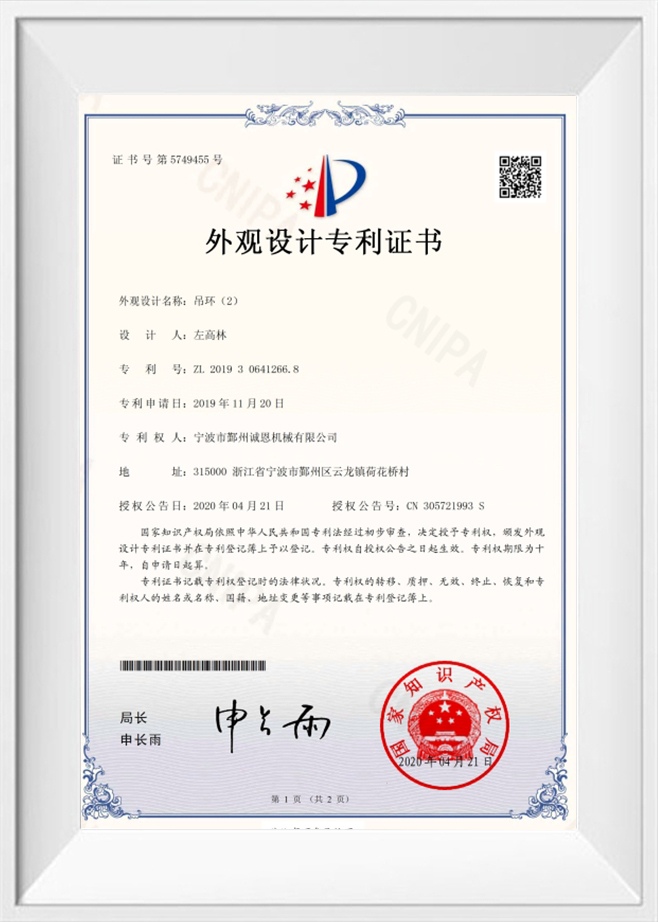
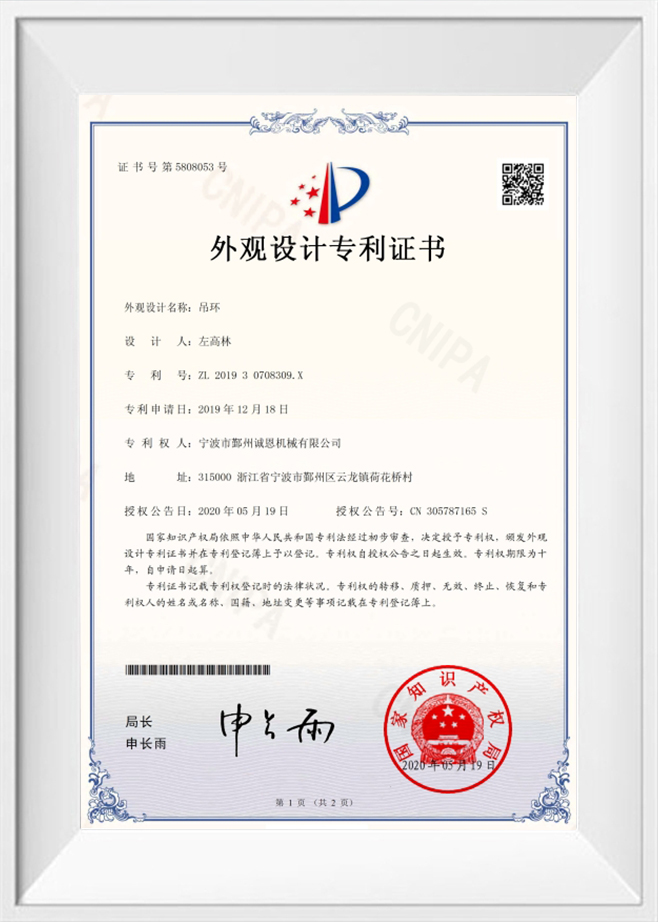
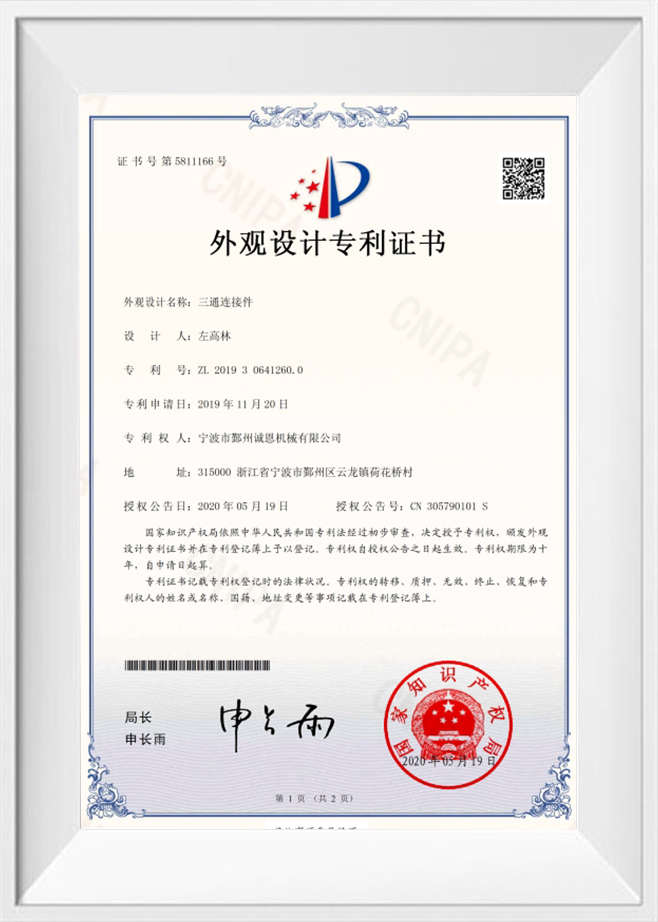
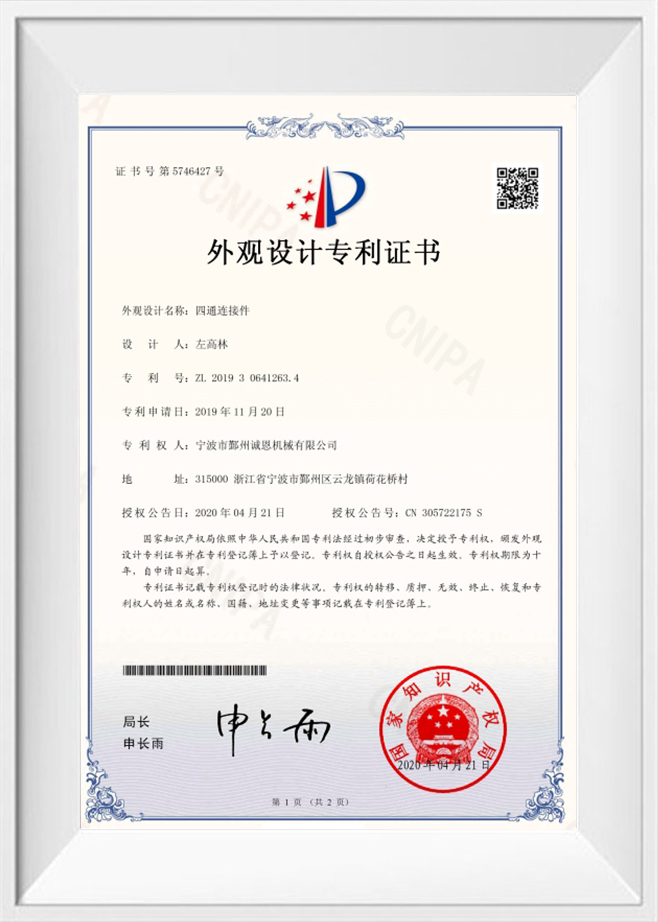
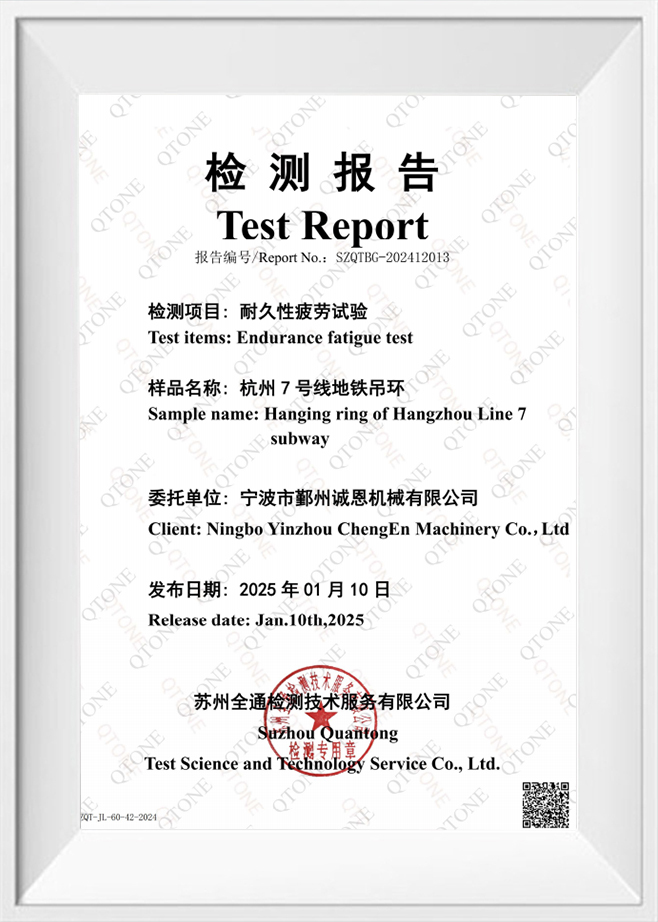
Certificate Of Honor
  • Certificate
  • Certificate
  • Certificate
  • Certificate
  • Certificate
  • Certificate
  • Certificate
NEWS
Message Feedback
  • submit