English
 Español
 русский
Content
- 1 What Is High Precision CNC Profile Machining
- 2 Why Precision Machining Is Essential for Lightweight Design
- 3 Core Elements of the High Precision CNC Profile Machining Process
- 4 Materials Commonly Used in Lightweight CNC Profile Machining
- 5 Applications Across Industries
- 6 The Connection Between Lightweight Manufacturing and Sustainability
- 7 Quality Control and Inspection Practices
- 8 The Wellness Dimension of Precision Manufacturing Environments
- 9 Best Practices for Implementing High Precision CNC Profile Machining
- 10 Common Mistakes to Avoid
- 11 Choosing the Right Manufacturing Partner
- 12 Frequently Asked Questions
- 13 Final Thoughts
Lightweight manufacturing has become one of the defining goals of modern industry, spanning aerospace, automotive, robotics, consumer electronics, and renewable energy equipment. At the center of this movement sits high precision CNC profile machining, a manufacturing process that shapes complex parts from solid material with extraordinary accuracy while removing excess mass wherever it is not structurally necessary. This guide explores what this process involves, why it matters for lightweight design, how it supports broader sustainability goals, and how the discipline and precision required on the shop floor connects, perhaps unexpectedly, to the physical and mental wellbeing of the people who operate these machines every day.
What Is High Precision CNC Profile Machining
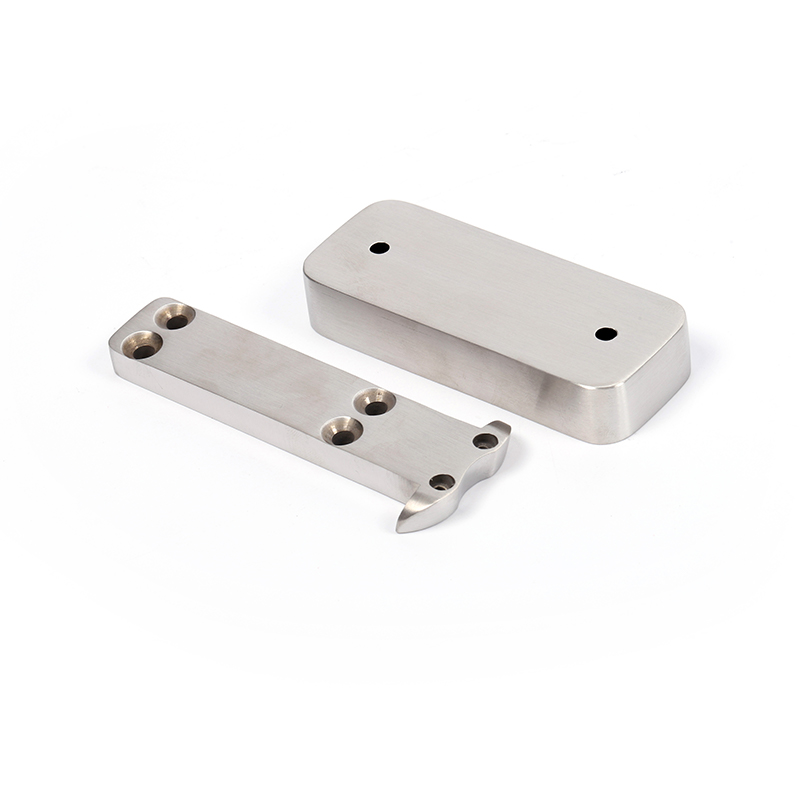
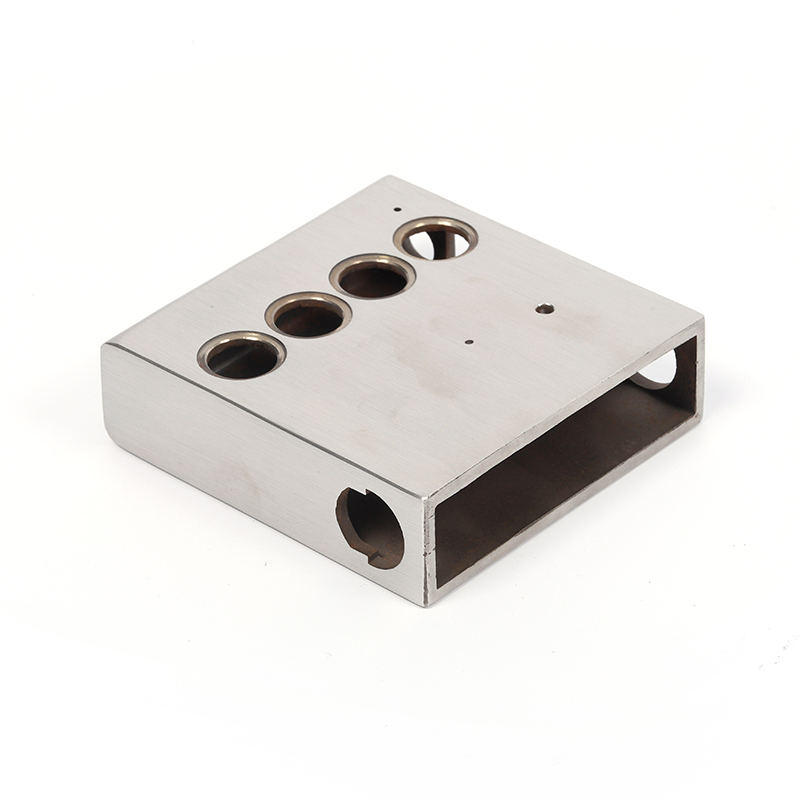
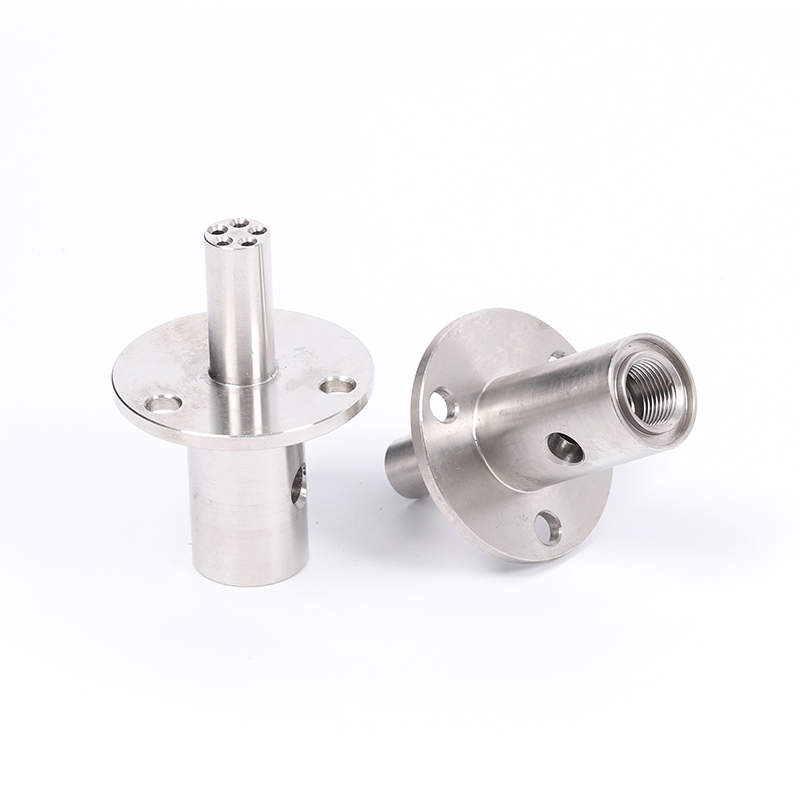
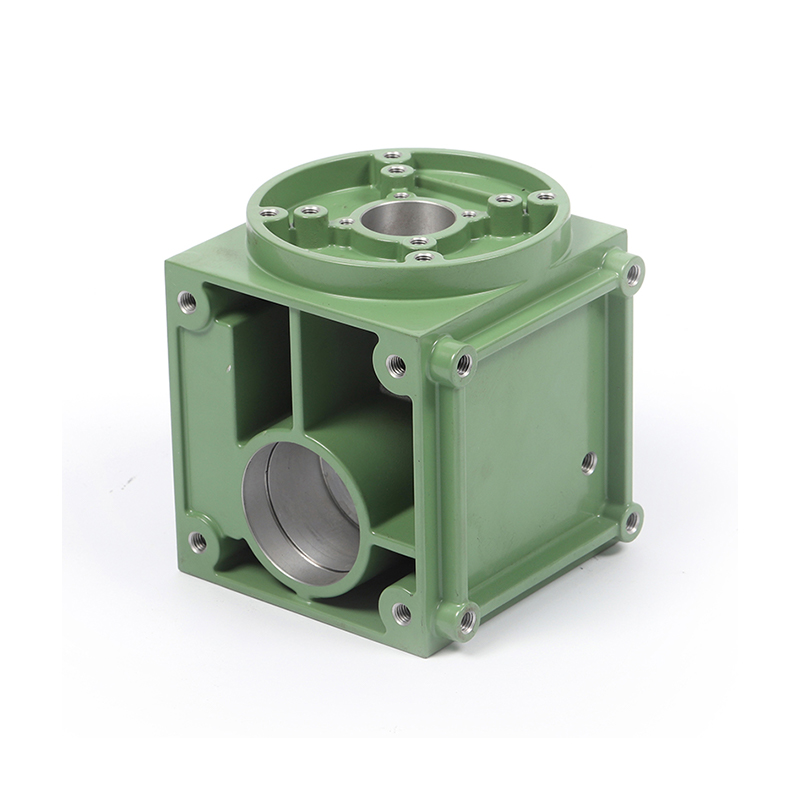
CNC profile machining refers to the process of using computer numerical control equipment to cut, mill, or shape the external and internal contours of a workpiece according to a precise digital design. Unlike simple drilling or basic milling operations, profile machining focuses specifically on producing accurate geometric shapes along the edges and surfaces of a part, often involving complex curves, angled walls, pockets, and thin wall sections that would be extremely difficult or impossible to achieve through manual machining.
The word high precision indicates that the machining process is capable of holding extremely tight tolerances, often within a few thousandths of a millimeter, ensuring that every part produced matches the digital design with minimal deviation. This level of accuracy is achieved through advanced multi axis CNC machines, high quality cutting tools, precise fixturing systems, and continuous monitoring throughout the machining cycle. For lightweight manufacturing, this precision is not simply a nice feature. It is an absolute requirement, because removing material to reduce weight while maintaining structural integrity leaves almost no room for error.
Why Precision Machining Is Essential for Lightweight Design
Lightweight manufacturing is built on a simple but demanding principle: use only as much material as is structurally necessary, and remove everything else. This philosophy appears across industries, from aircraft components that must minimize weight to improve fuel efficiency, to electric vehicle frames designed to extend battery range, to robotic arms engineered to move faster with less inertia. In every case, the margin between a part that performs safely and a part that fails under stress can be razor thin.
High precision CNC profile machining allows engineers to design parts with complex, organic shapes that follow the actual stress patterns within a component, rather than relying on simple, overbuilt geometric forms that waste material out of caution. Features such as internal ribbing, variable wall thickness, and smoothly blended contours can all be achieved with confidence because the machining process can reproduce these designs exactly as intended. Without this level of precision, manufacturers would be forced to add extra material as a safety buffer, undermining the entire purpose of lightweight design.
Key insight: Lightweight manufacturing is not simply about making parts thinner. It is about placing material with surgical precision exactly where structural demands require it, which is only possible when the machining process itself is extremely accurate and repeatable.
Core Elements of the High Precision CNC Profile Machining Process
Multi Axis CNC Machines
Modern profile machining often relies on four axis or five axis CNC machines, which allow the cutting tool to approach the workpiece from multiple angles without repositioning the part. This capability is essential for producing complex contoured surfaces common in lightweight aerospace brackets, turbine components, and structural automotive parts.
Advanced Cutting Tools
High precision machining depends heavily on the quality and condition of cutting tools. Carbide and coated tooling designed for specific materials such as aluminum, titanium, or engineered composites help maintain dimensional accuracy while reducing tool wear during extended production runs.
Digital Design Integration
Computer aided design files are translated directly into machine instructions through computer aided manufacturing software. This digital thread ensures that the exact geometry created by engineers is faithfully reproduced on the shop floor, with minimal room for interpretation error.
Real Time Monitoring and Feedback
Many high precision machines include sensors that monitor cutting forces, temperature, and tool wear in real time, automatically adjusting parameters to maintain consistent accuracy throughout long production cycles.
Fixturing and Workholding
Because lightweight parts often feature thin walls and delicate geometry, specialized fixturing is required to hold the workpiece securely without introducing distortion or vibration during cutting. Poor workholding is one of the most common causes of dimensional error in thin walled lightweight components.
Materials Commonly Used in Lightweight CNC Profile Machining
| Material | Common Application | Key Advantage |
|---|---|---|
| Aluminum alloys | Aerospace structures, automotive frames | Excellent strength to weight ratio |
| Titanium alloys | High stress aerospace and medical components | High strength with corrosion resistance |
| Magnesium alloys | Electronics housings, automotive parts | One of the lightest structural metals available |
| Carbon fiber reinforced composites | Aerospace panels, sporting equipment | Extremely high stiffness relative to weight |
| Engineering plastics | Consumer electronics, robotics housings | Lightweight with good machinability |
Each material presents its own machining challenges. Titanium, for example, generates significant heat during cutting and requires careful tool selection and coolant management. Composite materials demand specialized tooling to avoid delamination. Understanding these material specific behaviors is essential for achieving both precision and structural integrity in the final lightweight component.
Applications Across Industries
Aerospace Manufacturing
Aircraft components benefit enormously from precise material removal, since every gram saved contributes directly to fuel efficiency and payload capacity. Structural brackets, wing ribs, and engine mounts are frequently produced using high precision profile machining to achieve complex, weight optimized geometries.
Automotive and Electric Vehicle Production
As the automotive industry shifts toward electric vehicles, reducing overall vehicle weight has become critical for extending battery range. Precision machined aluminum and magnesium components are increasingly used in chassis structures, battery enclosures, and suspension components.
Robotics and Automation Equipment
Robotic arms and automated systems benefit from lightweight components that reduce inertia, allowing faster movement with less energy consumption. High precision profile machining enables the intricate internal structures often required in these applications.
Consumer Electronics
Smartphones, laptops, and wearable devices rely on precisely machined lightweight housings that balance durability with portability, often requiring extremely tight tolerances to accommodate internal components.
Renewable Energy Equipment
Wind turbine components and solar tracking systems increasingly use precision machined lightweight parts to reduce structural loads while maintaining long term durability in outdoor environments.
The Connection Between Lightweight Manufacturing and Sustainability
Reducing the weight of manufactured components has a direct relationship with environmental sustainability. Lighter vehicles and aircraft consume less fuel or battery power during operation, translating into reduced lifetime emissions. Lighter robotic and automation equipment requires less energy to operate, contributing to lower overall facility energy consumption. Even in consumer electronics, reduced material use translates into lower raw material extraction and processing demands, supporting broader resource conservation goals.
High precision CNC profile machining supports these sustainability outcomes not only through the final lightweight product, but also through the manufacturing process itself. Precise machining reduces material waste, since accurate toolpaths minimize unnecessary cutting and scrap generation. Advanced monitoring systems also help reduce tool breakage and part rejection rates, further limiting wasted material and energy throughout the production cycle.
Every gram of material removed through precise machining, rather than left in place out of caution, represents a small but meaningful contribution to a larger pattern of resource efficiency across the manufacturing sector.
Quality Control and Inspection Practices
Maintaining the extremely tight tolerances required for lightweight components demands rigorous quality control throughout the machining process. Common inspection practices include:
- Coordinate measuring machine inspection to verify dimensional accuracy against digital design specifications
- Surface roughness testing to confirm finish quality meets application requirements
- Non destructive testing methods such as ultrasonic or dye penetrant inspection for critical structural components
- In process monitoring using embedded sensors to detect deviations during the machining cycle itself
- Statistical process control to track dimensional consistency across large production batches
These practices ensure that lightweight components, which often have very little material margin for error, meet the strict performance and safety standards required in demanding applications such as aerospace and automotive manufacturing.
The Wellness Dimension of Precision Manufacturing Environments
It may not be immediately obvious how a highly technical process like CNC profile machining connects to personal wellness, yet the relationship runs deeper than it first appears. Precision manufacturing environments demand sustained focus, careful attention to detail, and the ability to remain calm under the pressure of tight tolerances and demanding production schedules. These conditions place real cognitive and physical demands on the people working within them, and how those demands are managed has a direct effect on long term health and job satisfaction.
Machinists and quality control technicians working with high precision equipment often describe a particular kind of mental engagement, sometimes referred to as a flow state, where full attention is required to monitor tight tolerances, adjust machine parameters, and catch subtle deviations before they become costly errors. While this level of focus can be intellectually rewarding, it can also become mentally exhausting if the working environment lacks the systems and reliability needed to support that concentration.
Reliable Equipment Reduces Mental Fatigue
When CNC machines and monitoring systems perform consistently and predictably, operators experience less of the low level anxiety that comes from uncertainty about whether a part will meet specification. This predictability allows mental energy to be directed toward genuine problem solving rather than constant worry about hidden equipment failures, which over the course of a long shift can meaningfully reduce accumulated fatigue.
Ergonomics and Physical Wellbeing on the Shop Floor
Precision machining environments benefit from thoughtful ergonomic design, including properly positioned control panels, adequate lighting for close visual inspection work, and seating or standing arrangements that reduce strain during long inspection or monitoring tasks. Facilities that invest in these details alongside their technical equipment tend to see reduced repetitive strain injuries and improved long term physical comfort among their workforce.
Structured Routines Support Mental Calm
The disciplined, methodical nature of precision machining work, with clearly defined tolerances, checklists, and quality control steps, can actually support a sense of order and calm for many workers. This mirrors wellness principles found in personal life, where structured routines and clear expectations often reduce anxiety compared to environments characterized by unpredictability and constant improvisation. A shop floor built around consistent, well documented precision processes tends to feel calmer and more manageable than one where standards shift constantly.
Reduced Stress From Fewer Production Errors
High precision machining, when properly maintained and monitored, produces fewer rejected parts and costly rework cycles. This reduction in production errors lowers the overall stress load on machinists, quality inspectors, and production managers alike, since fewer emergencies and schedule disruptions occur throughout a typical work week. Over time, this contributes to a calmer, more sustainable pace of work rather than a cycle of constant firefighting.
Pride and Purpose in Precision Craftsmanship
There is also a psychological dimension worth acknowledging. Many machinists take genuine pride in producing components with extremely tight tolerances, particularly when those components serve important purposes such as aerospace safety or medical device reliability. This sense of purpose and craftsmanship contributes positively to job satisfaction, which is itself a recognized component of overall occupational wellness.
Wellness in a manufacturing setting is shaped not only by breaks and safety equipment, but by whether the underlying systems and machines a person relies on all day are dependable enough to allow genuine mental ease rather than constant vigilance against hidden failure.
Best Practices for Implementing High Precision CNC Profile Machining
- Invest in multi axis CNC equipment capable of achieving the tight tolerances required for lightweight component geometries.
- Select cutting tools specifically suited to the material being machined, accounting for heat generation and wear characteristics.
- Integrate digital design files directly into manufacturing software to minimize interpretation errors between design and production.
- Implement real time monitoring systems to catch deviations early in the machining cycle, reducing scrap and rework.
- Establish rigorous quality control protocols, including coordinate measuring machine inspection for critical dimensions.
- Train machinists thoroughly on both technical operation and the ergonomic best practices needed to sustain long term physical health.
- Schedule regular equipment maintenance to prevent the kind of unpredictable failures that increase both material waste and operator stress.
Common Mistakes to Avoid
Underestimating Fixturing Requirements
Thin walled lightweight components are particularly vulnerable to distortion during machining if workholding is not carefully designed. Skimping on proper fixturing often leads to dimensional errors that undermine the entire purpose of precision machining.
Choosing the Wrong Tooling for the Material
Using generic cutting tools for specialized materials such as titanium or carbon fiber composites often results in poor surface finish, accelerated tool wear, and inconsistent tolerances.
Neglecting Real Time Monitoring
Facilities that rely solely on post production inspection, rather than real time monitoring during the machining cycle, often discover defects too late, resulting in wasted material and lost production time.
Overlooking Operator Training
Even the most advanced CNC equipment cannot compensate for inadequately trained operators. Comprehensive training reduces both technical errors and the workplace stress that comes from feeling unprepared for complex tasks.
Ignoring Long Term Maintenance Schedules
Deferred maintenance eventually leads to unpredictable equipment behavior, which increases both scrap rates and operator anxiety about machine reliability during critical production runs.
Choosing the Right Manufacturing Partner
For companies seeking to incorporate high precision CNC profile machining into their lightweight manufacturing strategy, selecting the right production partner is essential. Consider the following factors before committing to a supplier:
- Does the facility have proven experience machining your specific material, whether that is titanium, aluminum, magnesium, or advanced composites
- What tolerance capabilities can the facility consistently achieve across large production volumes
- Are real time monitoring and statistical process control systems in place to ensure consistent quality
- What quality certifications does the facility hold, particularly relevant for aerospace or medical applications
- How does the facility approach operator training, ergonomics, and equipment maintenance, since these factors directly affect long term production reliability
A thorough evaluation of these factors leads to a manufacturing partnership built on genuine reliability, rather than one based solely on cost, which ultimately supports both product quality and broader lightweight manufacturing goals.
Frequently Asked Questions
What tolerances can high precision CNC profile machining typically achieve
Many advanced CNC systems can achieve tolerances within a few thousandths of a millimeter, though exact capabilities depend on the specific machine, material, and part geometry involved.
Why is lightweight manufacturing important beyond weight reduction alone
Lightweight manufacturing often improves energy efficiency, reduces material consumption, and supports broader sustainability goals across transportation, robotics, and consumer electronics industries.
Can high precision CNC profile machining work with composite materials
Yes, though composite materials require specialized tooling and cutting parameters to avoid issues such as delamination or fiber pullout during the machining process.
How does precision machining reduce material waste
Accurate toolpaths and real time monitoring minimize unnecessary cutting and reduce the likelihood of rejected parts, both of which contribute to lower overall material waste during production.
Final Thoughts
High precision CNC profile machining represents far more than a technical manufacturing process. It is a foundational capability that makes genuine lightweight design possible across aerospace, automotive, robotics, and countless other industries pursuing greater efficiency and sustainability. Beyond its engineering value, the discipline, reliability, and structured precision required in this kind of manufacturing environment also shapes the daily experience of the people who work within it, influencing everything from mental focus and physical ergonomics to overall job satisfaction and long term wellbeing. As industries continue pushing toward lighter, more efficient products, the quiet precision of CNC profile machining will remain a critical link between ambitious design goals and the calm, capable workforce needed to bring those designs to life.