English
 Español
 русский
Content
- 1 Understanding the Die Casting Process
- 2 The Productivity Case for Aluminum Die Casting
- 3 Material Properties That Support Productivity
- 4 A Practical Workflow for Implementation
- 5 Applications Across Industries
- 6 Common Challenges and How to Address Them
- 7 Measuring the Productivity Impact
- 8 Final Thoughts
As global manufacturing shifts toward leaner operations and faster product cycles, engineering teams are re-examining how components are designed and produced. Lightweight aluminum die casting has become a focal point of this shift, giving manufacturers a repeatable, scalable way to build new productivity into every stage of production, from tooling to final assembly.
Understanding the Die Casting Process
Aluminum die casting works by forcing molten aluminum alloy into a hardened steel mold cavity under substantial pressure. The pressure ensures the metal fills even thin or intricate sections of the mold before it cools and solidifies. Once ejected, parts typically require little more than trimming of excess flash, since the process is capable of producing near-final dimensions directly from the mold.
The Productivity Case for Aluminum Die Casting
Productivity gains from die casting come from more than just speed on the shop floor. The process reshapes the entire production workflow by reducing the number of steps between raw material and finished component. Fewer secondary operations mean less handling, fewer quality checkpoints, and shorter lead times from order to delivery.
Consolidating Parts Into Fewer Components
One of the most effective productivity strategies in die casting is part consolidation. Engineers can redesign assemblies that once required multiple stamped, welded, or fastened pieces into a single cast component. This reduces assembly labor, eliminates potential failure points at joints, and simplifies inventory management.
Minimizing Downstream Machining
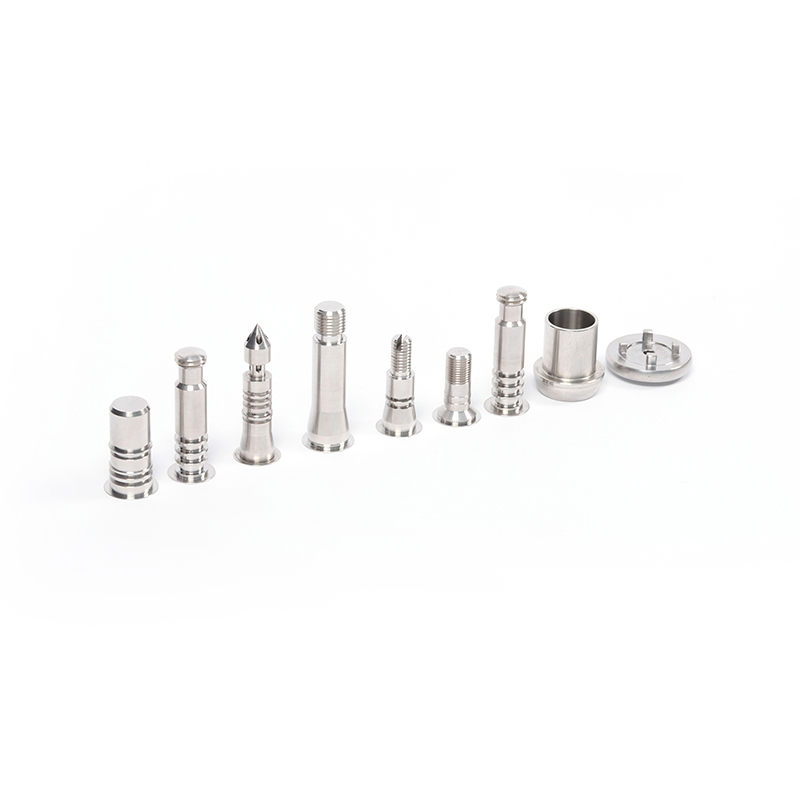
Because die casting achieves tight tolerances directly from the mold, many parts require only light finishing on critical surfaces rather than extensive machining. This shortens the overall production timeline and reduces tool wear on secondary machining equipment.
Enabling High-Volume Repeatability
Once a die is qualified, it can produce consistent parts across long production runs with minimal variation. This repeatability supports just-in-time manufacturing strategies and reduces the buffer inventory needed to compensate for quality inconsistencies.
Material Properties That Support Productivity
| Property | Impact on Productivity |
|---|---|
| Low Density | Reduces material usage and shipping weight per part |
| Good Fluidity When Molten | Allows thin-wall casting and complex geometries in one shot |
| Fast Solidification | Shortens cycle time between casting shots |
| Recyclability | Scrap can be remelted, reducing raw material costs |
| Corrosion Resistance | Reduces need for additional protective coatings in many uses |
A Practical Workflow for Implementation
- Assess current components. Identify parts made from heavier metals or multi-piece assemblies that could be redesigned as a single lightweight aluminum casting.
- Select the appropriate alloy. Match alloy properties such as strength, thermal conductivity, and corrosion resistance to the functional demands of the part.
- Design for manufacturability. Work with tooling engineers to set wall thickness, draft angles, and gating locations that support efficient, defect-free production.
- Validate the tooling. Run trial castings to confirm dimensional accuracy and surface quality before committing to full production volumes.
- Scale production. Move into high-volume manufacturing with process monitoring in place to maintain consistency across every cycle.
Practical insight: Manufacturers that involve die casting specialists early in the design phase typically see fewer costly design revisions later, since mold-friendly geometry can be planned from the start rather than retrofitted after initial tooling attempts.
Applications Across Industries
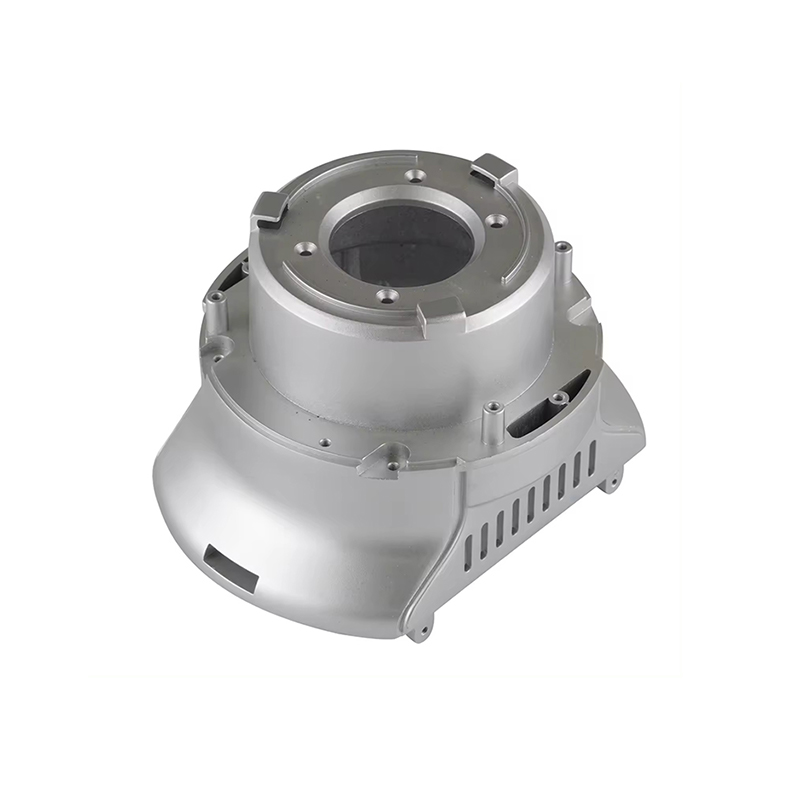
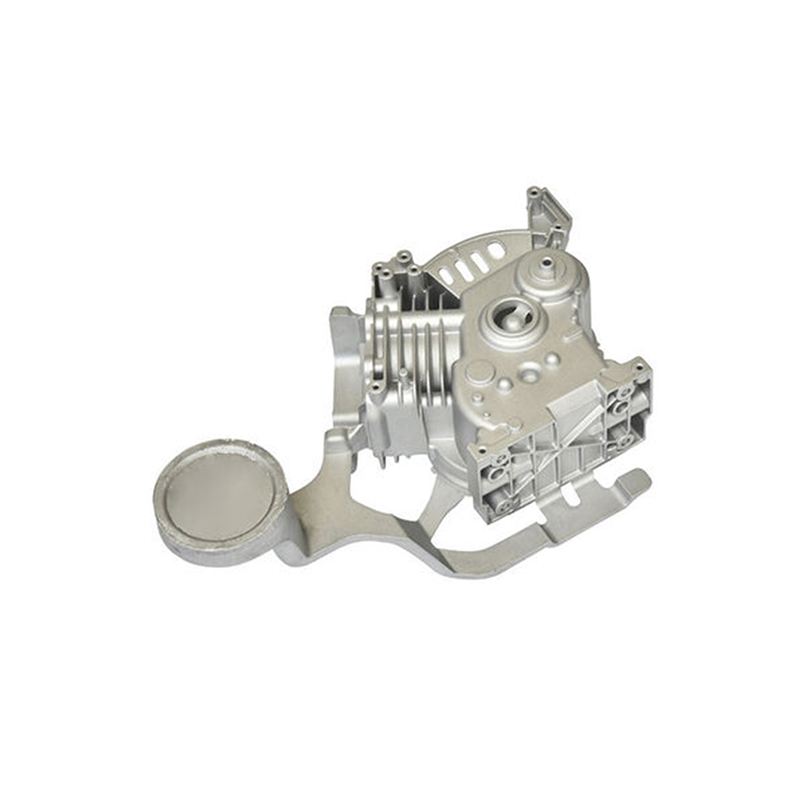
The versatility of lightweight aluminum die casting makes it applicable across a wide range of sectors. In the automotive industry, cast components such as housings, brackets, and structural supports contribute to overall vehicle weight reduction. In electronics, die cast enclosures provide both structural protection and heat dissipation. In industrial equipment, cast housings for pumps, motors, and gear systems offer durability with a lighter footprint than traditional metal fabrication methods.
Automotive and Transportation
Weight reduction in vehicles directly correlates with improved fuel efficiency or extended range for electric vehicles, making aluminum die cast components a strategic choice for structural and powertrain-related parts.
Consumer Electronics
Device housings and internal frames benefit from the combination of strength, light weight, and effective heat dissipation that aluminum die casting provides, supporting both product durability and thermal management.
Industrial and Commercial Equipment
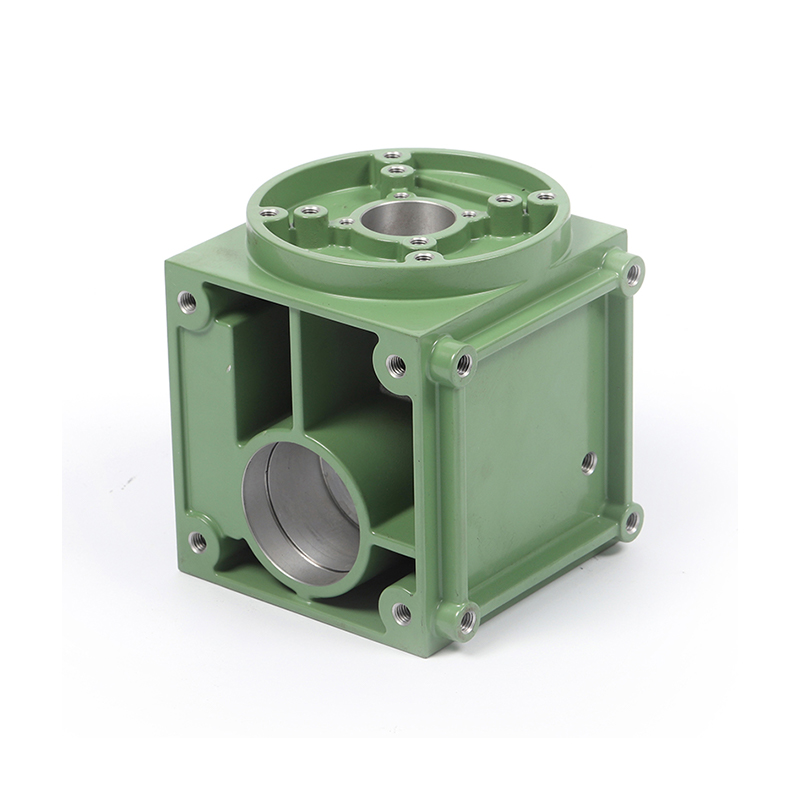
Pump housings, gearbox casings, and motor enclosures produced through die casting offer long service life while reducing the overall weight of equipment that may need to be transported or installed in the field.
Common Challenges and How to Address Them
- Porosity in castings can be minimized through proper gating design and controlled injection speed during the casting process.
- Tooling costs represent a significant upfront investment, but can be offset through part consolidation and long production run efficiencies.
- Alloy selection mistakes can lead to premature part failure, making collaboration with material engineers an important step in the design phase.
- Surface finishing needs should be identified early to avoid production delays caused by unplanned secondary processing.
Measuring the Productivity Impact
Manufacturers evaluating a shift to aluminum die casting should track metrics such as cycle time per part, scrap rate, assembly labor hours, and overall unit cost across the full production lifecycle. Comparing these figures against previous manufacturing methods provides a clear picture of the productivity gains achieved through the transition, helping justify tooling investments and guide future component design decisions.
Lightweight aluminum die casting continues to prove itself as a reliable driver of new productivity, combining speed, precision, and material efficiency into a single manufacturing process.
Final Thoughts
For manufacturers seeking to improve throughput while reducing weight and material costs, lightweight aluminum die casting offers a proven and scalable solution. By focusing on thoughtful design, appropriate alloy selection, and close collaboration with tooling specialists, companies can turn this manufacturing process into a lasting source of productivity improvement across their operations.