English
 Español
 русский
Content
When a buyer sends a drawing for a custom steel forged part, the first question is usually about price. The more useful question is whether the part should be hot forged or cold forged, because that decision changes the steel grade, the die design, the machining allowance, and the delivery schedule. Custom steel forging succeeds only when these choices are matched to the part function, the annual volume, and the mechanical targets.
A reliable supplier should tell you early whether your part can be forged at all, which route fits best, and what final dimensions it can hold after machining.
What Custom Steel Forged Parts Actually Includes
Custom forging is not one step. In a real project, it includes material selection, forging die design, heating and forming, heat treatment, CNC machining, and final inspection. A custom steel forged parts order often moves through all of these because the raw forged shape is not usually the finished part.
For example, a hot forged industrial component leaves the die with 3-6 mm of extra material on each side. A machining line then removes that material to reach bearing fits and mounting surfaces. A supplier that only owns the hammer but no machining capability has to subcontract the finish work. That splits responsibility and makes dimensional disputes harder to resolve.
The die design matters as much as the forging temperature. A custom steel forged part with a tight radius or a deep recess may need a preform die plus a finish die. This adds tooling cost but avoids material waste and internal cracks during the first stroke. When the buyer shares the expected quantity, the supplier can recommend the right die steel and die life.
An integrated shop that combines forging and machining can control the route from billet to finished part under one quality system. This reduces the time lost between processes and gives the buyer a single contact point for tolerance issues.
Hot Forging vs Cold Forging for Custom Steel Parts
Two forging routes dominate custom steel parts. Hot forging works with steel above its recrystallization temperature and delivers the widest shape freedom. Cold forging is performed at room temperature and gives tighter dimensions plus smooth surfaces. The choice has a direct effect on cost and what tolerances the part can hold.
| Factor | Hot Forging | Cold Forging |
|---|---|---|
| Working temperature | Above recrystallization | Room temperature |
| Steel range | Carbon, alloy, stainless | Low carbon and medium carbon steels |
| Shape complexity | Complex, large and small parts | Simple to moderate shapes |
| Machining allowance | 3-6 mm common | Less than 1 mm on many faces |
| Dimensional tolerance after forging | +/-0.5 mm to +/-2 mm | +/-0.05 mm to +/-0.2 mm |
| Typical applications | Automotive parts, heavy machinery, structural sections | Transmission parts, handles, fittings |
| Strength behavior | Ductile and tough | Work-hardened surface |
Hot forging is the safest route for large load-bearing parts because it gives the steel a uniform grain flow and avoids stress tears at sharp corners. A custom hot forged steel part is often specified for heavy machinery, pump housings, and automotive components. For more technical detail, this industry article explains the differences in depth.
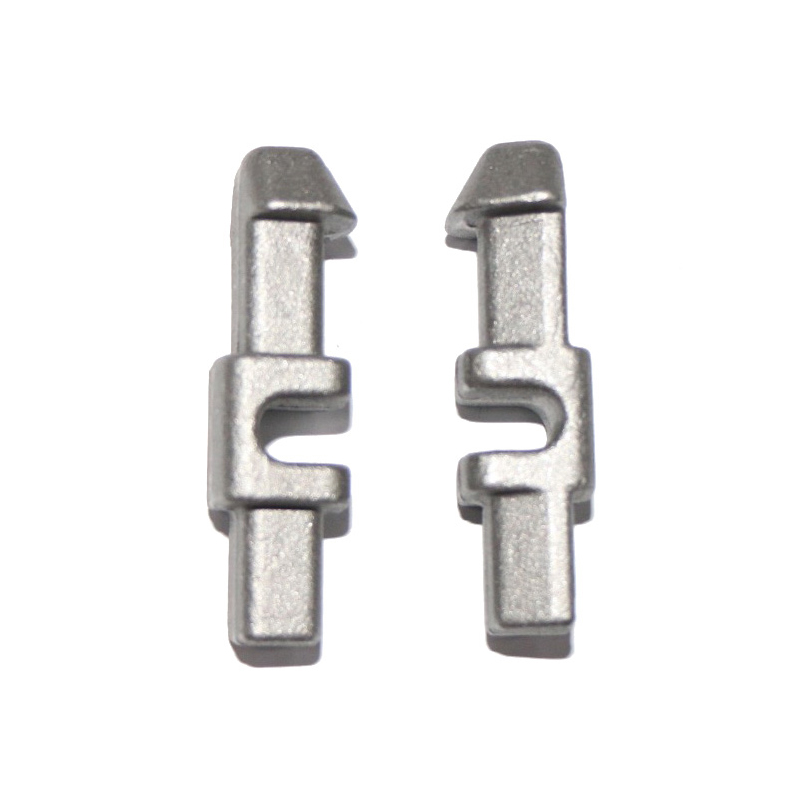 Hot Forged Steel Parts for Heavy Machinery and Construction EquipmentThis hot forging solution delivers high-strength, impact-resistant components for mining, construction, and energy machinery. It uses special alloy steels and presses up to 10,000 tons, ensuring reliable performance under harsh conditions.View Product →
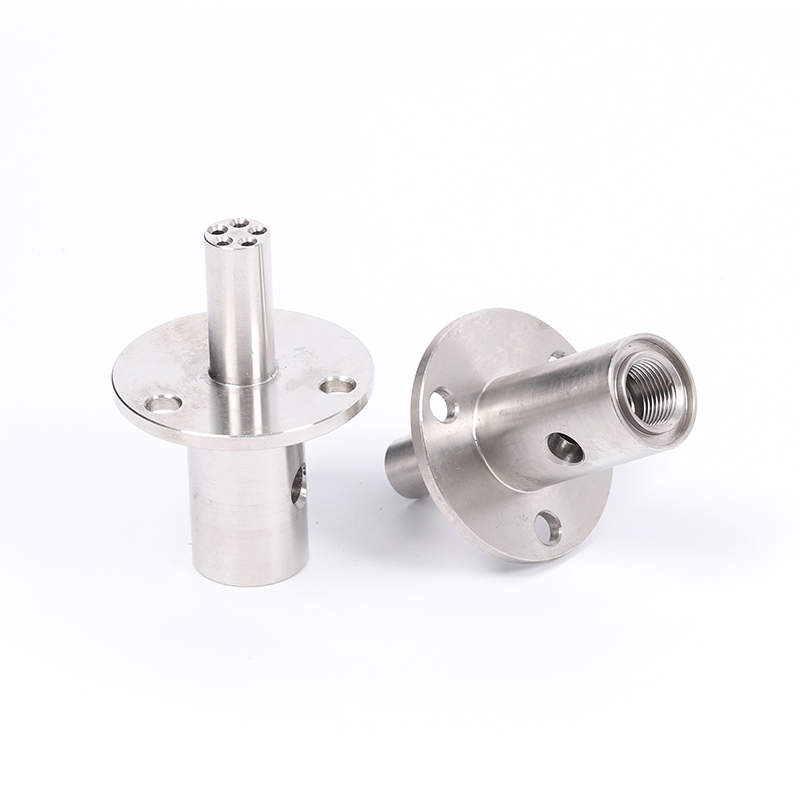
Cold forging suits smaller parts where surface finish and repeated precision matter more than shape freedom. It is common for pinion shafts, valve cartridges, lock parts, and other components that need little or no finishing on the forged surfaces. For volume production, the die material also differs. Hot forging dies handle thermal shock and need more maintenance, while cold forging dies stay sharper for longer runs of small parts. Tooling cost and expected production quantity belong in the early conversation.
 Cold Forged Precision Shafts and Hinges for High-Load ApplicationsAdvanced multi-station cold forging produces parts with continuous grain flow and tolerances up to ±0.01mm. Ideal for motor shafts, hinges, and transmission components needing superior fatigue resistance and material efficiency.View Product →
Steel Grades and the Requirements Behind Them
The steel grade drives the mechanical result. A drawing may call for a grade number, but the buyer should state the tensile strength, yield strength, and hardness range that the finished part needs. These properties are not the same before and after heat treatment, so the supplier needs to know the target.
- 1045 medium carbon steel offers strong hardness after quenching and tempering, common for shafts and general machine components.
- 4140 alloy steel provides high fatigue strength and toughness, often used for gears, pinions, and heavy duty axes.
- 316 stainless steel resists corrosion and is preferred for marine hardware, architectural fittings, and food environment components.
In addition to the grade, define the forging ratio and grain flow direction. A long shaft should show grain flow along the loading axis. A forged gear blank should have grain flowing around the tooth profile. Discussing these points during the drawing review prevents expensive trial runs later.
Heat treatment should also be part of the specification. Many custom steel forged parts are normalized, quenched, and tempered to reach the required strength. The order should state the heat treatment standard, such as a specific hardness range or a tensile test requirement. Material traceability from heat number to final shipment helps the buyer audit the steel grade and the process record.
What to Check When Evaluating a Custom Steel Forged Parts Supplier
Cost per kilogram is a weak comparison method. Forged parts are defined by tolerances and mechanical properties that change with the process. Use the following checklist when evaluating a custom steel forged parts supplier:
- Is machining done in house? If not, who controls the finished tolerance?
- Does the supplier operate heat treatment in house or through an audited subcontractor?
- What is the first article inspection process, and is a dimensional report provided?
- What tolerance can the supplier hold after machining, not just after forging?
- Can the tooling be evaluated during the pilot run with agreed modification limits?
- Does the quotation list the forging die cost separately from the piece part price?
When evaluating a supplier, ask for a tolerance summary on similar forged parts they have produced. A supplier with real examples can show what they hold consistently: a section size on a shaft, a flatness limit on a flanged face, or a concentricity range after machining. Tooling is another decision point. Clarify who owns the forging die, whether the cost appears as an upfront fee or is spread over the minimum order, and what happens if the part design changes after the first run.
Ningbo Chengen Machinery combines forging and CNC machining in one factory, with a documented inspection flow to control key dimensions on custom steel forged parts. A dedicated project manager reviews the drawing with the client and points out whether the specified tolerances are achievable with the selected forging route. More detail about the production setup and quality control is available on the factory page.
Where Custom Steel Forged Parts Deliver Practical Value
Hot forged and cold forged parts solve different industrial needs.
- Automotive powertrain and chassis parts require high fatigue resistance under repeated loading.
- Industrial equipment relies on forged shafts, housings, and valve bodies where sudden impacts or high pressure occur.
- Precision transmission parts demand close tolerances and smooth forged surfaces for quiet operation.
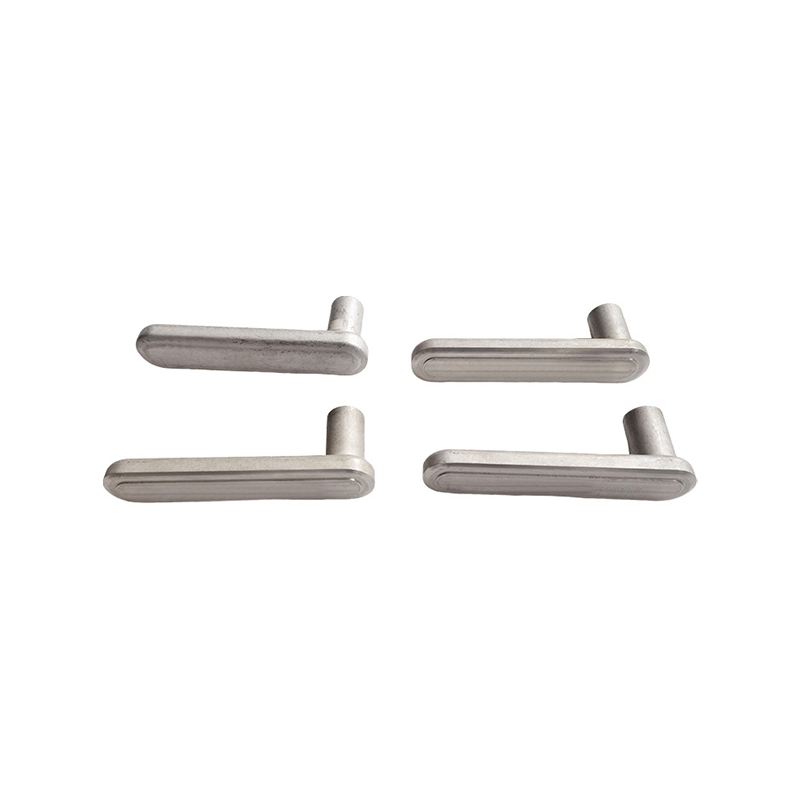
- Architectural hardware uses cold forged steel for clean edges and consistent dimensions in locks and handles.
From a buyer's perspective, the biggest risk is not the forging itself but the interface between the forging plant and the machining shop. By choosing a supplier that controls both stages, you remove the endless emails about dimension ownership and material traceability. Each application benefits from custom engineering because the part shape, steel grade, and heat treatment are tuned to the real load case instead of relying on a stock catalog item.
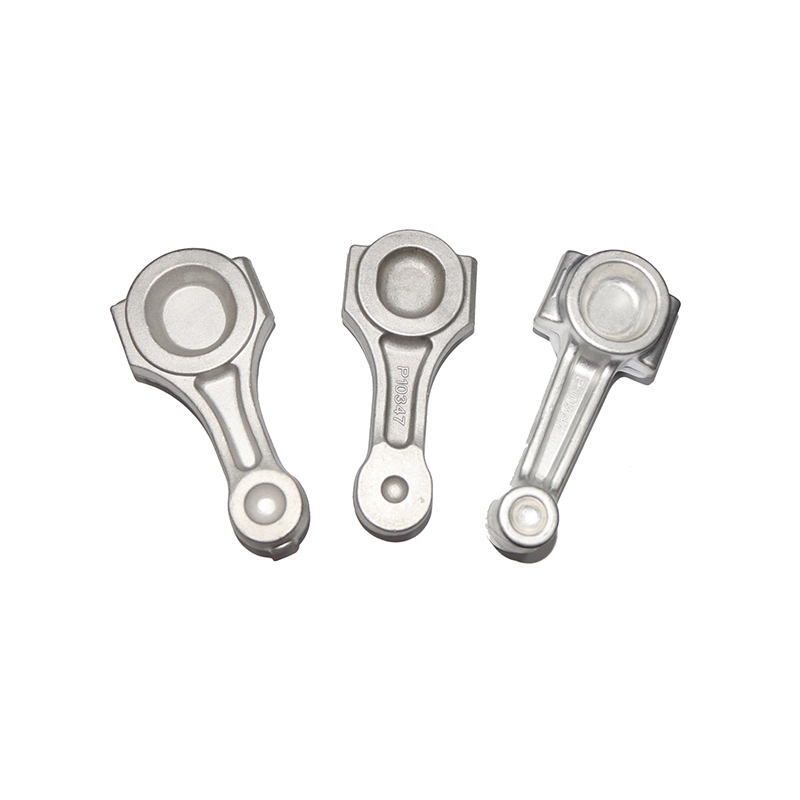
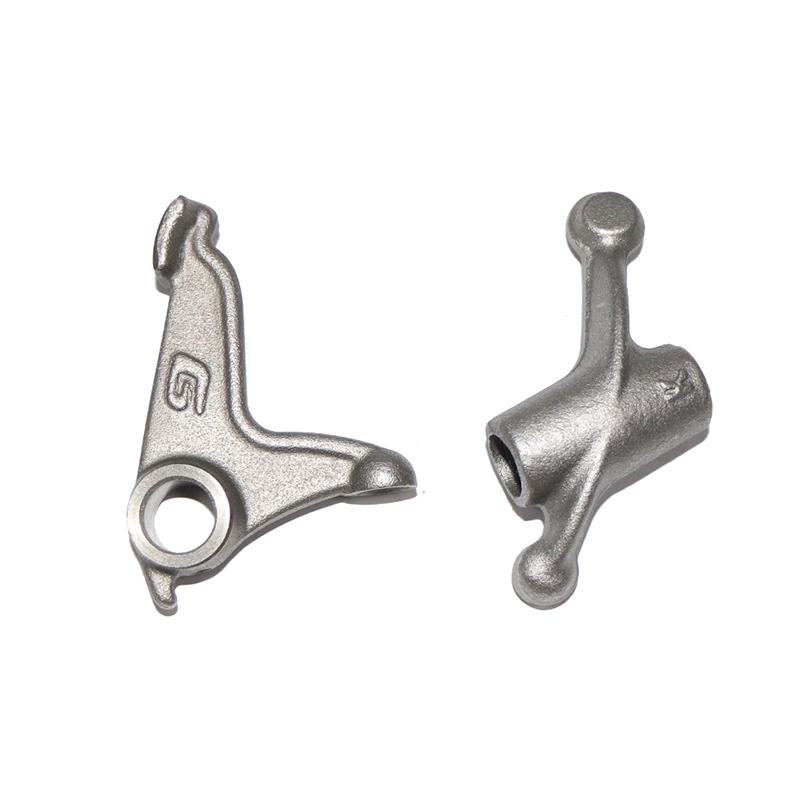 Custom Hot Forged Automotive Components for Powertrain and ChassisHot forging enhances tensile strength by 50-100% versus castings, with fatigue life over 10⁷ cycles. These parts cover engine, transmission, and suspension systems, offering lightweight design and reliable performance for vehicles.View Product →
A custom steel forged part is only as good as the planning around it. Share the drawing with the process concerns up front: volume, mechanical targets, and final tolerances. Let the supplier help you decide the forging route before the die is cut.
If you have a steel component that must carry load, resist wear, or close the gap between forging and finished machining, send the drawing and load requirements to Ningbo Chengen Machinery. We will review the material, forging process, machining allowance, and surface treatment as one package.