English
 Español
 русский
Content
Ask three engineers which alloy is best for a casting job and you will probably get three answers, and all three can be defensible. There is no single best casting alloy. There is only the alloy that fits your part's duty, its geometry, the process you can afford, and the machining and finishing steps that follow.
We work with aluminum, zinc, stainless steel, alloy steel, carbon steel and copper alloys every week, and the conversations that go well are almost always the ones where alloy selection started early. Here is how we think about alloys for casting applications, and where certain choices quietly pay off or cause trouble.
Castability Comes First, Properties Come Second
A wrought alloy and a casting alloy with broadly similar chemistry can behave like two different metals on the shop floor. Casting alloys are formulated around three things: fluidity, meaning how cleanly the metal fills thin sections before it freezes; shrinkage behaviour, meaning how much the part pulls in as it cools; and resistance to hot tearing and gas porosity.
That is why 6061 never shows up in a die casting cell, no matter how often it appears on a customer's existing drawing. Its casting cousins — A380, ADC12 and A360 — carry higher silicon levels and tighter limits on iron and trace elements precisely so they can be pushed into a die at speed without cracking or trapping gas.
So when a wrought-alloy drawing arrives, we treat it as a conversation rather than a rejection. Often we can match or beat the properties you actually need with a casting alloy plus a heat treatment. Sometimes we cannot, and you deserve to hear that early, before tooling money is spent.
The Main Alloy Families Behind Casting Applications
Across these families we keep a working catalogue of casting parts organised by process, material and industry. Here is the short version of what each family is good at.
Aluminum Casting Alloys
Aluminum is the workhorse of die casting: light, thermally conductive, easy to fill and friendly to a wide range of finishes. High-pressure die casting normally runs A380 or its close Japanese equivalent ADC12, both of which balance strength and castability well. A360 is chosen where corrosion resistance matters more, such as parts exposed to moisture or road salt. For gravity and low-pressure casting, 356 and A356 offer higher ductility and can be heat treated to a T6 condition. Where abrasion resistance leads the specification, high-silicon hypereutectic grades such as A390 earn their place.
Zinc Casting Alloys
Zamak 3, Zamak 5 and ZA-8 dominate zinc die casting. Zinc melts at a much lower temperature than aluminum, which is kind to tooling and lets us cast very thin walls and fine detail with excellent dimensional stability. The trade-off is weight and cost per kilogram, so zinc makes most sense in small, intricate, high-volume parts: lock bodies, gears, brackets and architectural hardware.
Steel and Stainless Steel Casting Alloys
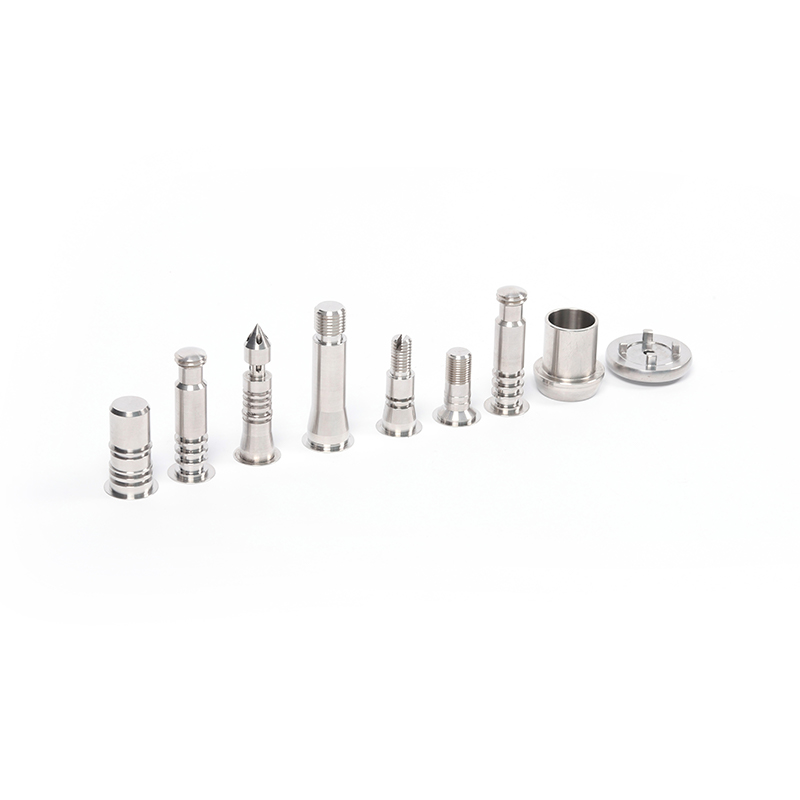
When strength, wear resistance or corrosion resistance leads the specification, we move to investment casting. Carbon steels cover general structural parts, low alloy steels such as 4140 and 8620 bring higher hardenability for load-bearing components, and stainless grades 304, 316 and 17-4PH handle marine, food, medical and architectural environments. Duplex and precipitation-hardening grades are available when a project calls for them, and our note on alloy steel grades, tolerances and manufacturing guidance goes deeper into that side of the work.
Copper-Based Casting Alloys
Bronze, brass and aluminum bronze are the classic bearing and seawater materials. They resist wear, conduct heat well and machine beautifully. Tin bronzes handle sliding contact under load, while aluminum bronzes hold up against corrosion and galling in pump and marine service.
Cast Irons
Grey iron, ductile iron and white iron still carry heavy machinery. Grey iron damps vibration and machines easily, ductile iron adds tensile strength and elongation for parts that must bend rather than break, and white iron delivers extreme abrasion resistance for wear plates and slurry handling components.
A Quick Process-to-Alloy Map
The table below is not a rule book, but it is close to how jobs actually land in our shop.
| Casting Process | Alloys We Commonly Run | Typical Fit |
|---|---|---|
| High-pressure die casting | Aluminum A380, ADC12, A360; zinc Zamak 3, Zamak 5, ZA-8 | Thin walls, high volumes, tight dimensional consistency |
| Gravity and permanent mold casting | Aluminum 356, A356, 319; selected copper alloys | Medium volumes where ductility and pressure tightness matter |
| Sand casting | Aluminum, grey and ductile iron, carbon steel, bronze | Large or low-volume parts with generous tolerances |
| Investment casting | Stainless 304, 316, 17-4PH; low alloy and carbon steels | Fine detail, thin sections, high-integrity components |
How We Narrow the Choice Down
When a new enquiry arrives, we walk through the same six questions before quoting. They apply whether the part is a pump housing or a subway handrail fitting.
- What does the part actually do? Load, pressure, temperature and sliding contact set the floor for mechanical properties.
- What is the service environment? Salt spray, humidity, chemicals and sunlight narrow the corrosion requirement quickly.
- How thick is the thinnest wall, and how far does the metal have to flow? This often decides the process and, with it, the alloy family.
- What machining and finishing follow? Some alloys machine cleanly; others demand more care around tool wear and surface porosity.
- What volumes and tooling budget are realistic? Die casting tooling is an investment that only pays back at volume.
- What is the total cost of the finished part? Alloy price per kilogram is one line in a much longer calculation.
Where These Alloys End Up in Practice
The families above cover a lot of ground, and the applications we see most are remarkably consistent from one year to the next.
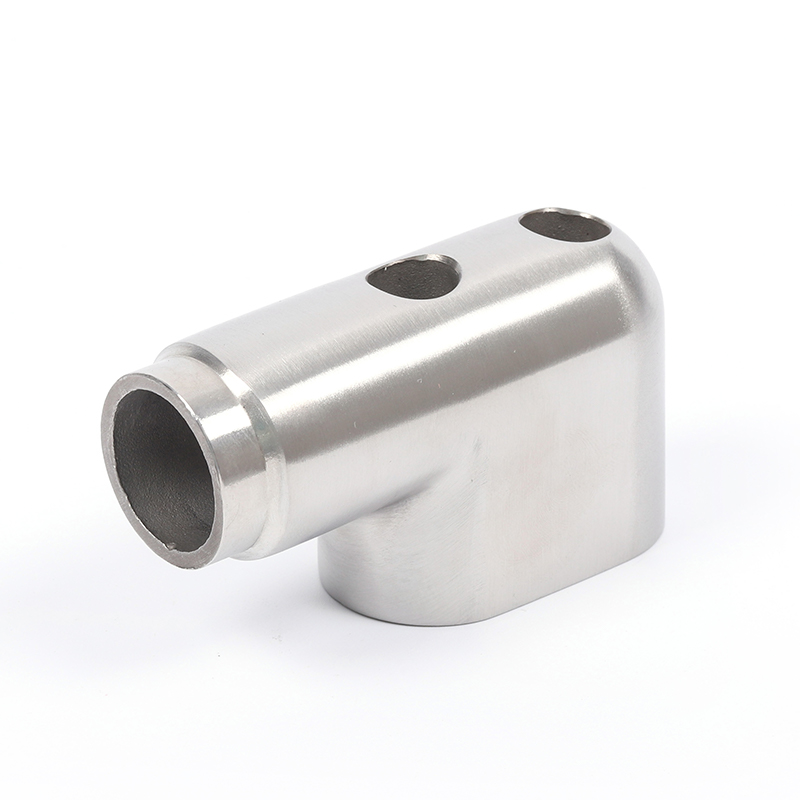
Automotive and powertrain work leans heavily on aluminum die casting for housings, covers and brackets, while stainless investment casting supplies components that must resist heat, road salt and constant vibration over a long service life.
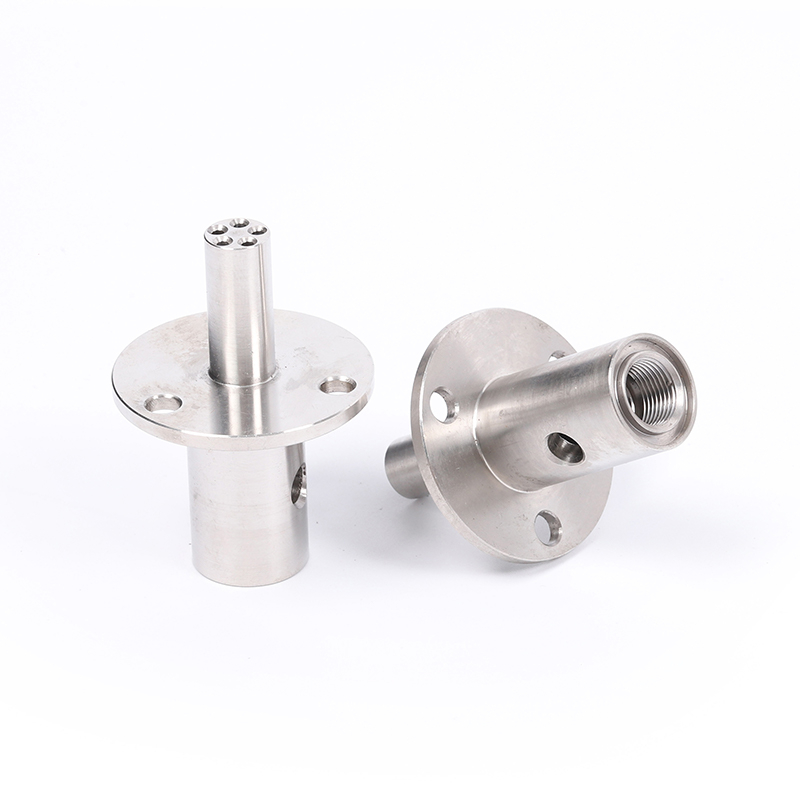
 Stainless Steel Precision Cast Automotive Chassis and Fastener PartsInvestment-cast 304/316 stainless components for heavy-duty truck chassis, connectors and brackets, offering corrosion and fatigue resistance in demanding automotive service.View Product →
Industrial fluid systems are a close second. Pump housings and hydraulic valve bodies have to hold pressure, seal reliably and keep wall sections uniform enough to avoid porosity, which is exactly the sort of geometry aluminum die casting handles well.
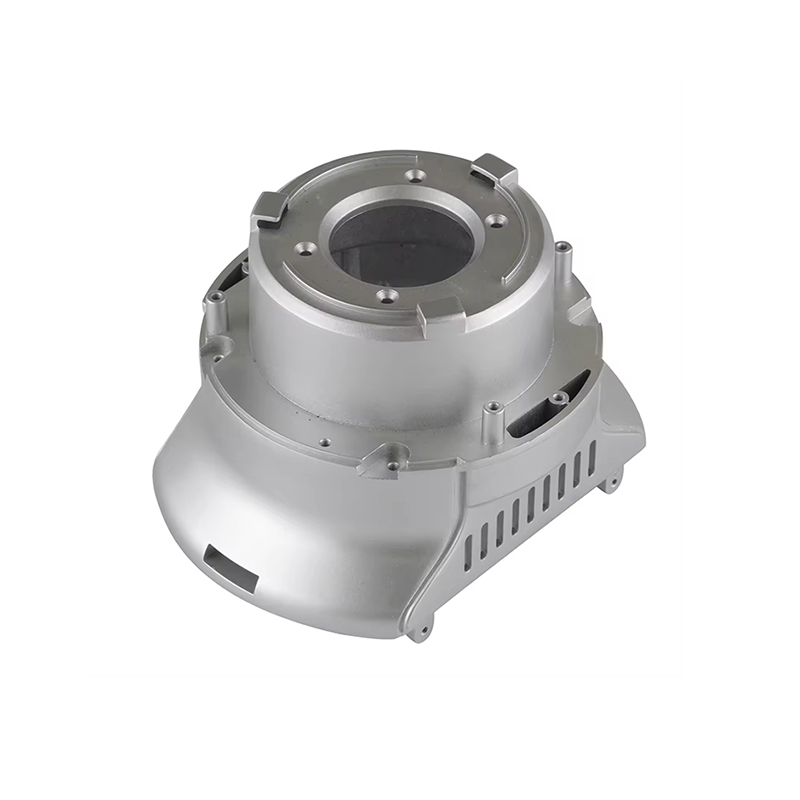 Aluminum Die-Cast Pump Housings and Hydraulic Valve BodiesVacuum-assisted aluminum die castings for pressure-tight pump shells and hydraulic valve bodies, with materials, machining and testing suited to industrial fluid systems.View Product →
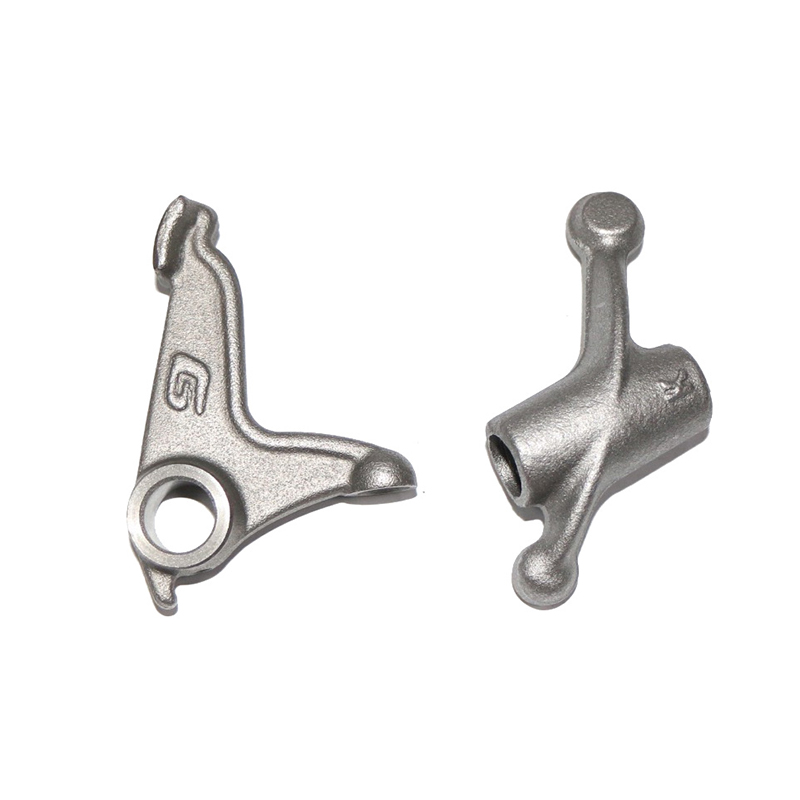
Agricultural machinery brings a different set of demands: impact, abrasion, mud and long intervals between servicing. Alloy steel investment casting suits parts that must stay dimensionally stable while absorbing that punishment season after season.
 Alloy Steel Precision Cast Agricultural Machinery Wear PartsInvestment-cast alloy steel blades, openers, gears and knives for tillage, harvesting and irrigation, heat-treated for wear, impact and durability in seasonal field work.View Product →
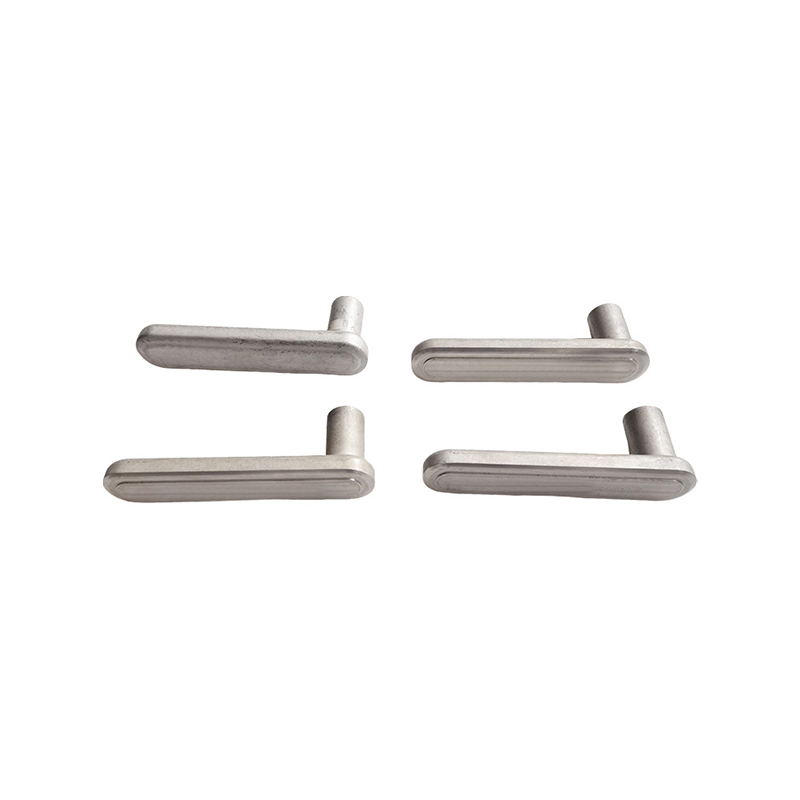
Beyond those, architectural hardware favours zinc for detail and stainless for outdoor exposure, rail transit interiors favour stainless and aluminum for cleanability and strength, and marine fittings almost always come back to stainless or aluminum bronze.
Practical Notes From the Shop Floor
- Do not chase a higher grade than the part needs. Stepping up from A380 to a premium alloy often adds cost without adding service life.
- Share the wall thickness early. One number can change the process, the alloy and the tooling cost.
- Plan machining allowance from the start rather than correcting it after the first samples.
- Ask about heat treatment before the drawing is frozen; the same alloy can behave very differently in as-cast and T6 conditions.
- Sample before committing to tooling whenever volume allows. A single prototype usually costs less than a redesign.
Alloy selection is rarely about finding the most impressive material. It is about finding the one that performs reliably in service, casts predictably in production and stays within reach on cost. Get those three aligned and the rest of the project tends to follow.
If you are weighing up options for a part you are developing, send us the drawing and the working conditions. We are happy to talk through the trade-offs before anything is cut.