English
 Español
 русский
Content
- 1 The Most Common Die Cast Materials
- 2 Aluminum Die Cast Material: Properties and Uses
- 3 Zinc Die Cast Material: Precision and Versatility
- 4 Magnesium Die Cast Material: The Ultra-Lightweight Option
- 5 Material Property Comparison
- 6 Copper and Brass as Die Cast Materials
- 7 How to Choose the Right Die Cast Material
- 8 Die Cast Material Selection in Industry Applications
- 9 Advances in Die Cast Material Technology
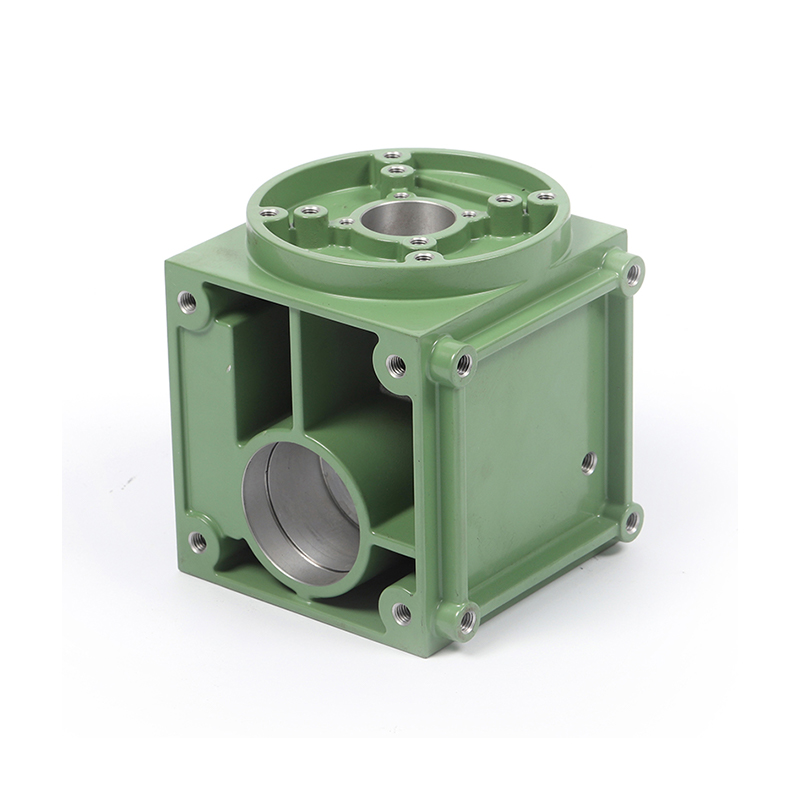
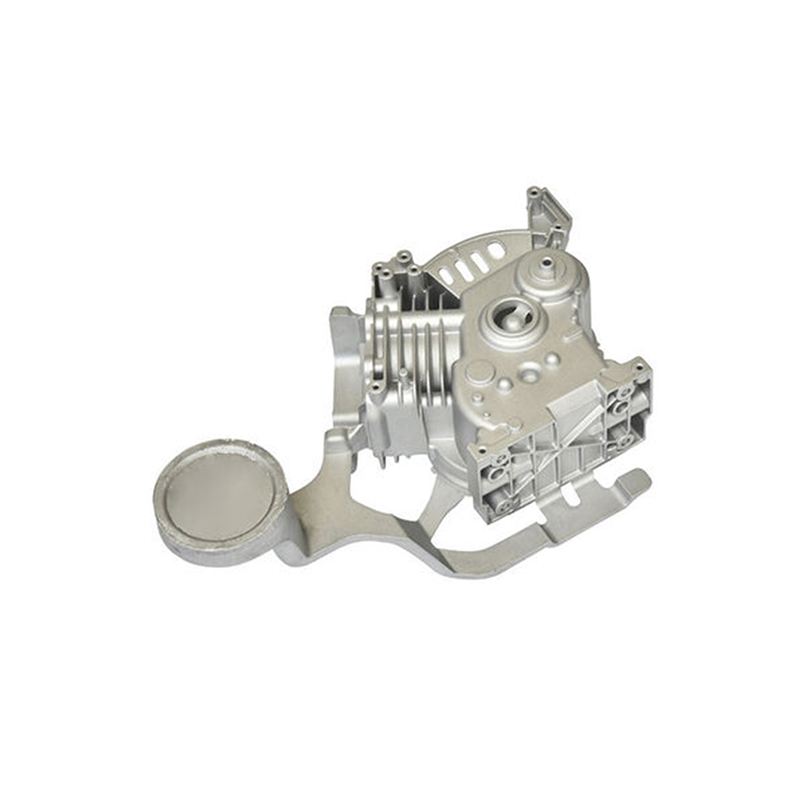
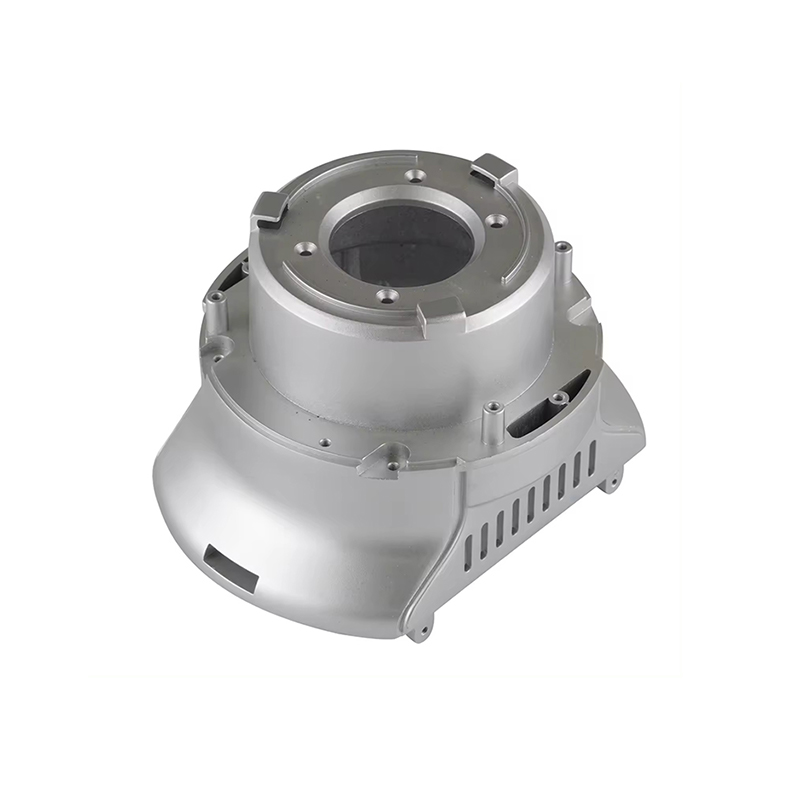
Die cast material refers to the metal alloys used in the die casting process — a manufacturing technique where molten metal is injected under high pressure into a precision-machined steel mold (called a "die"). Once the metal solidifies, the mold opens and ejects a near-net-shape part that requires minimal finishing.
Not every metal can be die cast. The ideal die cast material must have a relatively low melting point (to preserve die life), good fluidity in the molten state (to fill complex mold geometries), and desirable mechanical properties in the solidified form. The most common die cast materials are non-ferrous alloys — primarily based on zinc, aluminum, magnesium, and copper.
The Most Common Die Cast Materials
Each die cast material family has unique characteristics that make it suitable for different applications. Understanding the strengths and limitations of each is essential for engineers and product designers.
Aluminum Alloys
Lightweight, corrosion-resistant, and excellent for heat dissipation. The most widely used die cast material globally.
Zinc Alloys (Zamak)
Outstanding dimensional accuracy, longest die life, and ideal for small, intricate parts. Very easy to plate and finish.
Magnesium Alloys
The lightest structural metal used in die casting. Excellent strength-to-weight ratio for aerospace and electronics.
Copper/Brass Alloys
Superior hardness, wear resistance, and electrical conductivity. Used in plumbing, electrical, and marine hardware.
Lead & Tin Alloys
Very low melting points. Used in specialty applications like radiation shielding and battery components.
Aluminum Die Cast Material: Properties and Uses
Aluminum is by far the most popular die cast material, accounting for the majority of die cast production worldwide. Aluminum die casting alloys — such as A380, A383, A360, and ADC12 — offer an exceptional combination of properties:
- Low density: Aluminum is roughly one-third the weight of steel, making it ideal for automotive and aerospace weight-reduction efforts.
- Corrosion resistance: Aluminum naturally forms a protective oxide layer, making it suitable for outdoor and marine environments.
- Thermal conductivity: Excellent heat dissipation properties make it the go-to material for heat sinks, engine components, and electronic housings.
- Dimensional stability: Aluminum alloys maintain their shape well under varying temperatures and loads.
- Machinability: Easy to machine and finish after casting, reducing secondary processing costs.
Typical applications of aluminum die cast material include automotive transmission housings, engine blocks, cylinder heads, electronic enclosures, power tool housings, and consumer appliance components.
Zinc Die Cast Material: Precision and Versatility
Zinc alloys — most commonly the Zamak family (Zamak 2, 3, 5, and 7) — are the second most widely used die cast material. Zinc's lower melting point (~380°C compared to ~660°C for aluminum) offers significant manufacturing advantages:
- Longest die life: Because molten zinc is less aggressive toward steel dies, zinc dies can last 1–2 million shots, far exceeding aluminum's 100,000–150,000 shots.
- Near-zero draft angles: Zinc's superior fluidity allows for extremely thin walls and complex geometries that are impossible with other die cast materials.
- Excellent surface finish: Zinc parts can be chrome-plated, powder-coated, or painted with minimal surface preparation.
- High impact strength: Zinc alloys exhibit better impact resistance than aluminum at room temperature.
Magnesium Die Cast Material: The Ultra-Lightweight Option
Magnesium is the lightest structural metal used in die casting — about 33% lighter than aluminum and 75% lighter than steel. The most common die cast magnesium alloy is AZ91D, followed by AM50A and AM60B for applications requiring better ductility and impact resistance.
Key properties of magnesium as a die cast material include:
- Exceptional strength-to-weight ratio, making it ideal where mass reduction is critical
- Good electromagnetic shielding (EMI) properties — important in electronics housings
- High dimensional stability and excellent machinability
- Good damping properties, reducing vibration in components
Magnesium die casting is widely used in laptop and tablet housings, power tool bodies, automotive steering wheels, seat frames, instrument panels, and aerospace interior components. Its main limitations are higher material cost and susceptibility to corrosion without surface treatment.
Material Property Comparison
| Property | Aluminum | Zinc | Magnesium | Copper/Brass |
|---|---|---|---|---|
| Density (g/cm³) | 2.7 | 6.6 | 1.8 | 8.5 |
| Melting Point (°C) | ~660 | ~380 | ~650 | ~900–1,000 |
| Tensile Strength (MPa) | 300–350 | 280–330 | 200–260 | 380–450 |
| Corrosion Resistance | Excellent | Good | Fair | Excellent |
| Typical Die Life (shots) | 100,000–150,000 | 1,000,000+ | 100,000–120,000 | 10,000–50,000 |
| Relative Cost | Medium | Low–Medium | High | High |
Copper and Brass as Die Cast Materials
Copper-based alloys — including brass (copper-zinc) and bronze (copper-tin) — represent a smaller but important segment of the die casting market. These materials are valued for their:
- High strength and hardness: Copper alloys have the highest mechanical strength of all common die cast materials.
- Excellent wear resistance: Making them ideal for bushings, bearings, valve seats, and fittings.
- Superior electrical and thermal conductivity: Only surpassed by pure copper, which itself cannot be die cast efficiently.
- Antimicrobial properties: Copper alloys naturally inhibit bacterial growth, making them suitable for medical and plumbing applications.
The main challenge with copper die casting is the high melting point (~900–1,000°C), which significantly reduces die life and increases tooling and energy costs compared to aluminum or zinc.
How to Choose the Right Die Cast Material
Selecting the optimal die cast material requires a systematic evaluation of multiple factors:
1. Mechanical Requirements
Define the stress, load, impact, and fatigue conditions the part will experience in service. High-strength applications may favor copper alloys, while lightweight structural parts point toward aluminum or magnesium.
2. Weight Constraints
If weight reduction is a priority — as in automotive, aerospace, or portable electronics — magnesium and aluminum are the top contenders. Zinc and copper alloys are significantly heavier.
3. Environmental Exposure
Parts exposed to moisture, salt, or chemicals require inherently corrosion-resistant materials like aluminum or copper alloys, or zinc alloys with appropriate surface coatings.
4. Dimensional Precision and Wall Thickness
For thin-walled, highly intricate parts where tolerances are extremely tight, zinc die cast material offers unmatched fluidity and the ability to fill fine details without porosity.
5. Production Volume and Cost
High-volume production favors zinc (longest die life) and aluminum (low material cost, fast cycle times). Lower-volume runs of high-strength parts may justify the higher tooling cost of copper alloys.
6. Post-Processing and Finishing
Consider whether the part will be plated, painted, anodized, or machined. Zinc is the most amenable to decorative plating, while aluminum responds well to anodizing for functional and aesthetic oxide coatings.
Die Cast Material Selection in Industry Applications
Different industries have developed strong preferences for specific die cast materials based on decades of application experience:
- Automotive industry: Aluminum dominates for engine and transmission components; magnesium for interior structural parts; zinc for precise hardware and decorative trim.
- Consumer electronics: Magnesium alloys for ultra-thin laptop shells and camera bodies; aluminum for heat sinks and structural frames.
- Plumbing and HVAC: Brass and copper alloys for valves, fittings, and connectors requiring pressure resistance and corrosion immunity.
- Medical devices: Aluminum for housings and enclosures; copper alloys for antimicrobial contact surfaces.
- Telecommunications: Aluminum and magnesium for antenna housings and base station components, where EMI shielding is critical.
Advances in Die Cast Material Technology
The die casting industry continues to evolve with new alloy developments and process innovations. Semi-solid die casting (thixocasting and rheocasting) is expanding the range of alloys that can be die cast, including some steel-based compositions. High-vacuum die casting processes are reducing porosity in aluminum and magnesium components, making them suitable for structural applications that previously required forgings or machined billets.
Aluminum alloys with higher silicon content — such as the Silafont and Aural series — have been developed specifically for structural automotive applications like crash-relevant body nodes, offering greatly improved elongation and toughness compared to conventional die cast aluminum. Recycled content in aluminum and zinc die cast materials has also increased dramatically, with many alloys now containing over 90% recycled metal, significantly reducing the carbon footprint of die cast components.
Die cast material selection is one of the most consequential decisions in the product development process. The choice between aluminum, zinc, magnesium, copper, and other alloys determines not only the mechanical performance and durability of the finished part, but also its manufacturing cost, tooling investment, cycle time, surface finish potential, and environmental footprint.
A thorough understanding of what each die cast material offers — and where it falls short — empowers engineers and buyers to make informed decisions that balance performance requirements with economic realities. Whether you are designing a lightweight automotive structural bracket, a precision consumer electronics housing, or a durable plumbing fitting, there is a die cast material engineered to meet your needs with efficiency and reliability.