About Water Glass Casting Parts
The Water Glass Casting Parts industry is a cornerstone of modern manufacturing, especially in industries where precision, durability, and the ability to produce complex parts are essential. This specialized casting technique, also referred to as sodium silicate bonding casting, leverages the unique properties of water glass (sodium silicate) to create robust and intricate molds. By using water glass as a binder, manufacturers can produce sand molds that are incredibly durable and capable of withstanding the heat and pressure necessary for casting molten metals. This results in highly detailed, high-strength components that meet the demands of advanced industrial applications.
Water Glass Casting is particularly crucial in sectors that require components with high mechanical properties, tight tolerances, and complex geometries. Industries like construction machinery, automotive manufacturing, and heavy machinery production are some of the primary beneficiaries of this casting technique. The process enables the creation of intricate parts such as engine blocks, gears, transmission components, and hydraulic systems, all of which need to perform under extreme conditions. For these industries, Water Glass Casting Parts manufacturers provide not only reliability but also the precision required to ensure that each component meets stringent operational standards.
As these industries continue to advance, the need for high-quality Water Glass Casting parts has increased, placing a growing demand on Water Glass Casting Parts manufacturers to produce durable and cost-effective solutions. The ability to create such parts quickly and efficiently, without compromising on precision, has made Water Glass Casting one of the preferred methods for creating essential components in these demanding sectors.
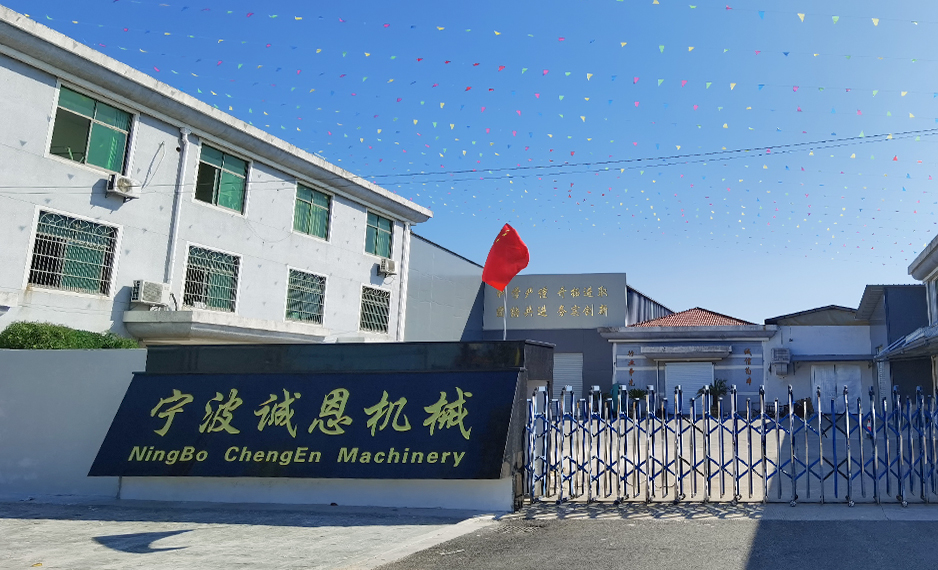
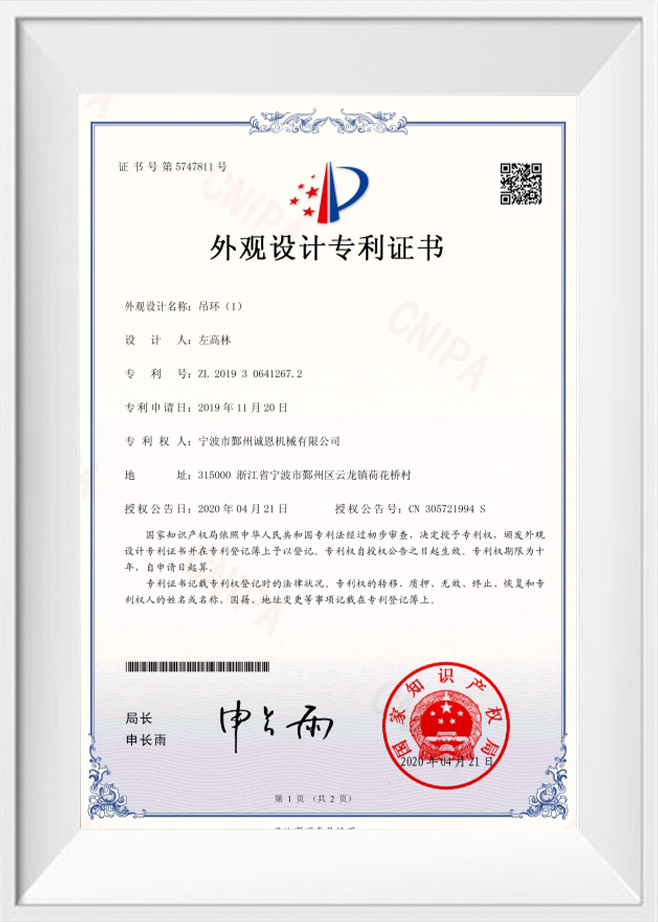
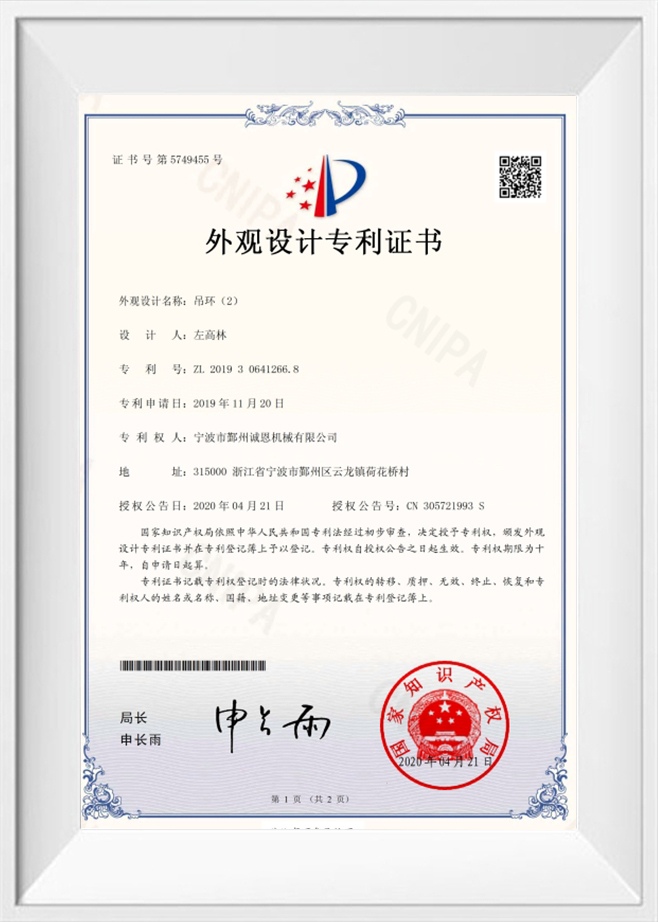
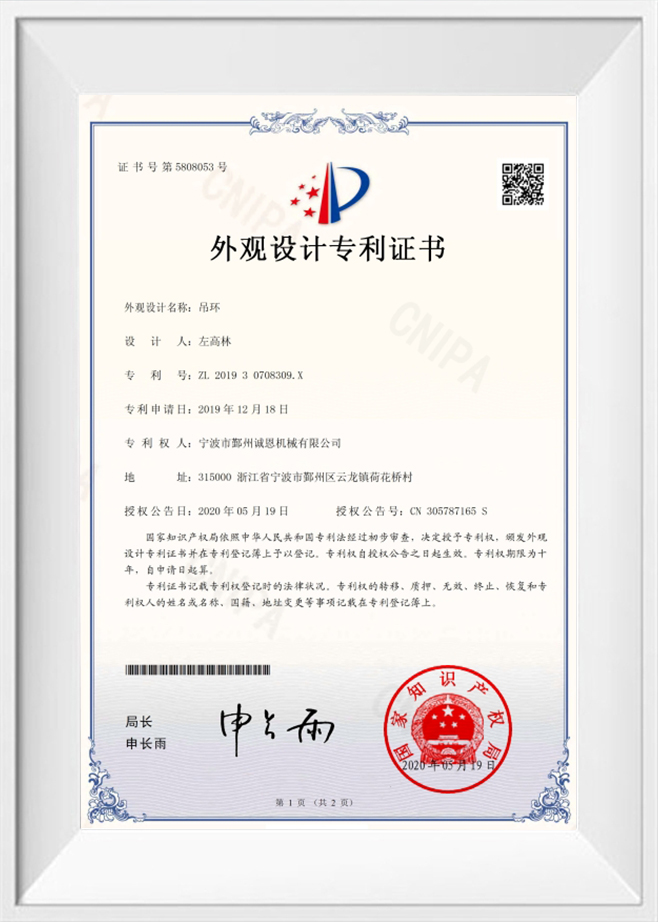
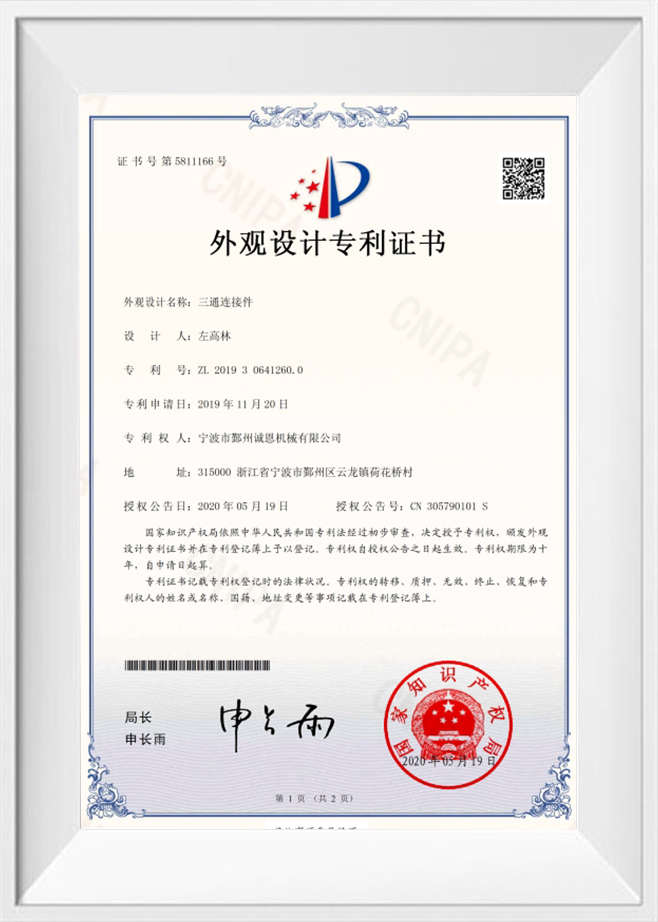
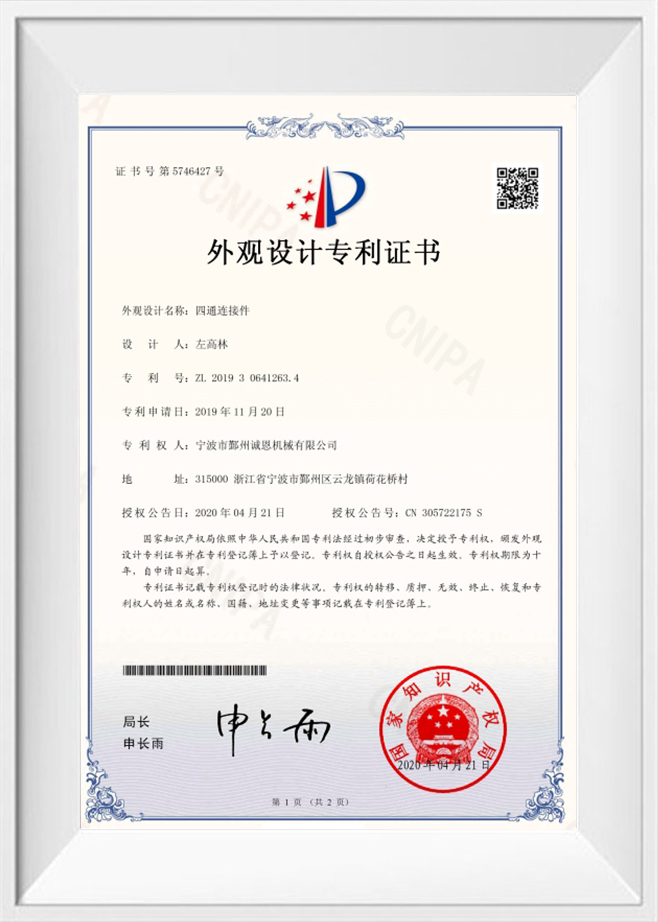
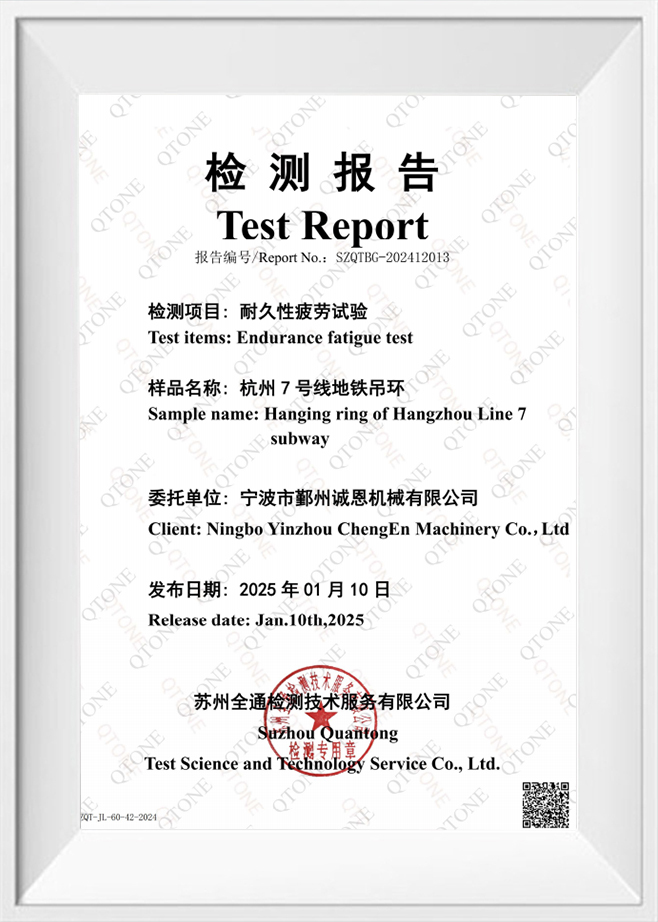
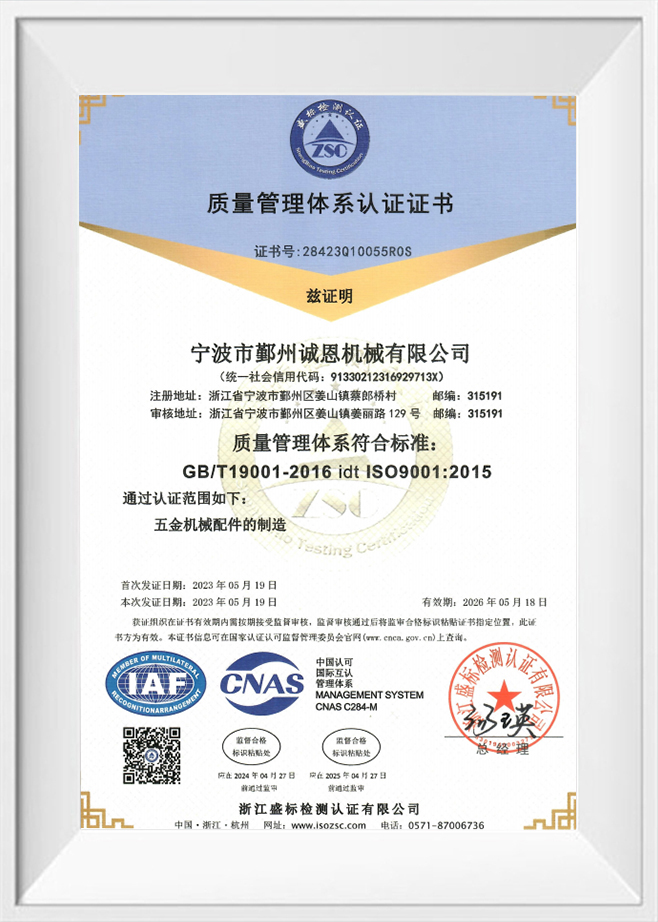
NingBo YinZhou ChengEn Machinery Co., Ltd., founded in 2008, stands at the forefront of this industry, specializing in the production of Water Glass Casting Parts. With a modern production facility spread across 12,000 square meters, the company has the capability to handle both large and small orders, offering highly efficient casting solutions to meet the global demand for high-precision components. The company’s skilled technical team ensures that each part is produced with superior quality, meeting the exact specifications required by clients.
Located in Jiangshan Town, Yinzhou District, Ningbo City, NingBo YinZhou ChengEn Machinery Co., Ltd. has earned a reputation for its exceptional manufacturing capabilities and commitment to quality control. By providing wholesale Water Glass Casting Parts, the company supports businesses across multiple industries, helping them source reliable, high-performance parts for various applications. In addition to offering standard casting solutions, the company also specializes in custom orders, catering to clients' specific needs and requirements. Whether it’s creating large production runs or specialized components, Water Glass Casting Parts suppliers like NingBo YinZhou ChengEn Machinery Co., Ltd. are essential for ensuring that industries around the world can access the high-quality parts they require to remain competitive and efficient in today’s fast-paced market.
China has become a leader in the Water Glass Casting Parts industry, with manufacturers offering cost-effective solutions without compromising quality. Wholesale Water Glass Casting Parts are widely available, catering to various industries worldwide. The casting process ensures that parts are produced with high precision, intricate details, and strength, essential for parts used in demanding applications such as heavy machinery and construction equipment.
Water Glass Casting Parts are particularly known for their ability to create components with complex internal features, fine details, and strong mechanical properties. This makes them an excellent choice for industries requiring parts that must withstand extreme conditions and perform at the highest standards.
Key Applications of Water Glass Casting Parts
| Industry |
Applications |
Key Components |
| Construction Machinery |
Hydraulic valves, engine components, gears |
High-strength alloys, gears |
| Automotive |
Engine components, transmission parts |
Pistons, cylinder heads |
| Heavy Machinery |
Gears, pumps, valves |
Steel alloys, hydraulic valves |
| Industrial Equipment |
High-performance parts |
Stainless steel, custom alloys |
In the construction machinery sector, Water Glass Casting plays a crucial role in producing high-strength, durable components that are essential for the operation of heavy machinery. This casting process is used to manufacture critical parts such as engine components, hydraulic systems, chassis, and support structures that are required to endure the demanding conditions of construction sites. Given the exposure to harsh environments, constant mechanical stresses, and extreme temperatures, parts produced through Water Glass Casting must possess exceptional mechanical properties. The casting method allows for the creation of intricate, high-precision components that are both robust and capable of maintaining high performance over extended periods. Water Glass Casting Parts suppliers produce these durable parts, ensuring that construction machinery operates reliably, even in the most challenging conditions.
In the automotive sector, the demand for precision and performance drives the use of Water Glass Casting in the production of essential components. Water Glass Casting Parts manufacturers are responsible for producing key automotive parts such as engine components, turbochargers, cylinder heads, and transmission parts, all of which are integral to the proper functioning of modern vehicles. The precision and quality control achieved through the casting process are essential for automotive parts, where the smallest deviations can impact overall performance, safety, and fuel efficiency. The casting process allows manufacturers to produce complex parts with fine details, ensuring they perform efficiently under high stress, heat, and pressure.
Similarly, heavy machinery industries rely heavily on Water Glass Casting Parts for the production of critical components like gears, pumps, and valves, which are essential for the operation of large-scale industrial equipment. These parts are exposed to significant mechanical stresses, high temperatures, and extreme wear during operation. Water Glass Casting's ability to produce components with exceptional strength, durability, and precision makes it an ideal solution for manufacturing parts that need to withstand such demanding conditions. From oil and gas extraction to mining equipment, heavy machinery relies on Water Glass Casting Parts suppliers to produce components that ensure the continued performance and efficiency of industrial equipment.
Advantages of Water Glass Casting
| Advantage |
Description |
| High Precision |
The process enables the creation of parts with intricate geometries and fine details. |
| Minimal Post-Processing |
Reduces the need for additional machining, saving time and resources. |
| Durability and Strength |
Parts are designed to perform under extreme conditions such as high temperatures, mechanical stress, and wear. |
| Complex Geometries |
Allows for production of parts with complex internal structures and thin walls. |
One of the most significant advantages of Water Glass Casting is its exceptional precision, which allows manufacturers to produce parts with intricate designs and complex geometries. This casting method excels in creating highly detailed components with tight tolerances, making it indispensable in industries like construction machinery and automotive manufacturing. The process ensures that even the most intricate shapes and fine details are accurately replicated, reducing the need for further machining and enhancing the overall quality of the components. The ability to produce such precise parts is particularly critical when the components must perform in demanding environments, where even the smallest flaw can result in failure or underperformance.
Durability and strength are other key advantages of Water Glass Casting. The parts produced through this process are engineered to withstand harsh conditions, including high temperatures, mechanical stress, and abrasive wear. These properties make Water Glass Casting ideal for producing high-performance components that must endure extreme environments, such as those found in the construction machinery and automotive industries. Parts like engine components, turbochargers, and hydraulic systems require the kind of durability that Water Glass Casting delivers, ensuring that these components maintain their integrity and performance even under challenging conditions.
Furthermore, Water Glass Casting offers cost-effective solutions for mass production. The precision of the casting process reduces the need for additional finishing processes like machining, grinding, or polishing, which are typically necessary in other casting methods. By eliminating the need for extensive post-processing, Water Glass Casting significantly reduces both production time and costs, making it an ideal choice for large-scale manufacturing runs. This ability to efficiently produce high-quality components in high volumes further solidifies its appeal in industries where both cost and performance are critical, such as the automotive and construction machinery sectors. Additionally, the consistency and repeatability of the casting process ensure that each part meets the same high standards, reducing scrap rates and further enhancing cost-efficiency.
Industry Trends in Water Glass Casting
As industries evolve, sustainability is becoming an increasingly important focus in the Water Glass Casting industry. Manufacturers are recognizing the need to reduce their environmental impact and are making concerted efforts to explore eco-friendly materials and more sustainable casting processes. From minimizing waste during production to using recyclable materials, the industry is aligning itself with global sustainability goals. These changes not only help reduce the environmental footprint of manufacturing but also cater to the growing consumer demand for greener, more environmentally responsible products. Innovations in casting techniques and materials, such as the use of low-emission binders and energy-efficient equipment, are helping manufacturers significantly reduce the environmental impact of the casting process.
Another prominent trend in the Water Glass Casting industry is the rise of electric vehicles (EVs) and smart technologies, both of which are reshaping the demand for casting components. As the electric vehicle market expands, there is an increasing need for lighter, stronger, and more durable parts to enhance vehicle performance and energy efficiency. Water Glass Casting is particularly well-suited for the production of lightweight yet robust components required for EVs, such as motor housings, battery casings, and structural elements. The casting process allows for the production of high-strength parts that contribute to reducing the overall weight of the vehicle, improving fuel efficiency and battery range.
Additionally, as smart technologies continue to evolve, there is a growing need for high-precision parts that can be integrated into complex systems, such as autonomous vehicles, IoT devices, and advanced manufacturing equipment. Water Glass Casting suppliers are responding to this demand by incorporating advanced materials such as high-performance alloys and specialty metals into their processes, enabling the production of components that meet the stringent requirements of modern technologies. These materials are essential for ensuring the longevity and reliability of parts used in high-tech applications that must perform under extreme conditions.
Moreover, the ongoing integration of advanced manufacturing techniques like additive manufacturing (3D printing) and digital simulation is further driving the evolution of the Water Glass Casting industry. By combining traditional casting with these cutting-edge technologies, manufacturers are able to push the boundaries of design and create even more intricate, customized components with greater precision and efficiency. As a result, Water Glass Casting suppliers are positioning themselves at the forefront of industry innovation, adapting to the rapidly changing landscape and ensuring that they meet the future demands of sectors like automotive, construction machinery, and electronics.
Challenges in the Water Glass Casting Industry
While Water Glass Casting offers numerous advantages, including precision, durability, and cost-efficiency, there are several challenges that manufacturers must face to remain competitive in the global market.
One of the primary challenges is achieving cost efficiency while maintaining the high levels of precision and quality required by demanding industries such as construction machinery, automotive, and heavy machinery. The Water Glass Casting process itself can be resource-intensive, especially when working with specialized alloys and complex geometries. Although it reduces the need for extensive post-processing, the initial production costs—such as material expenses, labor, and the use of advanced technologies—can still be relatively high. Manufacturers must find ways to balance these costs without compromising the integrity of the final product. This requires continuous optimization of production processes and material usage to maintain cost-effectiveness without sacrificing quality or performance.
Additionally, the evolving regulatory landscape presents another challenge. As global regulations on environmental sustainability, material safety, and quality standards become stricter, Water Glass Casting manufacturers must ensure that their processes comply with both local and international guidelines. This often requires substantial investments in research and development to incorporate new materials, improve energy efficiency, and adopt environmentally friendly production methods. Regulatory compliance is not just about meeting legal requirements but also about staying ahead of industry trends that focus on eco-friendly solutions. Manufacturers who are unable to adapt to these regulatory changes risk falling behind their competitors.
Another significant challenge is the rapid pace of technological innovation. As industries evolve, especially in the automotive and aerospace sectors, the demand for lighter, stronger, and more durable parts increases. Water Glass Casting suppliers must stay ahead of the curve by continually innovating their casting processes and investing in advanced casting technologies. This may involve exploring new materials, refining casting techniques, or even integrating emerging technologies like 3D printing and robotics into their production processes. The complexity of creating parts with intricate geometries and fine details means that casting technology must evolve continually to meet the needs of these advanced applications.
Lastly, maintaining a skilled workforce is essential for overcoming these challenges. The intricacies of the Water Glass Casting process demand highly trained technicians and engineers who are capable of managing complex equipment and troubleshooting problems that may arise during production. As demand for high-precision components grows, the need for skilled labor will continue to rise, placing pressure on manufacturers to provide ongoing training and retain talented employees.
FAQ
What is Water Glass Casting?
Water Glass Casting is a precision casting technique that uses sodium silicate, also known as water glass, as a binder for creating sand molds. The technique is highly effective in producing metal parts with intricate geometries and fine details. These parts are ideal for industries that require high precision and durability, such as construction machinery, automotive, and heavy machinery.
Why is Water Glass Casting used in construction machinery?
Water Glass Casting is commonly used in construction machinery due to its ability to produce high-strength, durable components that can withstand the harsh conditions and mechanical stresses typical in heavy machinery applications. Parts produced by this method are designed to perform under extreme temperatures and pressures, making them ideal for use in engines, hydraulic systems, and chassis components in construction machinery.
What are the advantages of Water Glass Casting?
The advantages of Water Glass Casting include: High precision: The casting process allows for the creation of parts with intricate geometries and fine details, which is crucial for industries like construction machinery and automotive manufacturing. Minimal post-processing: Since the casting process is highly precise, the need for additional machining or finishing is significantly reduced, saving time and resources. Durability and strength: Parts produced using Water Glass Casting are designed to endure extreme conditions, including high temperatures, mechanical stress, and wear. Complex geometries: The casting method is capable of producing components with complex internal structures and thin walls that traditional casting methods are not capable of achieving. Cost-effectiveness: The efficiency of Water Glass Casting in reducing post-processing and its suitability for mass production make it a cost-effective solution for large production runs.

 English
 Español
 русский