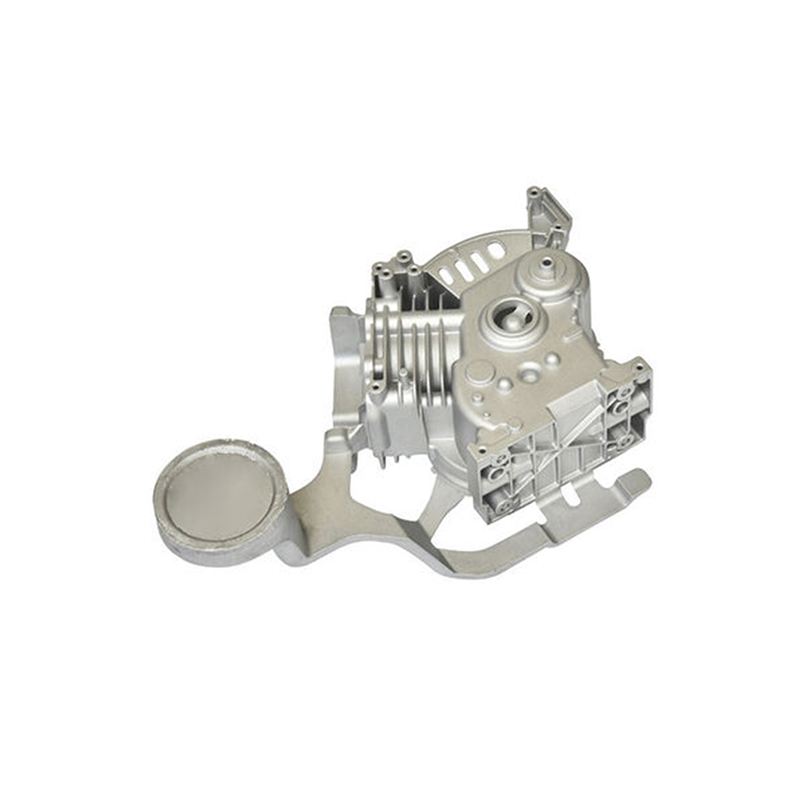
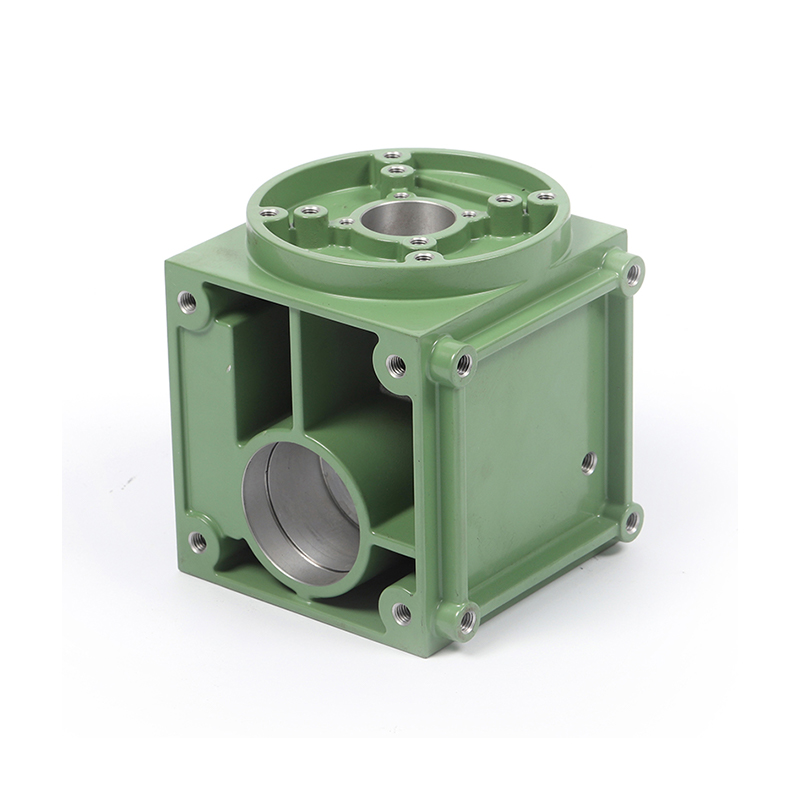
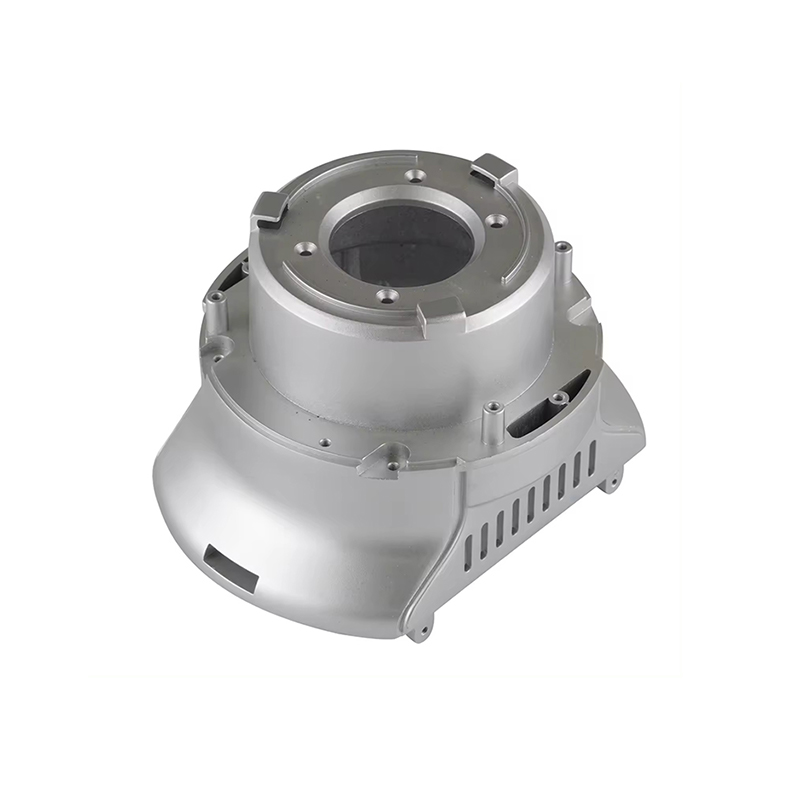
Introduction to Die Cast Parts
Die cast parts are critical components in modern manufacturing, produced using the die casting process. This method involves injecting molten metal under high pressure into a precisely designed mold, which allows the material to take the exact shape of the mold cavity. This results in parts that are highly accurate, with smooth surfaces and the ability to form complex geometries, often with minimal post-processing. The die casting process is especially valuable when large quantities of identical, high-quality components are required.
The process can be applied to a wide variety of metals, including aluminum, zinc, magnesium, and copper alloys, each chosen depending on the specific requirements of the end product. For instance, aluminum die cast parts are well-known for their excellent strength-to-weight ratio and corrosion resistance, making them ideal for automotive, aerospace, and electronics applications. Similarly, zinc is often preferred for parts requiring high precision and excellent surface finishes, like consumer electronics and mechanical parts.
Die casting is highly valued for its ability to produce parts with excellent dimensional accuracy and repeatability, making it a cost-effective solution for industries that require high-volume production. The ability to create parts with fine details and tight tolerances while maintaining a consistent level of quality over many cycles of production is a key reason why die casting is favored for large-scale manufacturing operations.
In addition to its precision, die casting offers several other advantages. The process allows for minimal waste and reduced material costs because excess material can be recast and reused. Furthermore, the high-pressure injection ensures that the molten metal fills the mold completely, even in intricate designs, without the air pockets or defects that can sometimes occur with other casting methods.
Die cast parts are also known for their exceptional strength and durability. This is due to the fine grain structure that is created during the rapid cooling process, which results in dense, strong parts that exhibit high resistance to wear, fatigue, and impact. The uniformity of the metal structure created in die casting ensures that parts are consistent in performance and free from defects such as porosity or air pockets, making them ideal for high-stress applications where reliability is crucial.
Moreover, the die casting process supports the creation of parts with high complexity. Unlike traditional machining methods, which might require multiple processes to achieve intricate shapes, die casting can produce complex components in a single step. This includes thin walls, tight internal features, and undercuts, often reducing the need for additional machining or assembly operations.
Why Die Cast Parts Are Important
Die cast parts are an essential component of modern manufacturing due to the numerous advantages they provide, especially when compared to traditional manufacturing methods like casting or machining. One of the most significant benefits of die casting is its high precision. The process ensures that each part is produced to exact specifications, with tight tolerances and uniformity. This precision is vital for industries such as automotive, electronics, and aerospace, where even the smallest variations in size or shape can compromise the performance and safety of the final product. Components like engine blocks, electrical connectors, and aircraft components must fit together perfectly to function optimally. Die casting ensures this level of accuracy is achieved consistently, making it a preferred choice for critical applications.
In addition to precision, die casting is also renowned for its efficiency. The molds used in the process can be reused thousands of times without significant wear, significantly reducing production costs over large-scale runs. This reusability makes die casting a cost-effective solution, particularly for high-volume production, as the cost per part decreases with each additional cycle. Manufacturers can produce thousands of identical parts quickly and at a lower cost than alternative manufacturing processes, making it an ideal choice for industries requiring large quantities of parts, such as automotive suppliers or consumer electronics manufacturers.
The superior strength and durability of die-cast parts are another critical factor in their importance. Parts produced via die casting tend to be stronger and more resistant to wear compared to those made through traditional casting methods. The uniformity and density of the material created during the die casting process result in parts with fewer internal defects, such as porosity or gas holes. This means the final components are less likely to fail under stress, making them ideal for high-stress environments, such as in the automotive, aerospace, and heavy machinery industries. The fine-grain structure formed during the die casting process also contributes to the high mechanical properties, including tensile strength, fatigue resistance, and impact toughness.
Another key advantage of die casting is its ability to create intricate and complex shapes. The pressure of the molten metal injected into the mold fills every corner and recess of the die, allowing for the production of parts with fine details and thin walls. This capability is particularly beneficial for industries that require components with complex geometries, such as electronics and automotive industries. Parts such as electrical connectors, brackets, and gear housings benefit from this precision, allowing for designs that would be difficult or prohibitively expensive to produce using other manufacturing techniques like machining or stamping. Furthermore, die casting can create components with integrated features, such as holes, channels, and threads, which may eliminate the need for additional processes like machining, welding, or assembly.
In addition to these technical benefits, die cast parts also offer excellent surface finishes. The high pressure applied during the injection process results in smooth, clean surfaces that often require minimal finishing. This is particularly important for industries where the aesthetic appearance of the final product is crucial, such as in consumer electronics and appliances. The smooth finish reduces the need for additional processing like polishing, painting, or coating, thus saving time and labor costs.
Finally, the versatility of the die casting process in terms of material choice further enhances its importance. Die casting can be performed with a wide variety of metals, including aluminum, zinc, magnesium, and copper alloys, each offering unique properties tailored to specific applications. Aluminum die cast parts are lightweight and corrosion-resistant, making them ideal for applications like automotive engine parts or aerospace components. On the other hand, zinc die cast parts are known for their excellent surface finishes and are commonly used for electrical connectors and consumer goods.
In conclusion, die cast parts are essential in modern manufacturing due to their high precision, cost-effectiveness, strength, and versatility. Their ability to produce intricate shapes with minimal waste and excellent mechanical properties makes them indispensable in industries ranging from automotive and aerospace to electronics and consumer goods. Whether it's for creating durable components that withstand harsh conditions or producing complex parts with tight tolerances, die casting is an invaluable process that drives innovation and efficiency in manufacturing.
Materials in Die Casting
Materials Used in Die Casting: Aluminum, Zinc, and Magnesium
In die casting, the choice of material is a critical factor that influences the final properties of the cast part. Among the most commonly used materials are aluminum, zinc, and magnesium, each offering distinct advantages tailored to specific industry needs. These materials are valued for their unique characteristics and benefits, which make them ideal for producing high-precision, high-performance parts for a variety of applications.
Aluminum Die Casting
Aluminum is one of the most popular materials used in die casting, and for good reason. This material is highly sought after due to its lightweight nature and corrosion resistance, making it ideal for components that need to perform well under challenging environmental conditions while keeping the overall weight of the product low. As a result, aluminum is commonly used in industries such as automotive, aerospace, and electronics.
Aluminum is valued for its lightweight property, which is critical in industries where weight reduction plays an essential role. For instance, in the automotive industry, aluminum die cast parts such as engine blocks, suspension parts, and transmission cases are designed to reduce vehicle weight, which in turn leads to improved fuel efficiency. The aerospace industry also benefits from aluminum’s low density for components like aircraft frames, where reducing weight can significantly improve fuel efficiency.
Another major benefit of aluminum die casting is its corrosion resistance, which is particularly useful in environments exposed to moisture and salt. This feature makes aluminum an excellent choice for marine applications, where parts like marine hardware, propellers, and rudders must resist corrosion in saltwater environments. Additionally, aluminum’s excellent thermal conductivity makes it suitable for parts that require efficient heat dissipation, such as heat sinks and engine components in the electronics and automotive industries.
Zinc Die Casting
Zinc is another commonly used material in die casting, known for its excellent fluidity, which allows for the creation of intricate shapes and fine details in the produced parts. Zinc die cast parts are especially popular for high-precision components that require fine features and detailed geometries. This is one of the reasons why zinc is extensively used in industries such as electronics, automotive, and consumer goods.
One of the primary benefits of zinc die casting is its fluidity, which enables the production of highly detailed parts that can be difficult or costly to achieve with other manufacturing methods. This makes zinc ideal for applications that require complex shapes, such as electrical connectors, brackets, and locks. Additionally, zinc die castings are strong and durable, providing excellent performance in high-stress conditions. They also offer corrosion resistance, particularly against rust and oxidation, which is essential in parts exposed to moisture, like electrical enclosures and outdoor products.
The combination of high strength and impact resistance makes zinc an ideal material for automotive parts, such as powertrain components and brackets, which need to withstand repeated mechanical stress. Zinc’s ability to maintain dimensional stability and provide fine detail also makes it a preferred material for manufacturing components like switches, levers, and electrical fittings used in consumer goods and electronics.
Magnesium Die Casting
Magnesium is the lightest of all structural metals, offering a remarkable strength-to-weight ratio that is highly valued in industries where weight reduction is a top priority. Magnesium parts are commonly used in aerospace and automotive industries, where every gram saved can contribute to improved fuel efficiency and performance.
One of the key advantages of magnesium is its strength-to-weight ratio, which means it can deliver superior strength while being significantly lighter than other metals like aluminum. This property is especially crucial in the aerospace industry, where magnesium is used in components such as aircraft engine casings, frames, and fuel tanks, where minimizing weight without compromising on strength is critical.
In addition to its lightweight nature, magnesium also offers excellent thermal conductivity and electrical conductivity, which makes it ideal for electronics and automotive applications that require efficient heat dissipation. Parts like battery casings, heat sinks, and motor housings benefit from these conductive properties, allowing for better heat management and overall performance.
However, magnesium is more susceptible to corrosion compared to aluminum and zinc, so it often requires special surface treatments such as anodizing or coating to protect against environmental factors. Despite this, magnesium remains a go-to material for industries where reducing weight is paramount, such as automotive engine components, brake parts, and structural components in aircraft.
Benefits of Die Casting
1. High Precision
One of the standout advantages of die casting is its ability to produce parts with high precision. The die casting process involves injecting molten metal into a mold at high pressure, which allows for extremely tight tolerances. This level of dimensional accuracy ensures that each part fits perfectly in its assembly, which is particularly important for industries such as automotive, electronics, and aerospace, where even the smallest deviation can lead to functional issues or safety concerns. Components like engine blocks, circuit boards, and aircraft parts must meet very strict specifications to guarantee optimal performance, and die casting is one of the most reliable methods for achieving this level of precision. Moreover, the consistency of the process allows manufacturers to produce thousands of identical parts, all meeting the same exacting standards.
2. Durability
Another significant benefit of die casting is the durability of the finished parts. The high pressure used during the injection process compacts the molten metal, leading to a dense, uniform structure that enhances the material's overall strength. This makes die cast parts highly resistant to wear, fatigue, and other forms of mechanical stress, even under extreme conditions. For example, parts used in automotive engines, brake systems, and machinery are subjected to high mechanical loads, heat, and vibrations. With die casting, manufacturers can create parts that are strong enough to withstand these harsh operating environments, ensuring that they maintain their integrity over long periods and under challenging conditions. The resistance to corrosion and high-temperature performance of die cast parts also make them ideal for use in marine and aerospace applications, where components need to endure exposure to saltwater or extreme altitudes.
3. Complex Geometries
Die casting allows for the production of parts with complex geometries and intricate designs that would be difficult or prohibitively expensive to achieve through other manufacturing methods such as machining or forging. The ability to create fine details and complex shapes makes die casting an incredibly versatile process for industries that require parts with specialized features. For example, automotive manufacturers often use die casting to create engine components, gearboxes, and suspension parts, which require both strength and precise shapes to function optimally. In the electronics industry, die casting is often used to create casings and enclosures for devices that require tight dimensions and ventilation slots for heat dissipation. Without die casting, achieving these shapes would either be impractical or far more costly. The ability to incorporate multiple features, such as holes, threads, and undercuts in a single piece, further improves the efficiency of production and reduces the need for additional assembly or post-processing.
4. Cost-Efficiency
Die casting is one of the most cost-efficient manufacturing methods, particularly when producing high-volume parts. The process allows manufacturers to achieve high productivity with minimal waste. This is primarily due to the fact that the molds used in die casting can be reused multiple times without significant degradation in quality. The durability and longevity of these molds help reduce the cost of each individual part, especially during large production runs.
Additionally, the die casting process requires minimal post-production machining compared to other manufacturing techniques. Once the parts are molded, they are usually ready for use with only minimal finishing required, such as debur (removal of any excess material), surface finishing, or painting. This reduces both labor and material costs significantly. For example, in industries like automotive manufacturing, where tens of thousands of parts are produced, this level of efficiency is a major cost-saving factor. The precision of the die casting process means that fewer defects are created, minimizing scrap material and reducing the time needed for quality control or rework.
Moreover, die casting offers cost savings not only in production but also in terms of energy consumption. Since the molds can be reused and the material is poured under pressure, the need for additional heating and remelting processes is minimized. This energy-efficient aspect contributes to both cost reduction and environmental sustainability, particularly in industries that require the continuous production of parts in large quantities.
Applications of Die Cast Parts
Die cast parts are used in numerous industries due to their versatility, durability, and cost-effectiveness:
- Automotive Industry: Parts like engine blocks, transmission housings, and suspension components benefit from the strength and precision offered by die casting.
- Electronics Industry: Die cast parts are essential for creating enclosures, connectors, and heat sinks that require high accuracy and excellent thermal conductivity.
- Aerospace Industry: Components like aircraft engine parts and structural elements rely on die casting for lightweight yet durable solutions.
- Industrial Machinery: Parts such as gears, housings, and pumps are often made using die casting due to their ability to endure mechanical stress and harsh working environments.
Die Cast Parts in China
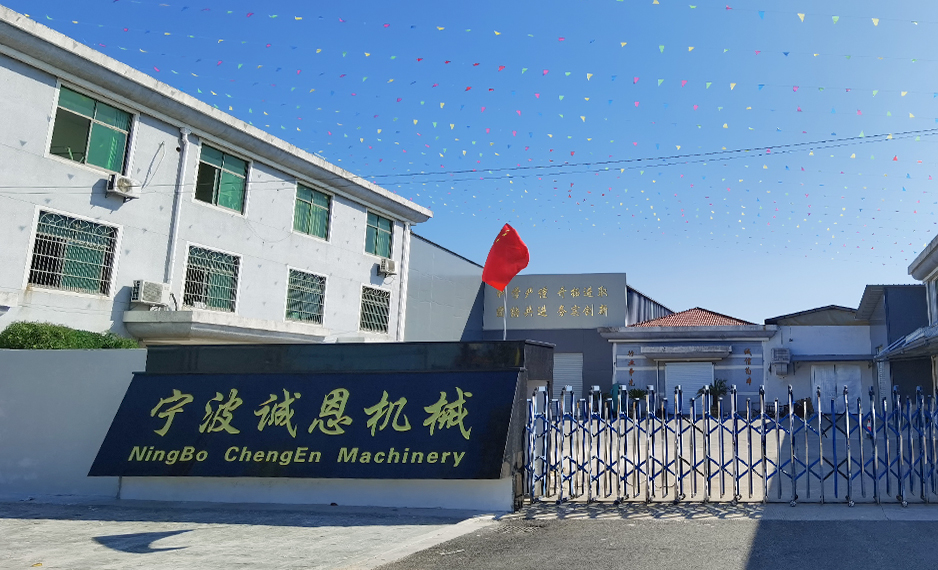
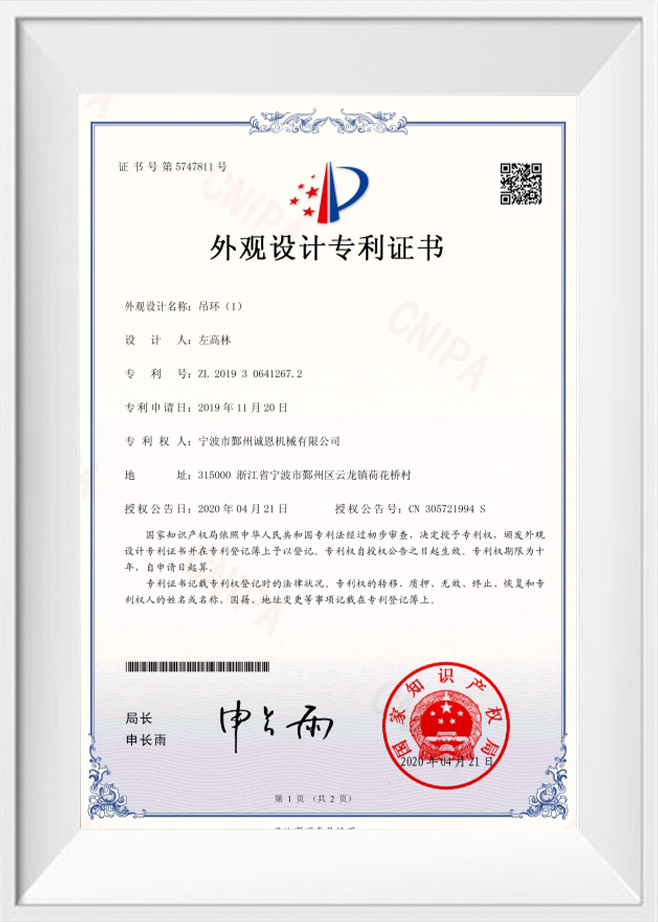
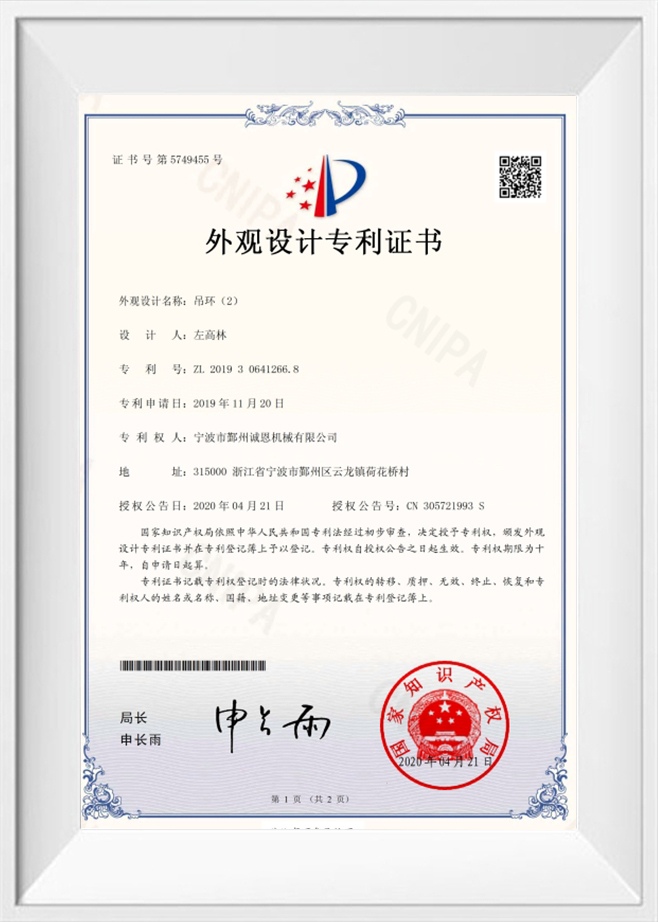
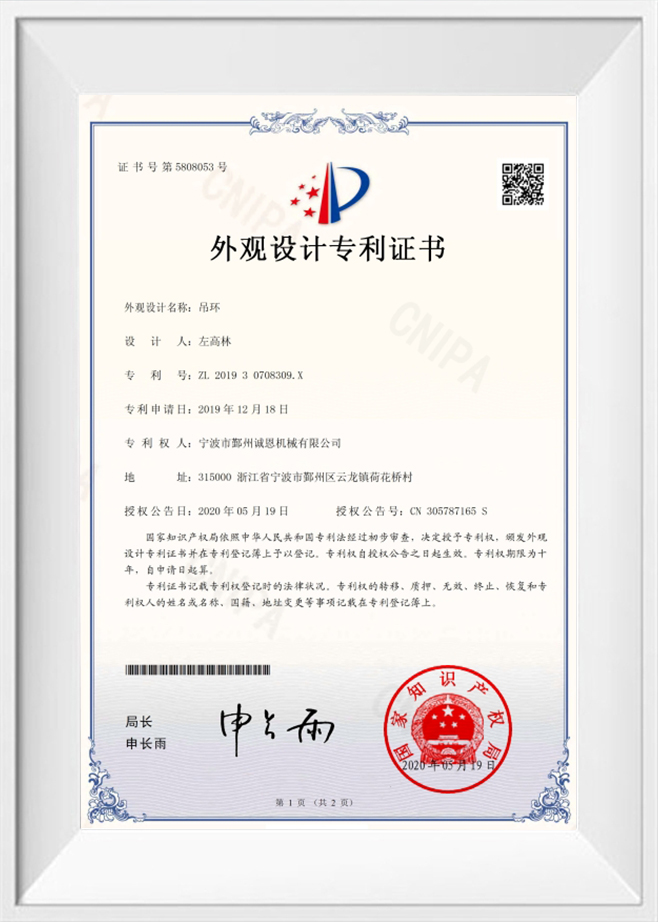
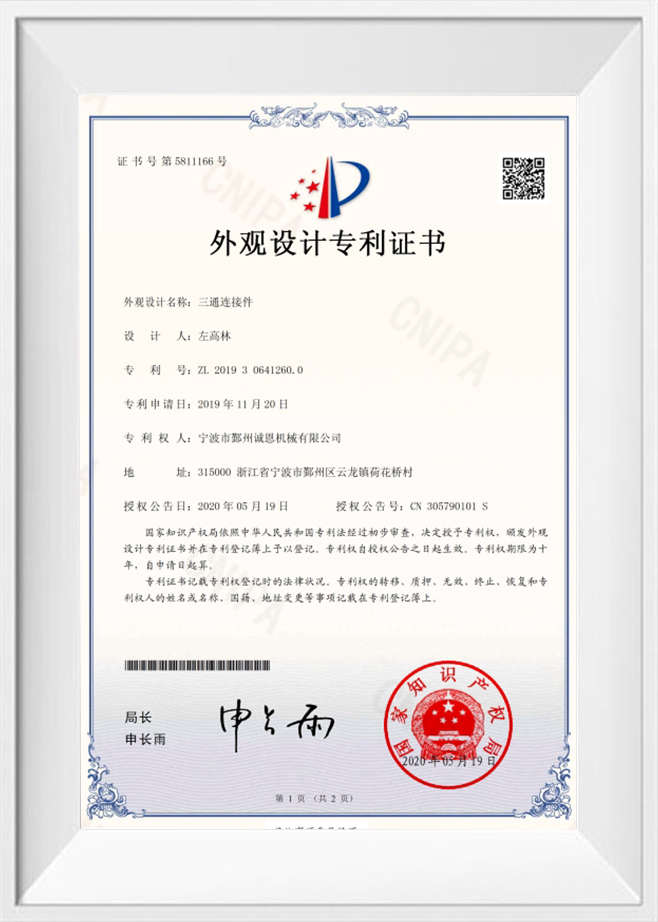
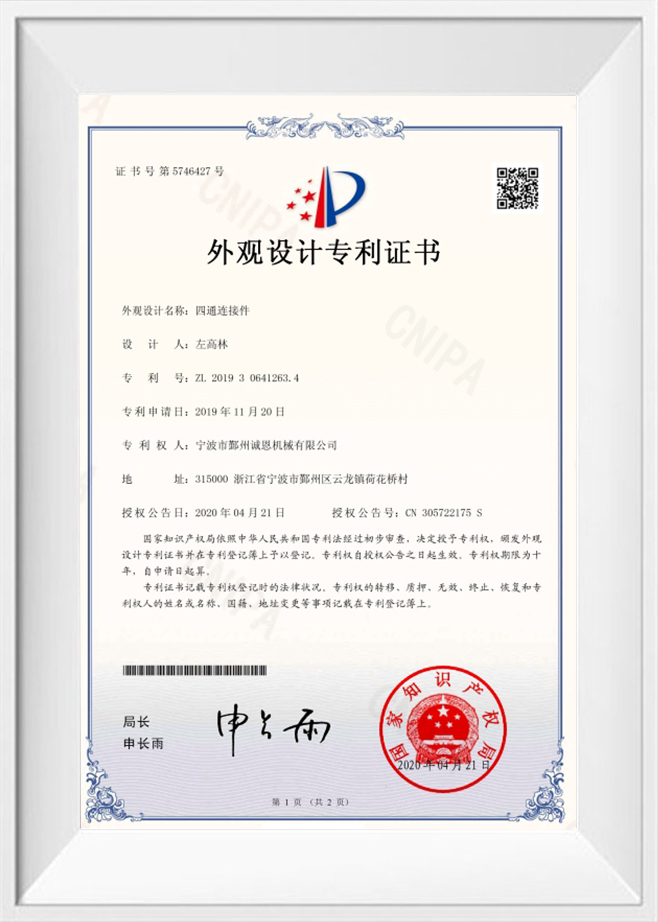
China has become a leading hub for die casting manufacturers and suppliers, offering high-quality, cost-effective solutions for a wide range of industries. NingBo YinZhou ChengEn Machinery Co., Ltd., established in 2008, is one of the key China-based manufacturers specializing in die cast parts. The company provides wholesale die cast parts solutions for global clients, offering high-strength components made from metals like aluminum, zinc, and magnesium.
With a modern production facility of 12,000 square meters and advanced equipment, NingBo YinZhou ChengEn Machinery Co., Ltd. ensures that every die cast part is produced with the highest standards of quality, precision, and durability. Their team of experts works closely with clients to provide customized die casting solutions tailored to specific needs, whether it's for automotive, aerospace, or industrial machinery applications.
Why Choose NingBo YinZhou ChengEn Machinery Co., Ltd.?
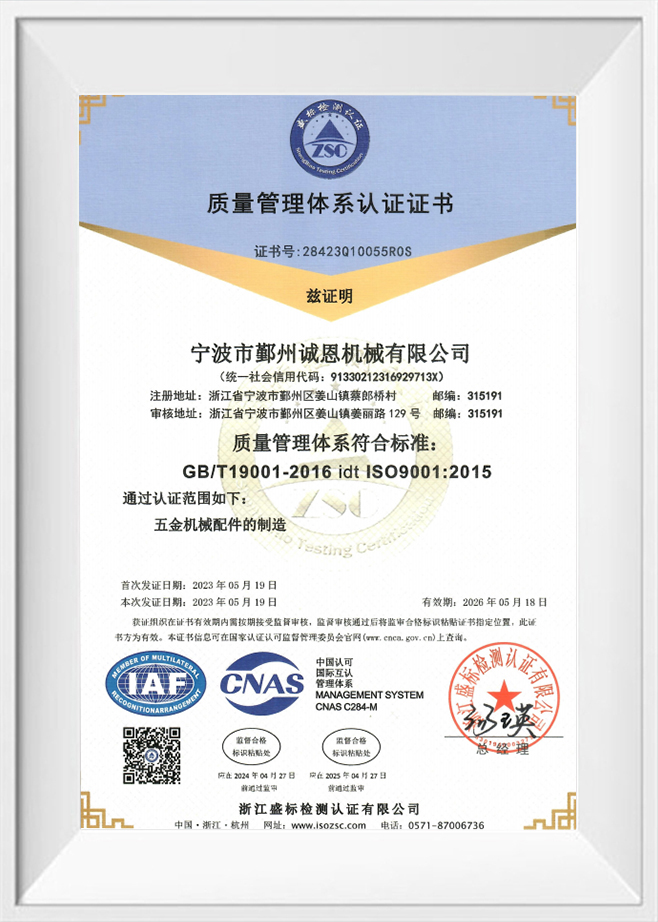
As a trusted die cast parts supplier in China, NingBo YinZhou ChengEn Machinery Co., Ltd. has earned a reputation for delivering high-quality parts that meet the rigorous demands of industries worldwide. The company focuses on providing innovative solutions, with a commitment to high precision and customer satisfaction.
- Advanced Technology: Utilizing state-of-the-art die casting machinery and a skilled technical team, the company produces parts that meet precise specifications.
- Customization: Whether you need a small batch or large-scale production, NingBo YinZhou ChengEn Machinery Co., Ltd. offers tailored solutions to suit your specific requirements.
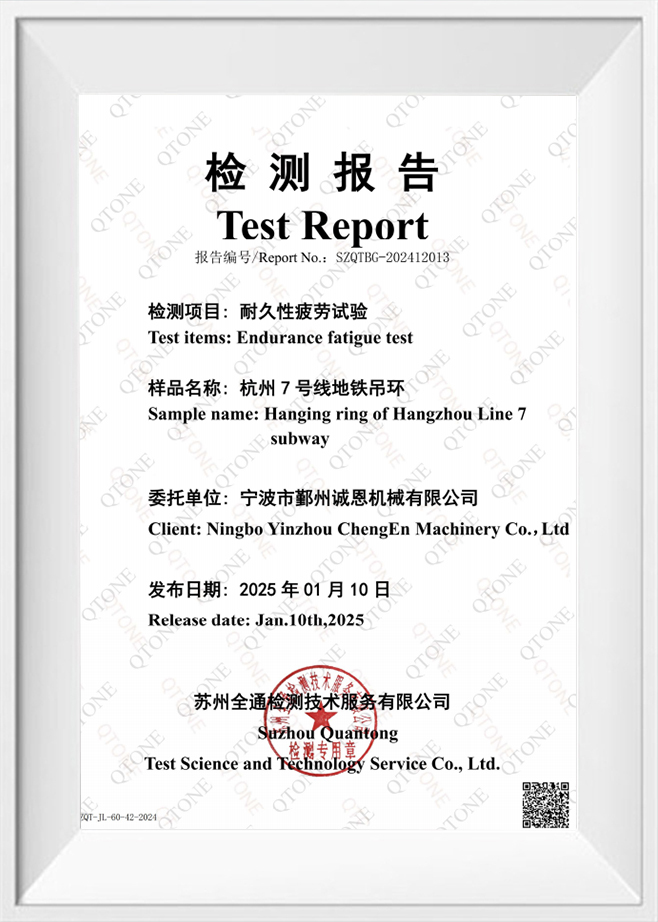
- Quality Assurance: Each part undergoes rigorous testing to ensure that it meets the highest standards of strength, accuracy, and surface finish.
FAQ
What is die casting?
Die casting is a manufacturing process where molten metal is injected into a mold under high pressure, creating parts with high precision and smooth surfaces. It’s commonly used for producing parts in automotive, electronics, and aerospace industries.
What materials are used in die casting?
Common materials for die casting include aluminum, zinc, magnesium, and copper alloys, each chosen based on the desired properties for the part.
How can NingBo YinZhou ChengEn Machinery Co., Ltd. help my business?
NingBo YinZhou ChengEn Machinery Co., Ltd. provides high-quality die cast parts solutions, offering customized products that meet the unique needs of various industries. The company uses advanced technology to ensure precision and durability in all parts.
Can I purchase die cast parts in bulk from NingBo YinZhou ChengEn Machinery Co., Ltd.?
Yes, the company offers wholesale die cast parts for large-scale production needs, ensuring cost-effective solutions for high-volume applications.
What industries use die cast parts?
Die cast parts are used in industries such as automotive, electronics, aerospace, industrial machinery, and consumer goods, among others.

 English
 Español
 русский