Introduction to CNC Machining Parts
CNC Machining Parts are essential components that are produced using Computer Numerical Control (CNC) machines, which allow for precise and automated machining processes. CNC machining is highly regarded for its ability to produce parts with exceptional accuracy and complexity, making it a favored method for manufacturing high-performance components across various industries. CNC machining is essential for companies that need parts with tight tolerances and intricate designs, and it offers the advantage of rapid production times, low error rates, and high repeatability.
The process involves using a computer program to control the movement of tools and machinery to create a part from a solid piece of material, often metal. Materials typically used in CNC machining include metals like aluminum, stainless steel, and titanium, which are valued for their strength, durability, and resistance to corrosion. With the flexibility to machine complex shapes, CNC machining is used in industries ranging from aerospace to automotive, electronics, and medical devices.
One of the key benefits of CNC machining is its precision. The process allows for the creation of highly detailed components that meet stringent requirements. CNC machining can produce both simple parts and highly complex geometries with exceptional consistency. This ensures that the final product meets the specific requirements of the application, whether it is for aerospace parts that must withstand high stresses or for medical devices that require precise specifications.
Another significant advantage of CNC machining is its ability to handle a wide range of materials. From lightweight aluminum to high-strength alloys like stainless steel and titanium, CNC machining is versatile enough to produce parts for diverse applications. The ability to choose the right material for the application, combined with CNC machining’s high accuracy, makes it the ideal solution for a broad spectrum of industries.
Why CNC Machining Parts Are Important
CNC Machining Parts are an essential component of modern manufacturing due to the numerous advantages they provide, especially when compared to traditional manufacturing methods like casting or machining. One of the most significant benefits of CNC machining is its high precision. The process ensures that each part is produced to exact specifications, with tight tolerances and uniformity. This precision is vital for industries such as automotive, electronics, and aerospace, where even the smallest variations in size or shape can compromise the performance and safety of the final product. Components like engine blocks, electrical connectors, and aircraft components must fit together perfectly to function optimally. CNC machining ensures this level of accuracy is achieved consistently, making it a preferred choice for critical applications.
In addition to precision, CNC machining is also renowned for its efficiency. The molds used in the process can be reused thousands of times without significant wear, significantly reducing production costs over large-scale runs. This reusability makes CNC machining a cost-effective solution, particularly for high-volume production, as the cost per part decreases with each additional cycle. Manufacturers can produce thousands of identical parts quickly and at a lower cost than alternative manufacturing processes, making it an ideal choice for industries requiring large quantities of parts, such as automotive suppliers or consumer electronics manufacturers.
The superior strength and durability of CNC-machined parts are another critical factor in their importance. Parts produced via CNC machining tend to be stronger and more resistant to wear compared to those made through traditional casting methods. The uniformity and density of the material created during the CNC machining process result in parts with fewer internal defects, such as porosity or gas holes. This means the final components are less likely to fail under stress, making them ideal for high-stress environments, such as in the automotive, aerospace, and heavy machinery industries. The fine-grain structure formed during the CNC machining process also contributes to the high mechanical properties, including tensile strength, fatigue resistance, and impact toughness.
Materials in CNC Machining
Materials Used in CNC Machining: Aluminum, Stainless Steel, Titanium, Copper Alloys
The materials used in CNC machining are critical to determining the final product's performance, as different materials offer unique properties suitable for specific applications. Common materials include aluminum, stainless steel, titanium, and copper alloys.
Aluminum CNC Machining
Aluminum is one of the most popular materials used in CNC machining, and for good reason. This material is highly sought after due to its lightweight nature and corrosion resistance, making it ideal for components that need to perform well under challenging environmental conditions while keeping the overall weight of the product low. As a result, aluminum is commonly used in industries such as automotive, aerospace, and electronics.
Stainless Steel CNC Machining
Stainless Steel is chosen for its durability, resistance to wear, and corrosion resistance. It is frequently used in industries like medical devices, industrial equipment, and construction, where strength and longevity are essential.
Titanium CNC Machining
Titanium has a remarkable strength-to-weight ratio, corrosion resistance, and biocompatibility, making it ideal for critical applications in industries like aerospace, medical implants, and automotive. Its high strength makes it perfect for high-performance components.
Copper Alloys CNC Machining
Copper alloys offer excellent conductivity, corrosion resistance, and durability. These properties make copper alloys suitable for electronics, electrical components, and various other high-precision applications.
Customization and Precision in CNC Machining
Customization for Unique Designs
CNC machining excels in customization, making it ideal for producing unique components tailored to specific applications or customer requirements. This flexibility is particularly important in industries such as medical device manufacturing, where parts must meet stringent regulations and be customized to fit individual patient needs. CNC machining allows for the precise customization of parts, whether it’s a single prototype for testing or a series of parts for mass production.
High Precision for Specialized Applications
CNC machining is widely recognized for its remarkable precision, which is essential when creating parts for specialized applications that demand strict tolerances. CNC machines can consistently produce components with extremely tight dimensional accuracy, ensuring that each part meets the exact specifications required for its intended purpose. This precision is particularly critical in industries such as aerospace, automotive, and medical device manufacturing, where even the smallest deviation from the required dimensions could lead to failure.
Material Versatility
Another significant benefit of CNC machining is its ability to work with a wide range of materials, from lightweight aluminum to high-strength alloys like stainless steel, titanium, and even composites. This versatility allows manufacturers to produce parts that meet the specific demands of various industries, ensuring that the material properties are optimized for the intended application.
Why Choose CNC Machining Parts?
CNC machining is highly valued for its exceptional ability to produce parts with tight tolerances, ensuring that each component is crafted to meet the most precise measurements. This makes it a go-to choice in industries that demand accuracy, such as automotive, aerospace, and electronics. The process delivers consistent quality, producing parts that not only fit perfectly but also meet the performance requirements of their intended application. Additionally, CNC machining can handle a wide variety of materials, including metals, plastics, and composites, which makes it versatile for use in many different sectors.
Common Applications of CNC Machining Parts
CNC Machining Parts are used in numerous industries due to their precision, versatility, and cost-effectiveness. Below are some key sectors and applications where CNC machining plays a vital role:
Aerospace Industry
In the aerospace industry, CNC machining is crucial for the production of precision components for aircraft and space vehicles. These parts must meet stringent regulations and endure extreme conditions, including high altitudes, intense pressure, and fluctuating temperatures. CNC machining ensures that critical parts such as turbine blades, engine casings, and support structures function flawlessly even in the most demanding environments. The high precision and repeatability offered by CNC machining ensure that each part meets the exacting standards required for aerospace applications, where safety and reliability are paramount.
Automotive Industry
In the automotive sector, CNC machining is widely used for the production of engine components, transmission parts, suspension elements, and various other high-performance parts. These parts must exhibit exceptional strength, durability, and resistance to wear and tear to withstand the constant stresses and temperatures found in vehicles. CNC machining enables manufacturers to create intricate parts with tight tolerances, ensuring that components fit and perform precisely as intended. From high-performance engines in racing cars to the latest electric vehicle technology, CNC machining ensures that automotive parts are both reliable and efficient.
Electronics Industry
The electronics industry relies heavily on CNC machining for producing components that demand high precision, fine surface finishes, and intricate designs. Parts such as connectors, housings, heat sinks, and enclosures are often manufactured using CNC machining techniques to ensure they meet the technical specifications and aesthetic requirements of modern electronic devices. CNC machining is also ideal for creating complex housings for consumer electronics, such as smartphones, laptops, and wearables, where precision and sleek aesthetics are essential. The ability to work with a wide variety of materials, including metals and plastics, further enhances the versatility of CNC machining in electronics manufacturing.
Medical Devices Industry
In the medical device industry, CNC machining is an indispensable process for producing components that must meet stringent tolerances and biocompatibility standards. Medical devices such as surgical instruments, diagnostic devices, and implantable components require the highest level of precision to ensure that they function effectively and safely within the human body. The demand for accuracy in these parts is critical, as even the slightest variation in dimensions can compromise performance, safety, or the success of medical procedures.
The materials used in CNC machining for medical applications are specifically chosen to be biocompatible. This means that the materials must not cause adverse reactions when they come into contact with human tissues, blood, or bodily fluids. For instance, stainless steel, titanium, and certain specialized alloys are commonly used in the production of medical components. These materials not only offer the necessary mechanical strength and durability but also ensure that the parts are safe for long-term use in the body.
Prosthetics and Custom Medical Parts
Custom medical parts, such as prosthetics and dental implants, are also produced using CNC machining. Prosthetics, which replace missing limbs or parts of limbs, are designed with utmost care to match the patient’s unique physical requirements. The precision of CNC machining allows for the production of prosthetic limbs with perfect alignment, ensuring they function as intended and provide comfort to the wearer. Similarly, dental implants, including crowns, bridges, and denture components, require high precision to ensure that they fit securely in a patient's mouth, are durable, and look natural.
Customization Capabilities in CNC Machining
CNC machining offers exceptional customization capabilities, making it ideal for producing components that meet the unique requirements of various industries. Whether it’s for a single prototype or a series of parts for mass production, CNC machining can deliver highly specialized products tailored to exact specifications. This is particularly important in industries like medical device manufacturing, where parts must meet regulatory standards and be customized for individual needs.
In automotive design, CNC machining can also be used to produce custom parts for high-performance vehicles, meeting the specific needs of engineers and customers alike. The flexibility of CNC machining allows for the creation of unique designs that meet both aesthetic and functional requirements, providing manufacturers with an invaluable tool for innovation.
Cost Efficiency in CNC Machining
One of the standout features of CNC machining is its cost-efficiency. While the initial setup costs for tooling and programming may be relatively high, the long-term savings come from its high precision and low error rate. Once the machine is programmed and set up, the cost of production per part decreases significantly, especially when producing large quantities. This makes CNC machining a highly efficient and cost-effective solution for high-volume production, where large orders of high-quality parts are required.
The high repeatability of CNC machining ensures that each part produced will have the same high quality as the first. This consistency leads to reduced costs associated with rework, quality control checks, and product defects. The combination of lower material waste, fewer defects, and faster production times makes CNC machining a cost-efficient solution for large-scale manufacturing.
Common Applications of CNC Machining Parts
| Material |
Properties |
Common Uses |
| Aluminum |
Lightweight, corrosion-resistant, ideal for high-strength components. |
Automotive, aerospace, electronics |
| Stainless Steel |
Strong, durable, highly resistant to corrosion and wear. |
Medical devices, industrial equipment |
| Titanium |
High strength-to-weight ratio, corrosion-resistant, biocompatible. |
Aerospace, medical implants, automotive |
| Copper Alloys |
Excellent conductivity, corrosion-resistant, durable. |
Electronics, electrical components |
Aerospace
In the aerospace industry, CNC machining plays a pivotal role in the production of precision components for aircraft and space vehicles. These parts must meet stringent regulations and endure extreme conditions, including high altitudes, intense pressure, and fluctuating temperatures. CNC machining is crucial for crafting complex components such as turbine blades, engine housings, and structural supports. The high precision and repeatability offered by CNC machining ensure that each part meets the exacting standards required for aerospace applications, where safety and reliability are paramount. Whether for commercial airliners or advanced space exploration vehicles, CNC-machined parts help ensure that critical components perform under the most demanding conditions.
Automotive
In the automotive sector, CNC machining is widely used for the production of engine components, transmission parts, suspension elements, and various other high-performance parts. These parts must exhibit exceptional strength, durability, and resistance to wear and tear to withstand the constant stresses and temperatures found in vehicles. CNC machining enables manufacturers to create intricate parts with tight tolerances, ensuring that components fit and perform precisely as intended. From high-performance engines in racing cars to the latest electric vehicle technology, CNC machining ensures that automotive parts are both reliable and efficient. The ability to produce both large-scale production runs and custom-designed parts allows automotive manufacturers to meet the diverse needs of the market.
Electronics
The electronics industry relies heavily on CNC machining for producing components that demand high precision, fine surface finishes, and intricate designs. Parts such as connectors, housings, heat sinks, and enclosures are often manufactured using CNC machining techniques to ensure they meet the technical specifications and aesthetic requirements of modern electronic devices. In particular, heat sinks—critical for the cooling of electronic components—must be designed with precise geometry and surface texture to optimize heat dissipation. CNC machining is also ideal for creating complex housings for consumer electronics, such as smartphones, laptops, and wearables, where precision and sleek aesthetics are essential. The ability to work with a wide variety of materials, including metals and plastics, further enhances the versatility of CNC machining in electronics manufacturing.
Medical Devices
In the medical device industry, CNC machining is an indispensable process for producing components that must meet stringent tolerances and biocompatibility standards. Medical devices, such as surgical instruments, diagnostic devices, and implantable components, require the highest level of precision to ensure that they function effectively and safely within the human body. The demand for accuracy in these parts is critical, as even the slightest variation in dimensions can compromise performance, safety, or the success of medical procedures.
The materials used in CNC machining for medical applications are specifically chosen to be biocompatible. This means that the materials must not cause adverse reactions when they come into contact with human tissues, blood, or bodily fluids. For instance, stainless steel, titanium, and certain specialized alloys are commonly used in the production of medical components. These materials not only offer the necessary mechanical strength and durability but also ensure that the parts are safe for long-term use in the body.
FAQ
What are CNC Machining Parts?
CNC machining parts are components manufactured using Computer Numerical Control machines, which offer high precision and the ability to produce complex shapes and designs.
What industries use CNC machining parts?
CNC machining parts are widely used in industries like automotive, aerospace, electronics, medical devices, and more.
Why should I choose CNC machining for my parts?
CNC machining offers exceptional precision, versatility, and cost-efficiency, making it ideal for both low and high-volume production of complex parts.
What materials can be used for CNC machining?
Common materials include aluminum, stainless steel, titanium, and other metals, with the choice of material depending on the part's performance requirements.
Does NingBo YinZhou ChengEn Machinery Co., Ltd. offer CNC machining services?
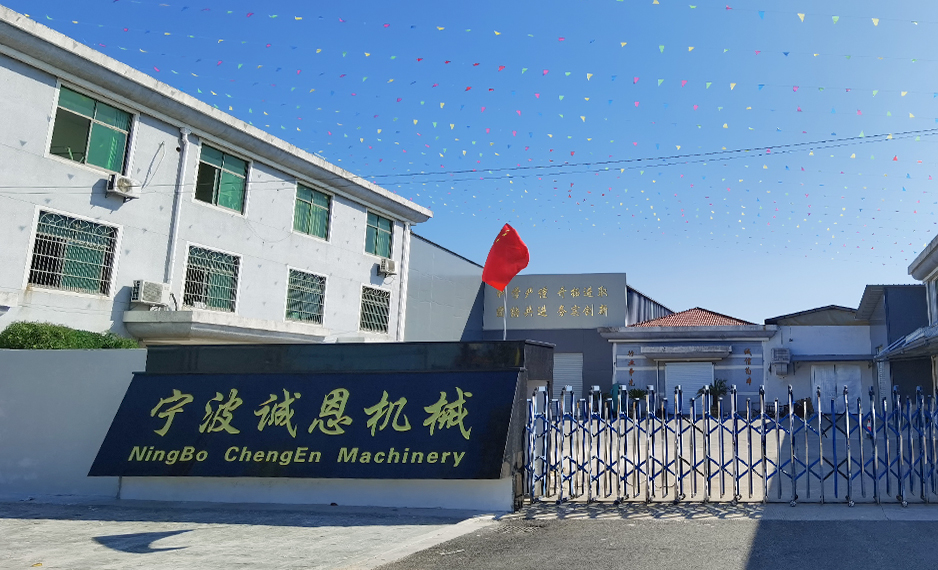
Yes, NingBo YinZhou ChengEn Machinery Co., Ltd. is a leading supplier and manufacturer of CNC machining parts, offering wholesale solutions for industries globally.

 English
 Español
 русский