About The Silica Sol Casting Parts
The Silica Sol Casting Parts industry is an essential component of modern manufacturing, particularly in industries that demand high-precision, complex geometries, and custom-made metal components. Also known as the sol-gel casting process, this advanced technique utilizes silica sol—a colloidal solution of silica particles suspended in water—to create highly detailed molds for metal casting.
This casting method is widely recognized for its ability to produce parts with exceptional dimensional accuracy, smooth surface finishes, and fine internal structures. As a result, Silica Sol Casting Parts are extensively used in industries such as aerospace, automotive, medical devices, and heavy machinery, where reliability and performance are non-negotiable.
With the continuous growth in demand for high-performance components and precision-engineered metal parts, Silica Sol Casting Parts manufacturers are increasingly adopting innovative production techniques to deliver cost-effective, high-quality, and scalable casting solutions for global markets.
Silica Sol Casting Parts Industry Knowledge
The Silica Sol Casting Parts industry plays a critical role in advanced manufacturing systems that require tight tolerances and complex structural designs. By using silica sol as the primary bonding agent in mold creation, manufacturers are able to replicate extremely fine details that are often unattainable through traditional sand casting or gravity casting methods.
This process is especially valuable for producing precision metal parts that require minimal post-machining. The ability to significantly reduce secondary machining operations not only improves production efficiency but also helps manufacturers control costs while maintaining consistent product quality.
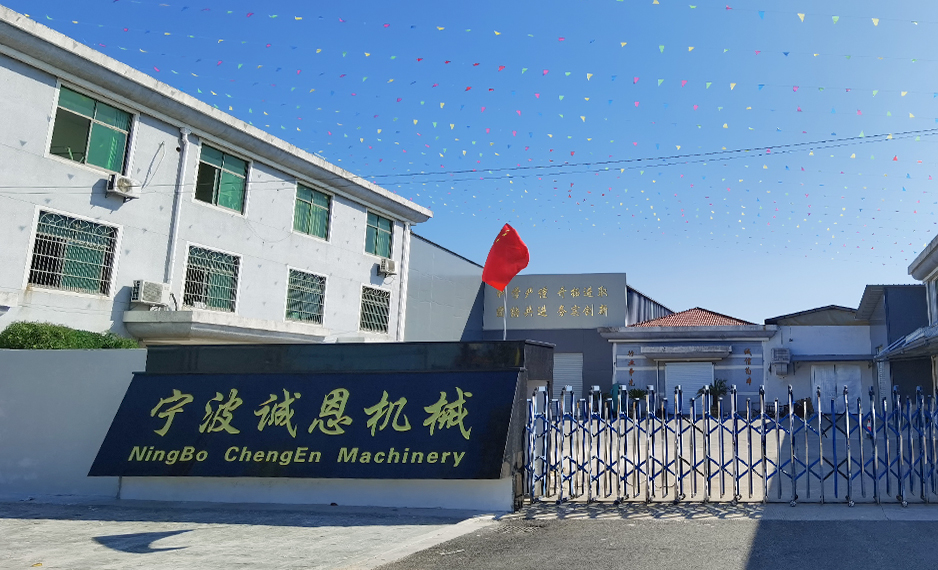
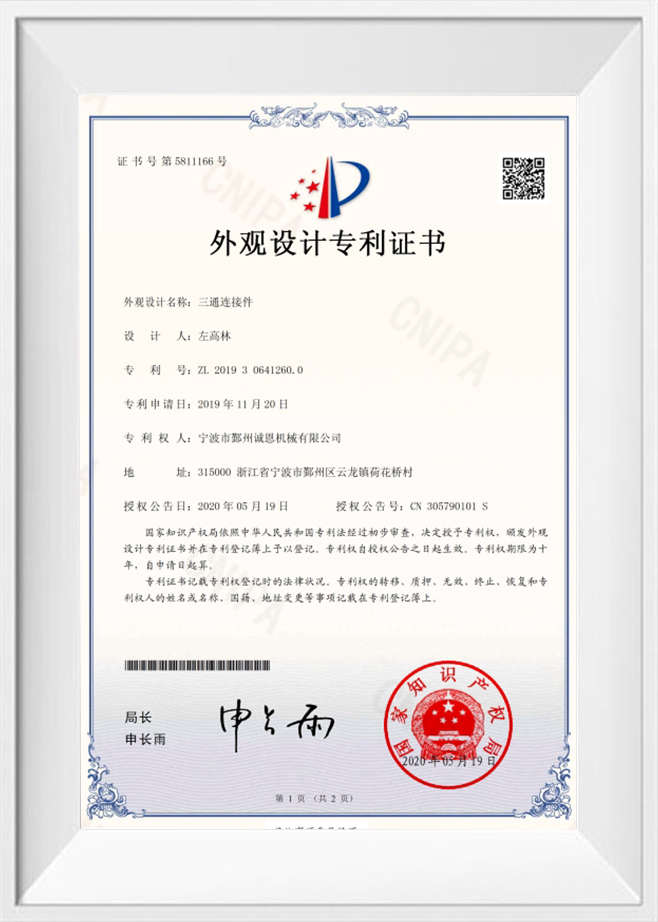
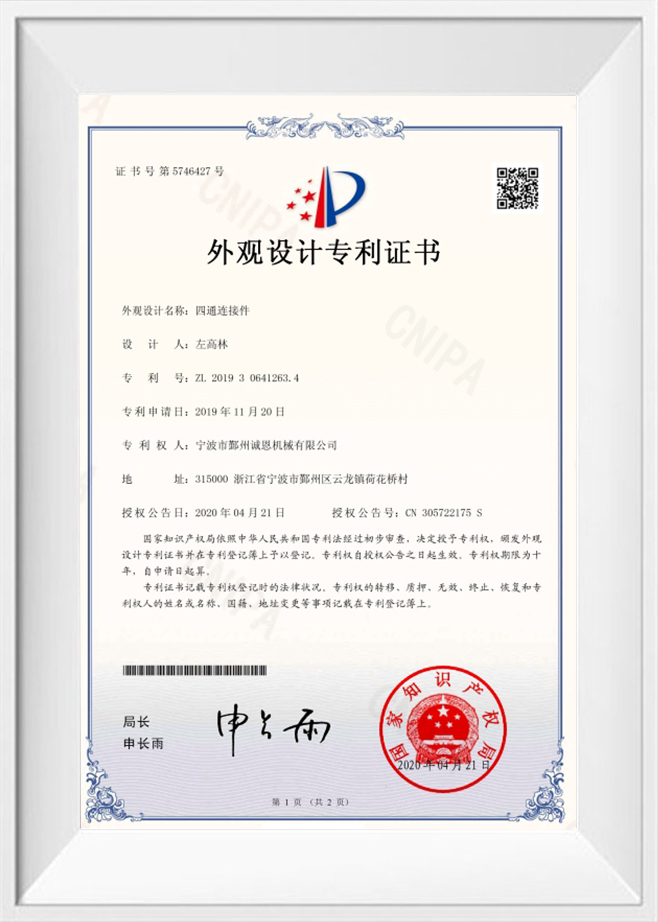
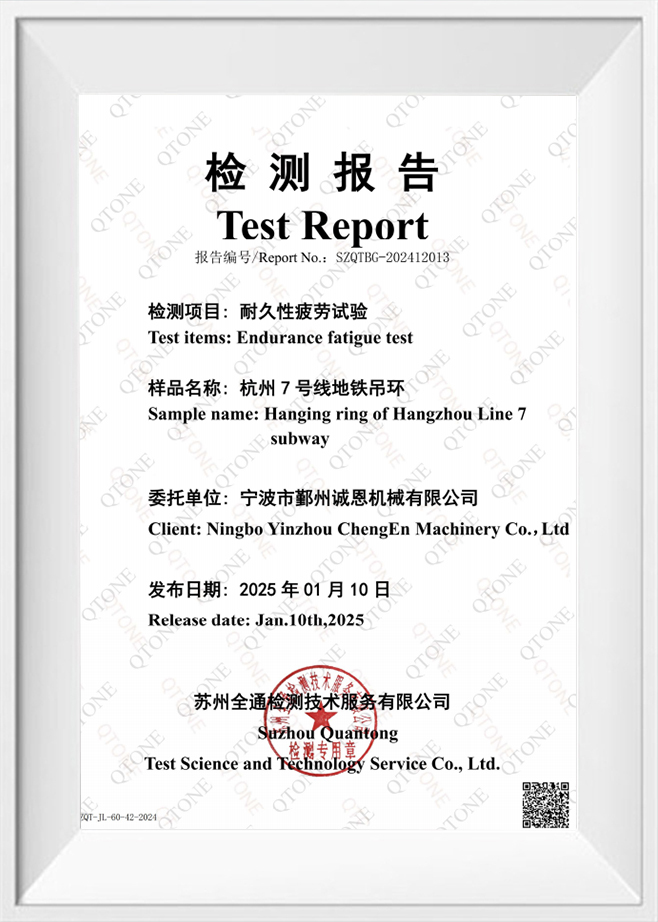
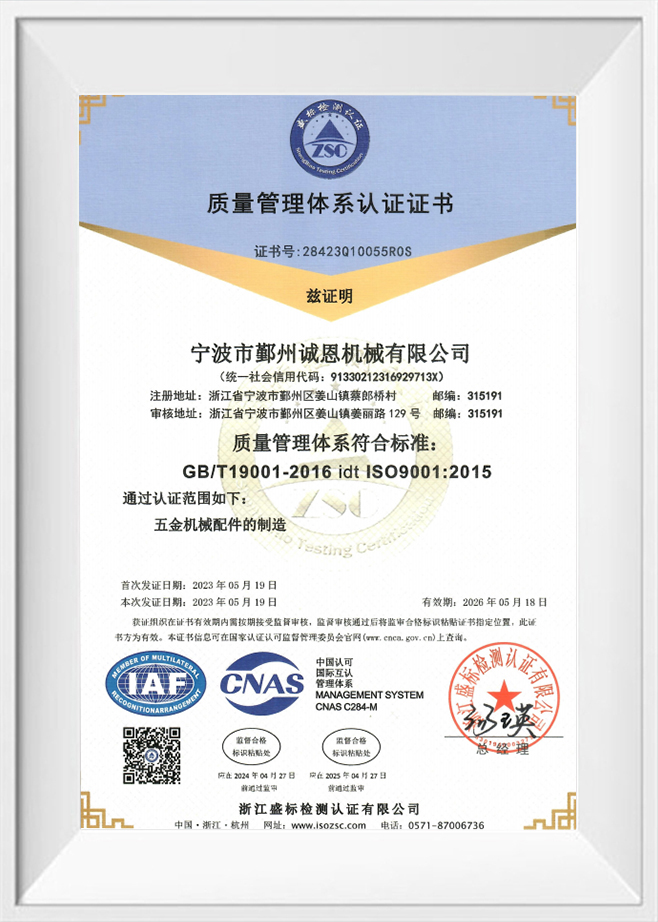
NingBo YinZhou ChengEn Machinery Co., Ltd.
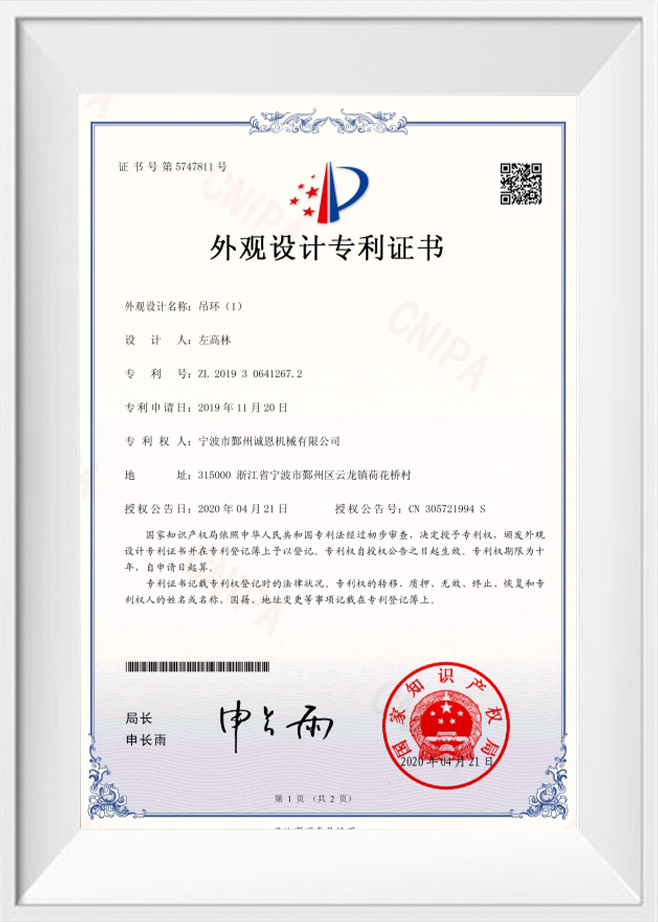
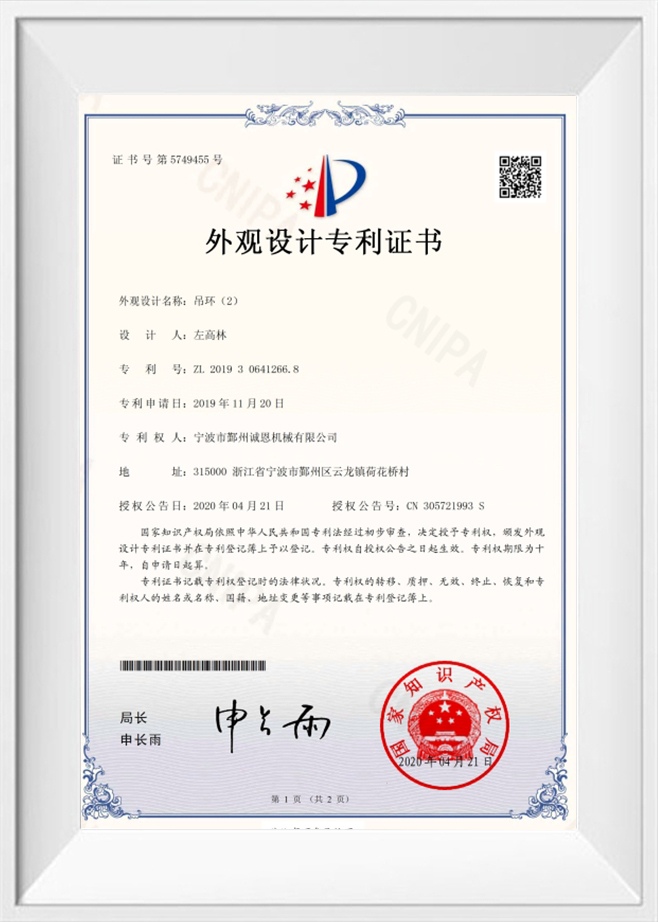
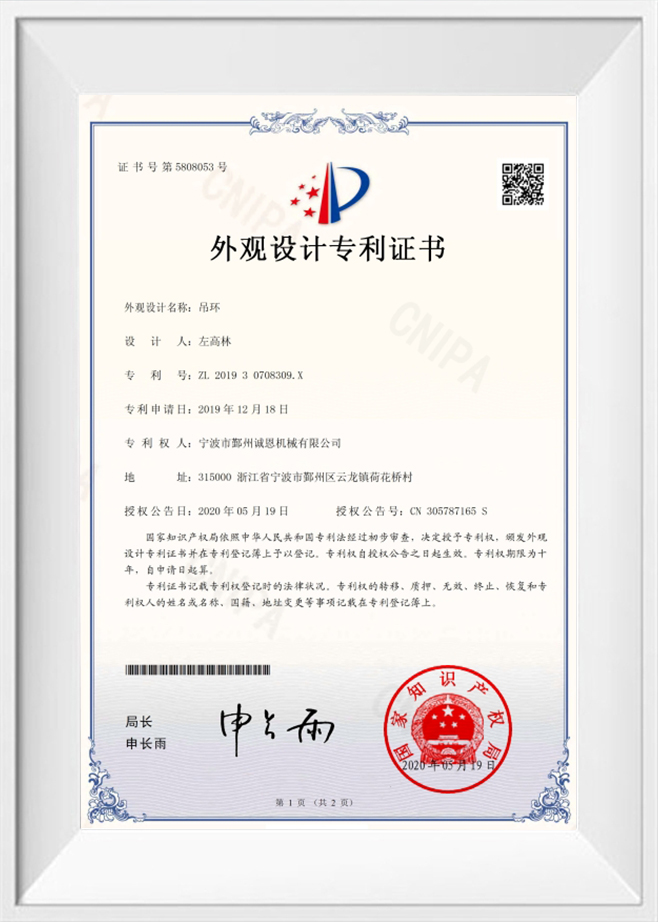
NingBo YinZhou ChengEn Machinery Co., Ltd. was established in 2008 and is a professional manufacturing enterprise integrating casting and precision machining. The company is committed to providing customers with high-quality one-stop manufacturing solutions across multiple industrial sectors.
Located in Jiangshan Town, Yinzhou District, Ningbo City, the company operates a modern production base covering more than 12,000 square meters. Equipped with advanced production equipment and supported by a professional technical team, ChengEn Machinery has earned widespread recognition for its excellent manufacturing capabilities and strict quality control systems.
As a reliable China Silica Sol Casting Parts manufacturer and supplier, ChengEn Machinery offers wholesale Silica Sol Casting Parts to customers worldwide, delivering components that meet or exceed international quality standards.
China’s Role in the Global Silica Sol Casting Parts Market
In recent years, China has emerged as a dominant force in the global Silica Sol Casting Parts market, supported by its advanced manufacturing infrastructure, skilled workforce, and continuous technological innovation. Chinese Silica Sol Casting Parts suppliers are widely recognized for delivering high-quality, durable, and cost-effective casting solutions.
By offering flexible wholesale Silica Sol Casting Parts services, Chinese manufacturers are able to support a wide range of industries, from aerospace and automotive to medical devices and heavy equipment. This ability to scale production while maintaining precision has made China a preferred sourcing destination for global buyers.
Industry Applications of Silica Sol Casting Parts
| Industry |
Applications |
Key Components |
| Aerospace |
Aircraft engine parts, turbine blades |
Titanium alloys, gas turbines |
| Automotive |
Engine components, turbochargers |
Cylinder heads, transmission parts, pistons |
| Medical Devices |
Surgical tools, implants, diagnostic equipment |
Scalpels, orthopedic devices, sensors |
| Heavy Machinery |
Engine blocks, hydraulic components |
Gears, pumps, hydraulic valves |
Silica Sol Casting Parts Manufacturing Process
The Silica Sol Casting Parts process begins with the creation of a highly detailed mold using silica sol as the primary binder. This mold formation stage is critical, as it determines the final dimensional accuracy and surface quality of the cast component. Once the mold is shaped, it is carefully hardened through controlled heating, ensuring structural stability and resistance to deformation during metal pouring.
After the mold has been fully cured and cooled, molten metal is poured into the cavity, allowing it to fill even the most intricate internal channels and thin-wall sections. The high fluidity achieved in Silica Sol Casting Parts enables manufacturers to replicate extremely fine features that are difficult to achieve with conventional casting methods.
Once the metal solidifies, the mold is removed, resulting in a finished metal component that typically requires minimal post-processing. This advantage significantly reduces the need for extensive machining, grinding, or polishing, allowing manufacturers to save both time and production costs while maintaining exceptional quality standards.
Key Advantages of Silica Sol Casting Parts
One of the most significant advantages offered by Silica Sol Casting Parts manufacturers is the ability to produce highly accurate metal components with complex geometries. These intricate shapes would be extremely difficult—or even impossible—to achieve using traditional casting or machining techniques.
This level of precision is especially critical in industries such as aerospace and medical device manufacturing, where tight tolerances directly impact product safety and functional performance. By reducing the need for secondary machining operations, Silica Sol Casting Parts help manufacturers shorten lead times, lower overall costs, and ensure consistent product quality.
Additionally, Silica Sol Casting Parts suppliers continuously refine their production methods to meet the evolving requirements of global industries. The adoption of high-performance materials, including titanium alloys and specialty metals, allows manufacturers to deliver components with enhanced strength, wear resistance, and thermal stability.
Silica Sol Casting Parts, particularly in industries where components are exposed to extreme temperatures, high mechanical stress, and corrosive operating environments. By leveraging the inherent properties of these alloys, manufacturers can produce parts that maintain dimensional accuracy and structural integrity even under prolonged and demanding service conditions.
In the aerospace industry, for example, the use of titanium alloys and nickel-based superalloys in Silica Sol Casting Parts enables the production of lightweight yet exceptionally durable components. These materials offer an optimal balance between strength-to-weight ratio and thermal resistance, which is critical for aircraft engine components, turbine blades, and structural parts subjected to continuous thermal cycling. Through the silica sol casting process, manufacturers can precisely control microstructures, ensuring consistent performance across complex geometries.
Similarly, in medical device manufacturing, specialty metals and biocompatible alloys are widely adopted to meet strict requirements for patient safety, corrosion resistance, and long-term reliability. Silica Sol Casting Parts allows manufacturers to produce implants and surgical instruments with smooth surface finishes, high dimensional accuracy, and intricate internal structures, reducing the need for extensive secondary machining while maintaining compliance with international medical standards.
The integration of high-performance materials also significantly enhances the performance of automotive and industrial components. In automotive applications, silica sol casting enables the production of engine components, turbocharger housings, and transmission parts that must withstand high rotational speeds, thermal loads, and mechanical fatigue. The ability to cast thin-walled yet robust parts contributes directly to weight reduction and fuel efficiency improvements, supporting the industry's shift toward energy-efficient and electric vehicle platforms.
Beyond performance benefits, the use of advanced alloys in Silica Sol Casting Parts also improves overall manufacturing efficiency. Because the silica sol process produces near-net-shape components, material waste is minimized, and post-processing requirements are significantly reduced. This results in lower production costs, shorter lead times, and greater consistency in large-scale manufacturing, making it an attractive solution for both custom projects and high-volume orders.
As global industries continue to evolve, the combination of high-performance materials and precision silica sol casting technology is becoming increasingly important. Manufacturers that invest in advanced material selection and process optimization are better positioned to meet rising demands for high-strength, high-precision, and long-life components. This ongoing material innovation ensures that Silica Sol Casting Parts remain a core manufacturing solution across aerospace, automotive, medical, and heavy industrial sectors.
Key Applications of Silica Sol Casting Parts
Aerospace Industry
In the aerospace industry, Silica Sol Casting Parts are widely used to manufacture components that must withstand extreme temperatures, high pressure, and continuous mechanical stress while maintaining precise dimensional stability. Typical applications include aircraft engine components, turbine blades, fuel nozzles, and gas turbine parts, all of which demand exceptionally tight tolerances and reliable material performance.
The silica sol casting process enables the production of thin-walled structures and complex internal geometries, such as cooling channels within turbine blades, which are critical for heat dissipation in high-temperature environments. By using titanium alloys and nickel-based superalloys, manufacturers can achieve an optimal balance of lightweight design, mechanical strength, and thermal resistance, directly contributing to improved fuel efficiency and operational safety in aerospace systems.
Automotive Industry
In the automotive sector, Silica Sol Casting Parts are extensively applied in the production of engine components, transmission parts, turbocharger housings, and structural elements. Modern vehicle design increasingly relies on components with complex geometries and high-performance material properties to meet strict requirements for efficiency, durability, and emissions reduction.
The precision of silica sol casting allows automotive manufacturers to produce parts with tight tolerances and consistent quality, even in high-volume production. Additionally, the ability to cast lightweight yet high-strength components supports the development of electric vehicles (EVs) and hybrid powertrains, where weight reduction plays a crucial role in extending driving range and improving overall vehicle performance.
Medical Device Industry
The medical device industry places extremely high demands on precision, surface quality, and biocompatibility, making Silica Sol Casting Parts an ideal manufacturing solution. Common applications include surgical instruments, orthopedic implants, dental components, and diagnostic equipment parts.
Through silica sol casting, manufacturers can produce medical components with smooth surfaces, fine details, and complex internal structures that are difficult to achieve using traditional machining methods. The use of biocompatible stainless steels and titanium alloys ensures that implants and instruments meet strict medical standards while offering long-term reliability and patient safety.
Heavy Machinery and Industrial Equipment
Silica Sol Casting Parts are also widely used in heavy machinery and industrial equipment manufacturing, where components must endure high loads, abrasive conditions, and harsh operating environments. Typical parts include engine blocks, hydraulic components, gears, pumps, and valves.
The strength and durability provided by silica sol casting allow these components to maintain performance over long service cycles. At the same time, the process supports the use of high-strength alloys that deliver improved resistance to wear, corrosion, and thermal fatigue, ensuring reliable operation in demanding industrial applications such as mining, construction, and manufacturing.
Why Choose Silica Sol Casting Parts?
Silica Sol Casting Parts offer a unique combination of high precision, material versatility, and manufacturing efficiency. Compared with traditional casting methods, silica sol casting produces parts with superior surface finish and near-net-shape accuracy, significantly reducing the need for secondary machining.
This process is especially advantageous for producing complex geometries and thin-walled structures, making it suitable for industries where design flexibility and performance optimization are critical. By minimizing material waste and post-processing time, silica sol casting also helps manufacturers achieve cost-effective production without compromising quality.
Industry Trends and Future Developments
The Silica Sol Casting Parts industry continues to evolve in response to global trends such as sustainability, automation, and advanced manufacturing. Manufacturers are increasingly adopting eco-friendly materials and optimizing casting processes to reduce energy consumption and environmental impact.
At the same time, the rapid growth of electric vehicles, renewable energy systems, and smart industrial equipment is driving demand for lighter, stronger, and more precise components. Silica sol casting plays a vital role in supporting these technologies by enabling the production of parts that meet both performance and sustainability requirements.
FAQ
What is Silica Sol Casting Parts?
Silica Sol Casting Parts is a precision casting process that uses silica sol molds to produce metal components with high dimensional accuracy, fine surface finish, and complex geometries. It is widely used in aerospace, automotive, medical, and industrial applications.
What are the main advantages of Silica Sol Casting Parts?
The key advantages include high precision, minimal post-processing, material versatility, and excellent mechanical performance. These benefits make silica sol casting ideal for high-performance and custom-made components.
Which materials can be used in Silica Sol Casting Parts?
Common materials include stainless steel, carbon steel, titanium alloys, superalloys, and aluminum alloys. Material selection depends on application requirements such as strength, corrosion resistance, and thermal performance.
Can Silica Sol Casting Parts be customized?
Yes, Silica Sol Casting Parts manufacturers can provide fully customized solutions, from prototype development to mass production. The process supports flexible design changes while maintaining consistent quality and performance.
Why are Chinese Silica Sol Casting Parts suppliers competitive?
Chinese suppliers combine advanced manufacturing infrastructure, skilled technical teams, and cost-effective production capabilities. This allows them to deliver high-quality silica sol casting parts that meet international standards at competitive prices.

 English
 Español
 русский