Enhancing Urban Transit Through Advanced Bus/Subway Interior Components
As urban transportation systems continue to evolve, Bus/Subway Interior Components play a crucial role in enhancing passenger comfort, safety, and operational efficiency. These components form the structural and functional backbone of modern public transit interiors, ensuring that buses and subway cars deliver a well-organized, comfortable, and durable environment for daily commuters. From seating systems and handrails to interior panels and integrated lighting solutions, every component must meet strict standards for durability, ergonomic design, and long-term reliability under high-frequency use.
The design and production of Bus/Subway Interior Components require meticulous attention to material selection, functional performance, and visual integration. Whether it is the use of robust materials for interior panels or the ergonomic optimization of passenger seating, each detail directly impacts the overall travel experience. Many of these structural components are initially formed in a foundry environment, where metal casting processes create high-strength base parts that are later refined through machining and finishing. This combination of foundry-based manufacturing and precision processing ensures consistent quality, structural integrity, and design flexibility.
The increasing demand for high-performance interior systems has driven the growth of specialized Bus/Subway Interior Components manufacturers capable of delivering integrated, application-specific solutions. These manufacturers focus on producing components that align with international safety standards while supporting efficient installation and long service life. As a result, transportation operators worldwide increasingly rely on experienced suppliers who understand both engineering requirements and passenger-centric design principles.
China has emerged as a major force in the global Bus/Subway Interior Components industry, supported by advanced manufacturing infrastructure, cost-efficient production models, and scalable capacity. Wholesale Bus/Subway Interior Components are increasingly sourced from China, where leading Bus/Subway Interior Components suppliers combine foundry expertise, CNC machining, and modern assembly techniques to deliver reliable, high-quality products. With state-of-the-art facilities and skilled technical teams, Chinese manufacturers provide flexible solutions tailored to both large-scale transit projects and customized interior designs.
The design and production of Bus/Subway Interior Components demand continuous innovation. From reinforced interior panels to ergonomically optimized seating systems, every element is engineered to improve passenger experience while maintaining structural durability. This growing demand continues to fuel investment in advanced foundry processes, material science, and precision manufacturing technologies, positioning specialized manufacturers as key partners for transportation companies worldwide.
Key Benefits of Bus/Subway Interior Components
| Component |
Functionality |
Materials Used |
| Ergonomic Seating |
Provides structural support and reduces physical strain |
Memory foam, molded plastics |
| Handrails |
Provides stability for standing passengers |
Stainless steel, aluminum |
| Standing Platforms |
Enhances balance and safety during transit |
High-strength plastic, steel |
Passenger Comfort as a Core Design Priority
Passenger comfort is one of the most critical factors in the design of Bus/Subway Interior Components. As urban populations expand and public transportation usage intensifies, creating a comfortable and user-friendly interior environment becomes essential. Well-designed seating systems, ergonomically positioned handrails, and intelligently arranged interior layouts all contribute to a smoother and less fatiguing travel experience for commuters.
Modern Bus/Subway Interior Components manufacturers focus on optimizing spatial efficiency while maintaining comfort, especially in high-density vehicles. Advanced design approaches ensure that seating layouts maximize capacity without compromising passenger well-being, while interior components formed through foundry-based metal processing provide the structural reliability required for long-term use.
Comfortable Seating and Ergonomic Support
Comfortable seating is fundamental to ensuring a positive transit experience, particularly for long-distance commuters. Seats must support the body’s natural posture, reducing fatigue and physical stress. Bus/Subway Interior Components manufacturers commonly use materials such as memory foam and molded plastics, which provide both cushioning and durability. Beneath these surface materials, metal frames produced through foundry casting processes ensure strength, stability, and consistent load-bearing performance.
For standing passengers, strategically positioned handrails and grab bars provide essential support. These components must accommodate users of varying heights and physical conditions, ensuring accessibility and safety. Smooth surface finishes, combined with high-strength cores produced via foundry and machining integration, allow handrails to remain comfortable to grip while withstanding continuous use. Bus/Subway Interior Components suppliers prioritize these ergonomic and durability requirements to deliver long-lasting interior solutions.
Material Selection for Interior Components
| Material Type |
Advantages |
Disadvantages |
| Stainless Steel |
Corrosion-resistant, extremely durable |
Heavier weight, higher material cost |
| Aluminum Alloys |
Lightweight, rust-resistant |
Lower strength compared to stainless steel |
| High-performance Plastics |
Flexible, wear-resistant, cost-efficient |
Potential UV degradation over long-term exposure |
Climate Control Systems for Enhanced Passenger Comfort
Another critical element of Bus/Subway Interior Components is the integration of advanced climate control systems. These systems are essential for maintaining a stable, comfortable interior environment across varying weather conditions and passenger densities. In confined spaces such as buses and subway cars, effective air circulation, cooling, and heating are not optional—they are fundamental to passenger well-being, especially during long or crowded journeys.
During hot summer months, high-efficiency air conditioning systems help regulate interior temperatures, preventing heat buildup and discomfort. In colder seasons, reliable heating systems ensure warmth and prevent temperature fluctuations that could negatively impact passengers. Modern Bus/Subway Interior Components manufacturers integrate intelligent climate control technologies capable of automatically adjusting airflow and temperature based on passenger load and external conditions.
Many structural elements supporting these systems, such as vents, housings, and brackets, are initially formed through foundry processes before being refined via CNC machining. This ensures strength, dimensional stability, and long-term reliability. Leading Wholesale Bus/Subway Interior Components manufacturers—particularly in China—design climate control systems that comply with international standards for air quality, energy efficiency, and thermal comfort.
Reducing Passenger Fatigue in High-Density Transit Environments
Long commutes, especially during peak hours, often result in physical fatigue due to prolonged standing, limited personal space, and continuous vehicle movement. Reducing fatigue is therefore a primary objective in the design of Bus/Subway Interior Components. By prioritizing ergonomic support and intelligent layout planning, manufacturers significantly improve the daily commuting experience.
Strategically Placed Handrails and Standing Platforms
Standing for extended periods can place strain on the legs, back, shoulders, and joints. To mitigate this, strategically positioned handrails and standing platforms are essential interior components. These features provide critical support, helping passengers maintain balance and proper posture during acceleration, braking, and turns.
Bus/Subway Interior Components manufacturers design handrails at multiple heights to accommodate passengers of different statures and physical abilities. Beneath their ergonomic outer surfaces, many handrail structures rely on metal cores produced through foundry casting, ensuring load-bearing strength and long-term durability. Standing platforms, often reinforced with steel frames and high-strength plastics, distribute body weight more evenly and reduce fatigue in crowded areas.
Ergonomically Designed Seating for Long Commutes
While standing solutions are vital, ergonomically designed seating remains one of the most effective ways to reduce fatigue, particularly on longer routes. High-quality seating allows passengers to rest, recover, and maintain proper posture throughout the journey.
Bus/Subway Interior Components suppliers utilize memory foam, high-resilience padding, and molded plastics to achieve optimal comfort while ensuring durability. Seat frames, often produced via foundry-based metal casting, provide structural integrity and resistance to deformation under continuous use. Proper seat angles, supportive backrests, and well-positioned armrests help minimize muscle strain, back pain, and joint fatigue.
Comfort Optimization in High-Density Environments
In crowded buses and subway cars, comfort can easily be compromised if interior layouts are poorly designed. However, through intelligent placement of handrails, grab bars, and seating zones, Bus/Subway Interior Components manufacturers can significantly enhance comfort even in limited spaces.
Ergonomically distributed grab bars allow passengers to secure themselves without overreaching, while thoughtful seat-to-standing-space ratios prevent excessive crowding. Structural elements supporting these layouts often originate from foundry manufacturing processes, ensuring strength without excessive bulk. This balance between structural robustness and spatial efficiency is critical in modern transit design.
Designing for Long-Term Passenger Comfort
The ultimate goal of reducing fatigue is to provide long-term comfort for daily commuters. Bus/Subway Interior Components manufacturers continuously refine their designs to enhance ergonomics, durability, and user experience. From material selection to layout optimization, every design decision is aimed at minimizing physical strain and improving passenger well-being.
Through the integration of advanced materials, precision machining, and foundry-origin structural components, modern transit interiors achieve a balance between comfort, safety, and longevity. These improvements directly contribute to healthier, more sustainable urban transportation systems.
Accessibility and Inclusivity in Interior Design
Beyond general comfort, accessibility and inclusivity are essential considerations in modern public transportation. Bus/Subway Interior Components suppliers develop solutions that support passengers with disabilities, limited mobility, or special needs.
Features such as wider doorways, foldable priority seating, reinforced handrails, and low-reach grab bars ensure that transit systems are usable by all passengers. Many of these components incorporate foundry-produced metal supports to ensure strength while maintaining user-friendly design.
Space Optimization for High-Density Transit Systems
In peak-hour conditions, space optimization becomes a decisive factor in passenger comfort and operational efficiency. Efficient interior layouts reduce congestion, improve movement flow, and enhance overall ride quality. Bus/Subway Interior Components manufacturers apply modular design principles to maximize usable space without reducing capacity.
Modular Seating Systems
Modular seating systems offer unparalleled flexibility compared to fixed seating arrangements. These systems can be reconfigured to adapt to changing passenger volumes, allowing operators to increase standing space during peak periods and restore seating during off-peak hours.
Seat frames and support structures, frequently produced using foundry casting techniques, provide durability while allowing modular adaptability. This approach enables transportation systems to respond dynamically to daily usage patterns.
Collapsible and Foldable Seating Solutions
Collapsible and foldable seating further enhances spatial efficiency by allowing rapid transitions between seated and standing configurations. These seats can be stowed during high-traffic periods and deployed when passenger density decreases.
By integrating these space-saving solutions, Wholesale Bus/Subway Interior Components suppliers help create adaptable transit environments capable of handling fluctuating demand. Reinforced hinges and mounting structures—often originating from foundry manufacturing—ensure long-term reliability even under frequent operation.
Through intelligent space management, ergonomic design, and robust manufacturing practices, Bus/Subway Interior Components play a decisive role in improving comfort, accessibility, and efficiency across modern urban transportation systems.
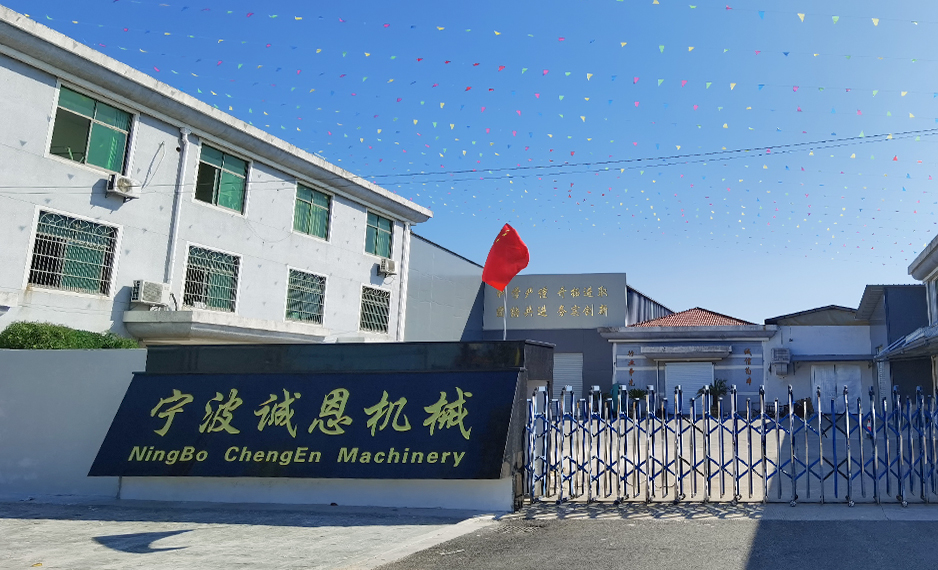
Why Choose NingBo YinZhou ChengEn Machinery CO.,Ltd. for Your Bus/Subway Interior Components
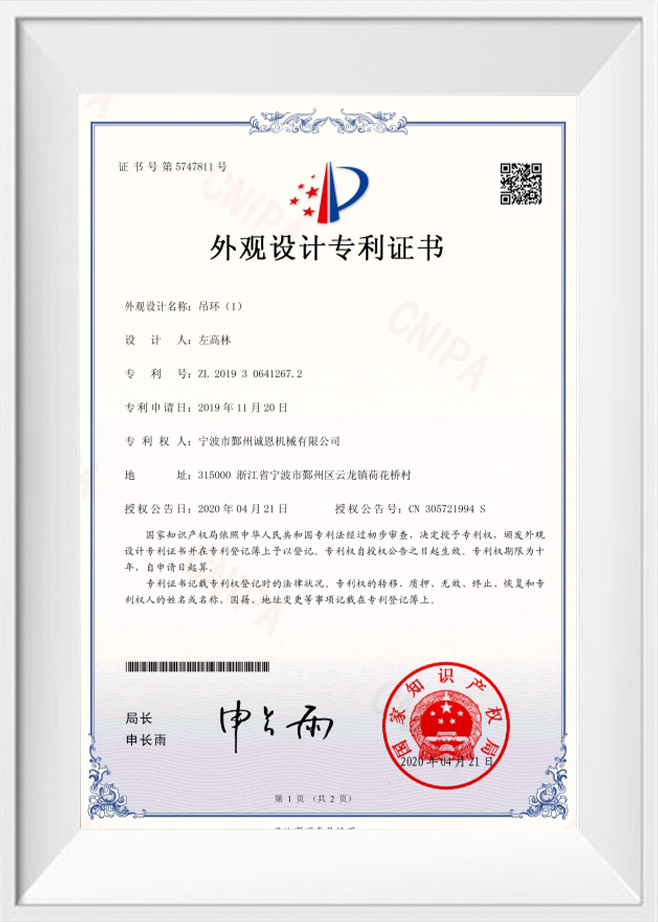
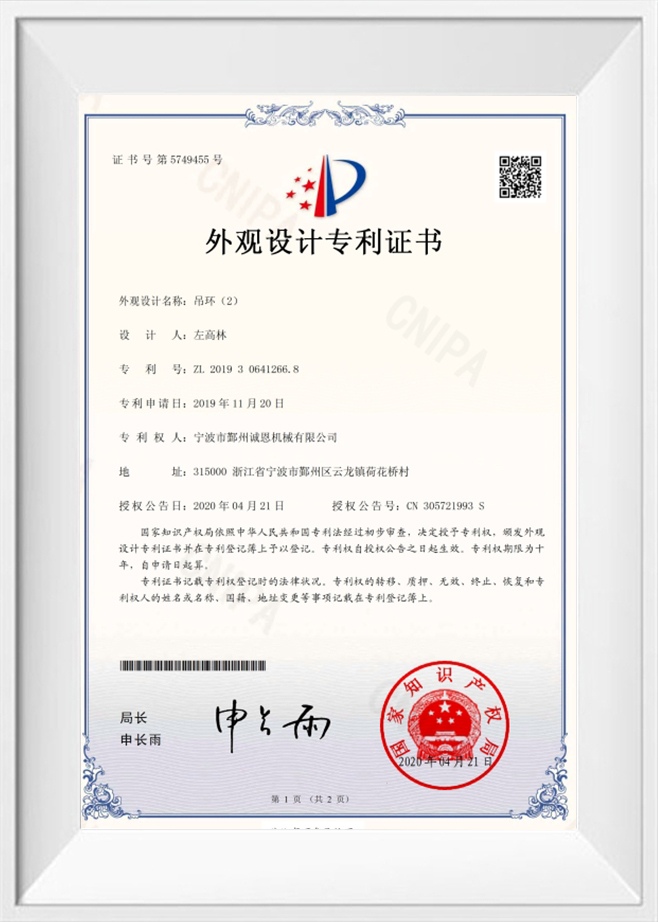
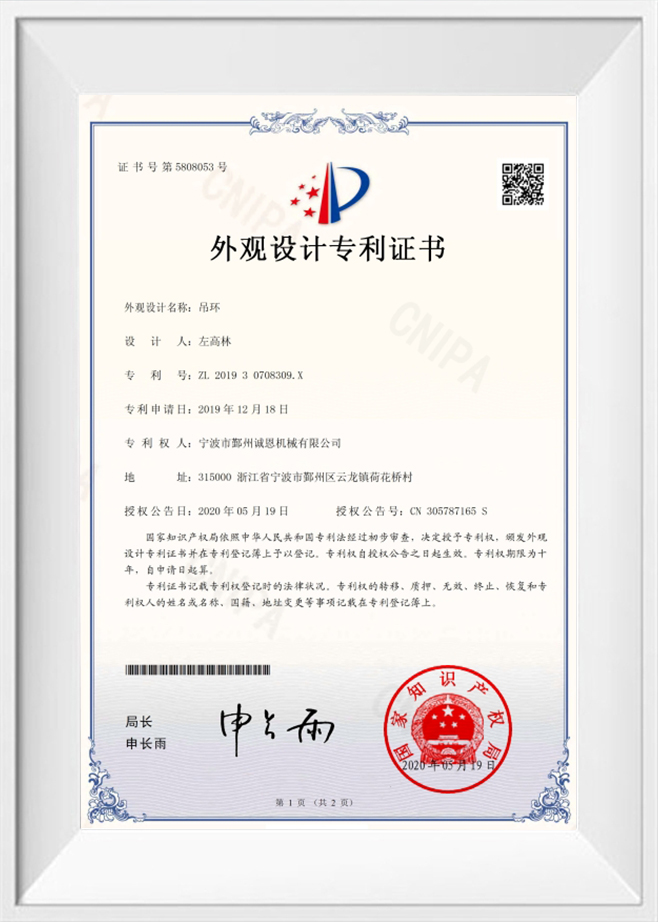
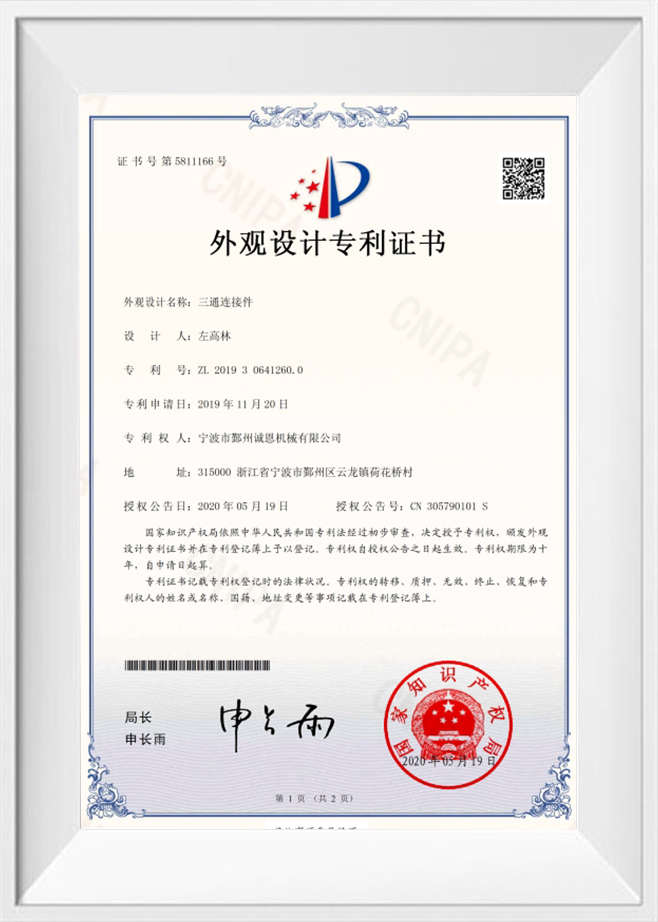
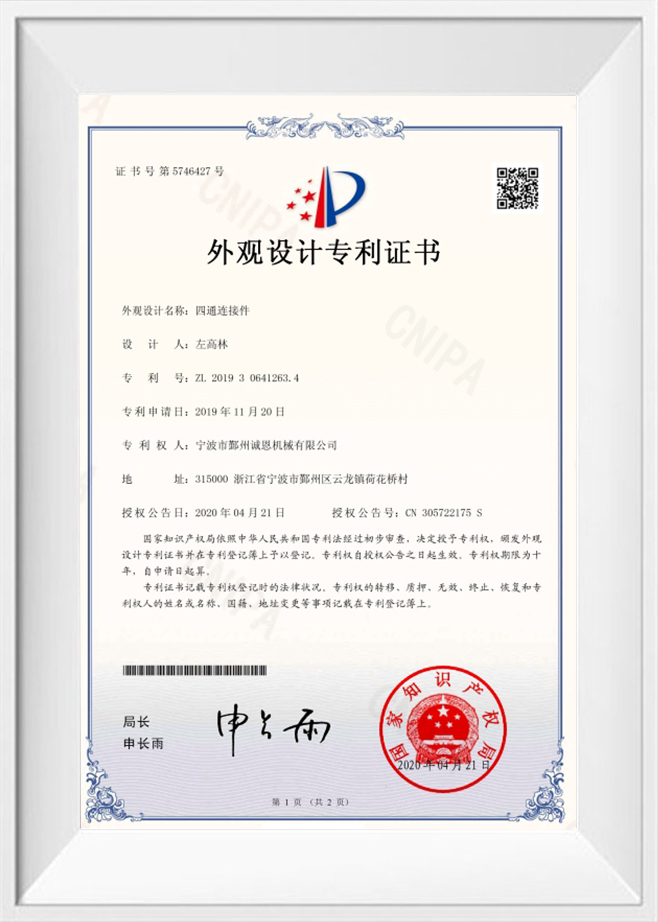
As global urban transportation systems continue to expand and modernize, selecting a reliable and technically capable Bus/Subway Interior Components manufacturer becomes a critical strategic decision. NingBo YinZhou ChengEn Machinery CO.,Ltd. stands out as a trusted long-term partner, offering not only manufacturing capacity but also deep industry understanding, engineering expertise, and stable supply capabilities.
Established in 2008, NingBo YinZhou ChengEn Machinery CO.,Ltd. operates a modern production base covering more than 12,000 square meters, supported by a professional team of engineers and skilled technicians. The company integrates foundry casting, forging, and advanced CNC machining under one roof, enabling true one-stop manufacturing solutions for complex bus and subway interior component requirements.
| Customization Option |
Available Features |
Typical Applications |
| Custom Seating |
Adjustable seat height, shape, padding density |
Long-distance buses, premium & luxury transit services |
| Handrails |
Ergonomic profiles, custom dimensions, surface treatments |
Different passenger heights, accessibility-focused designs |
| Storage Compartments |
Adjustable shelving, foldable and modular structures |
High-volume transportation, flexible interior layouts |
What truly differentiates NingBo YinZhou ChengEn Machinery CO.,Ltd. is its strong foundation in foundry manufacturing. Structural frames, handrail cores, seat brackets, and mounting components are produced using precision casting processes to ensure exceptional load-bearing capacity, dimensional accuracy, and long-term durability. These cast components are then refined through CNC machining to meet tight tolerances required by modern public transportation standards.
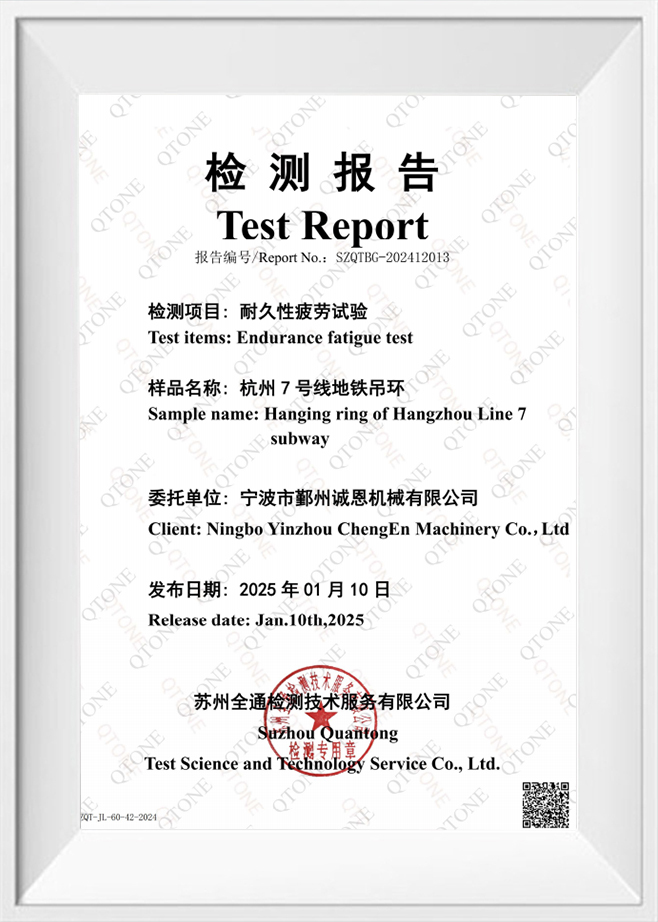
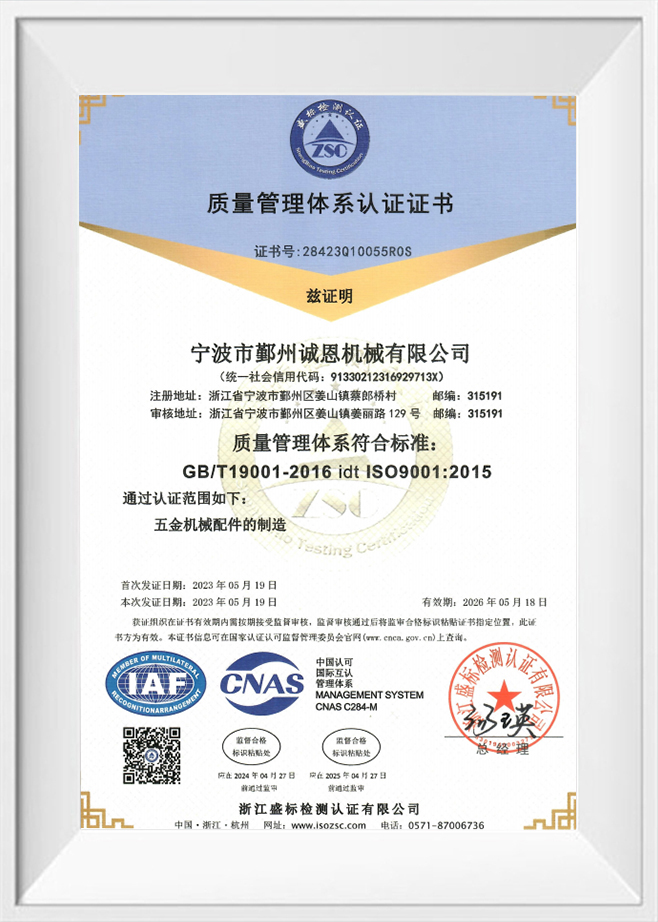
As a leading Bus/Subway Interior Components manufacturer in China, the company serves global clients with a wide range of needs—from Wholesale Bus/Subway Interior Components for large fleet projects to highly customized interior solutions for specialized vehicles. Strict quality control systems are applied at every stage, from raw material inspection to final assembly, ensuring consistent product performance and compliance with international safety and quality standards.
FAQ for Bus/Subway Interior Components
1. What types of materials are used in the production of bus and subway interior components?
Bus/Subway Interior Components are commonly manufactured using stainless steel, aluminum alloys, and high-performance plastics. These materials are selected for their excellent strength-to-weight ratio, corrosion resistance, and ability to withstand continuous use in high-traffic environments. In addition, many load-bearing structures originate from foundry casting processes to ensure structural integrity and long service life.
2. How can I place a wholesale order for bus and subway interior components from NingBo YinZhou ChengEn Machinery CO.,Ltd.?
Placing a wholesale order is straightforward. You can contact NingBo YinZhou ChengEn Machinery CO.,Ltd. directly through their official communication channels. Their professional sales and engineering teams will assist you in defining quantities, material specifications, customization requirements, and delivery schedules, ensuring an efficient and transparent ordering process.
3. Can I request custom designs for my bus and subway interior components?
Yes. NingBo YinZhou ChengEn Machinery CO.,Ltd. specializes in custom Bus/Subway Interior Components. From unique geometries and ergonomic adjustments to specific material selections, the company works closely with clients to develop tailored solutions. The combination of in-house foundry, forging, and CNC machining capabilities allows for high flexibility in design and production.
4. Why should I choose NingBo YinZhou ChengEn Machinery CO.,Ltd. over other suppliers?
With more than a decade of industry experience, NingBo YinZhou ChengEn Machinery CO.,Ltd. has earned a strong reputation for reliability, precision, and customer-focused service. Their integrated manufacturing model, strict quality control, and deep expertise in Bus/Subway Interior Components ensure that every product meets demanding standards for safety, durability, and performance. Whether for large-scale wholesale supply or specialized custom projects, the company delivers solutions built for long-term success.

 English
 Español
 русский