English
 Español
 русский
Content
- 1 What Are Precision Forged Parts
- 2 The New Productivity Paradigm in Precision Forging
- 3 Advanced Die Design and Simulation Technology
- 4 Intelligent Automation and Smart Press Technology
- 5 Real-Time Process Monitoring and Quality Assurance
- 6 Material Innovation and Alloy Development
- 7 Lean Manufacturing and Operational Excellence
- 8 Digital Integration Across the Supply Chain
- 9 Sustainability and Energy Efficiency in Modern Forging
- 10 Applications Driving Demand for New Productivity Precision Forgings
- 11 Selecting a New Productivity Precision Forging Partner
- 12 The Future of New Productivity Precision Forged Parts
In modern manufacturing, precision forged parts have become the backbone of industries ranging from aerospace and automotive to heavy machinery and energy infrastructure. As global competition intensifies and engineering tolerances grow ever tighter, a new wave of productivity-driven innovation is reshaping how precision forgings are designed, produced, and delivered. New productivity precision forged parts represent not just an upgrade in manufacturing capability, but a fundamental shift in how value is created across the entire supply chain.
What Are Precision Forged Parts
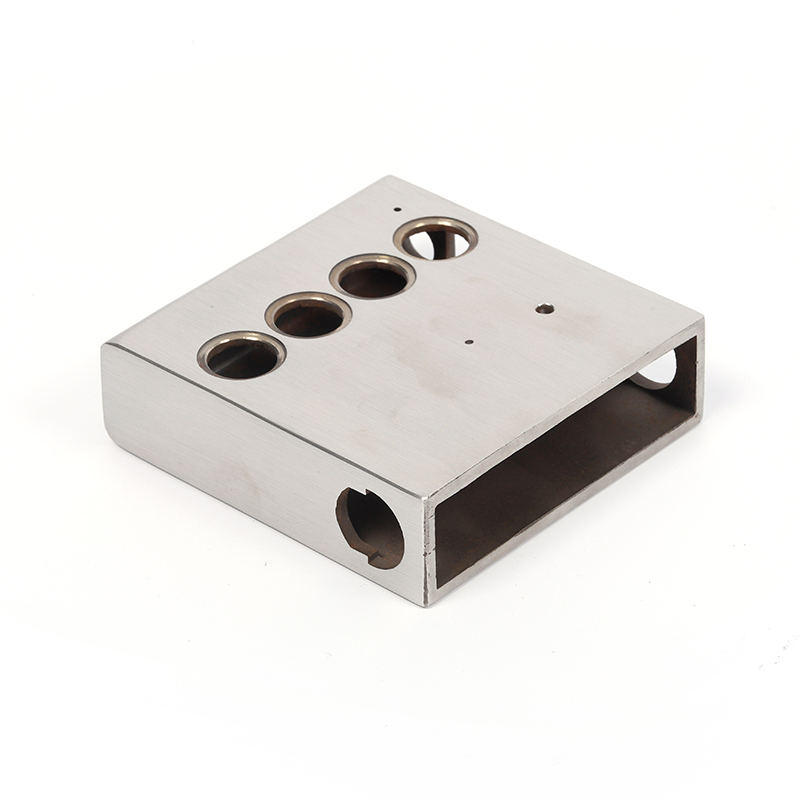
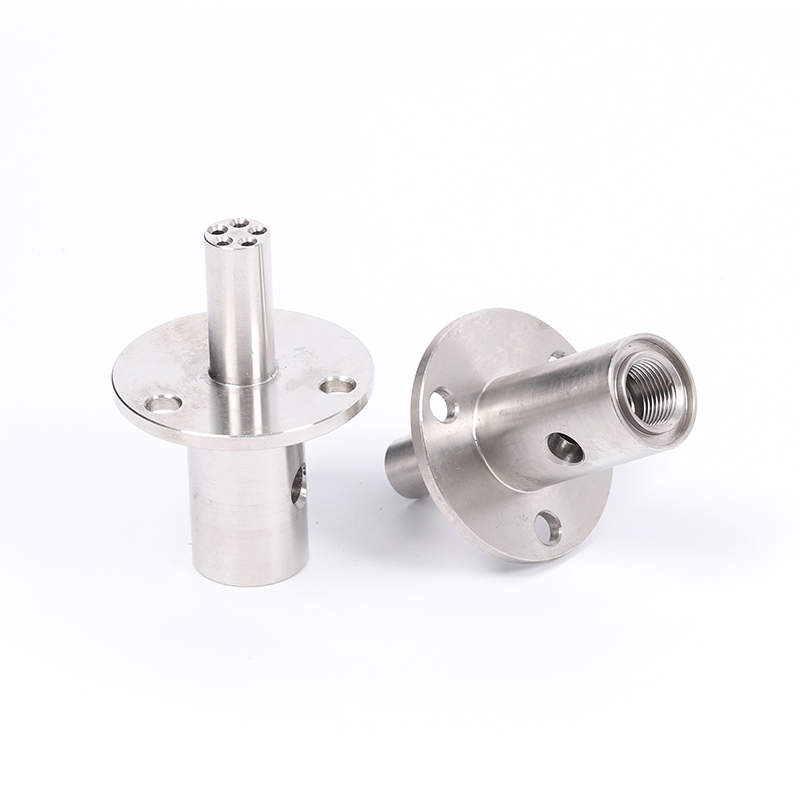
Precision forged parts are metal components produced through a controlled forging process that achieves highly accurate dimensional tolerances, superior surface finish, and exceptional metallurgical integrity. Unlike conventional forgings that require extensive post-process machining, precision forgings are designed to meet near-net or net-shape specifications directly from the die, significantly reducing material waste and secondary operations.
The forging process involves applying compressive force to a heated metal billet within a precisely engineered die set. This process aligns the metal's grain structure along the contours of the part, resulting in superior strength-to-weight ratios, fatigue resistance, and impact toughness compared to cast or machined alternatives. Common materials include carbon steel, alloy steel, stainless steel, aluminum alloys, and titanium, each selected based on the mechanical demands of the final application.
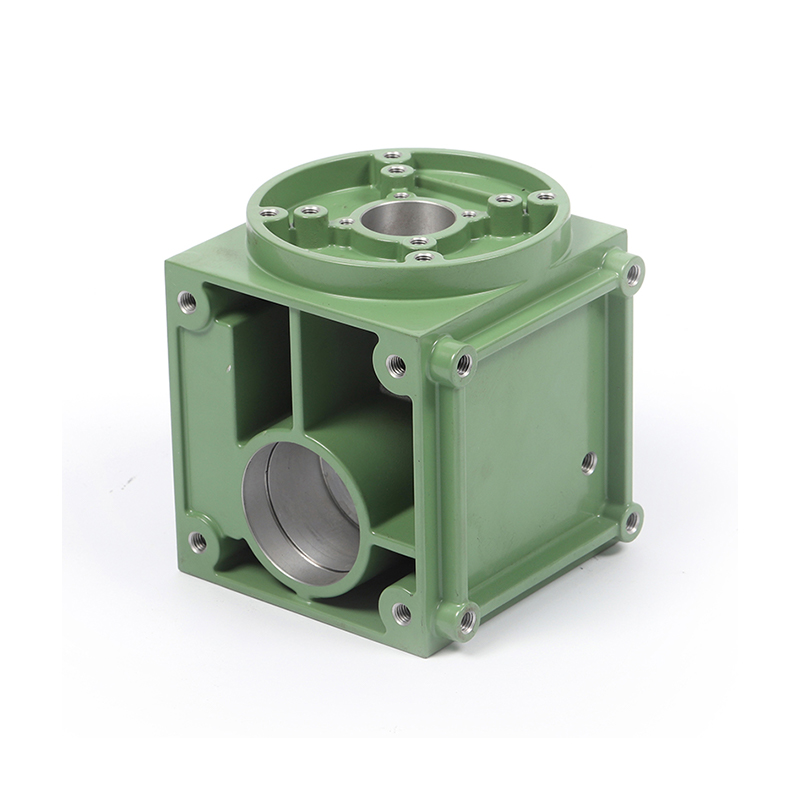
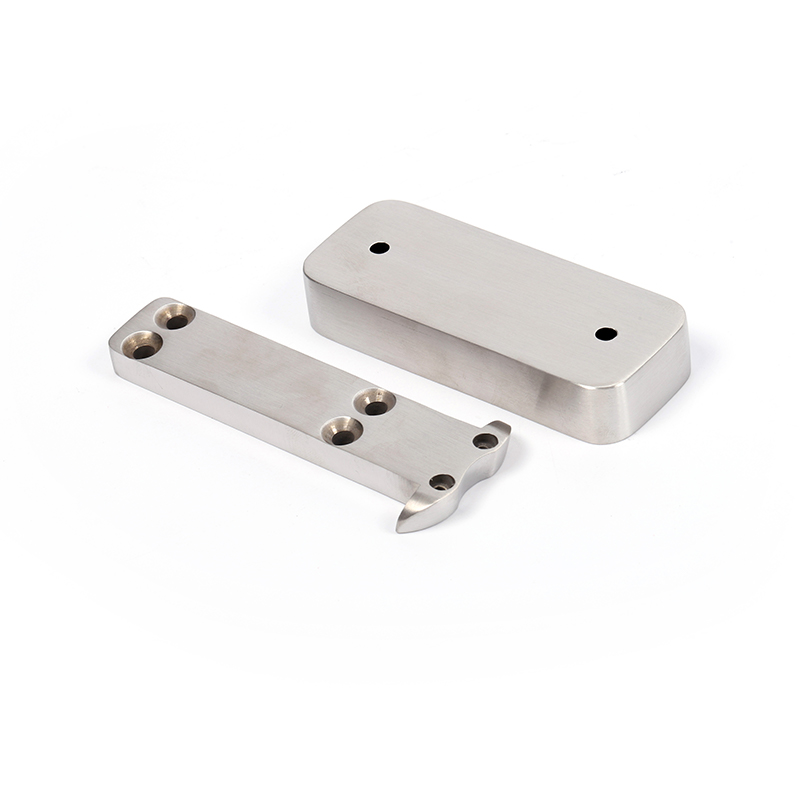
Typical precision forged components include connecting rods, crankshafts, gear blanks, turbine blades, suspension knuckles, valve bodies, and structural brackets. These parts are found in critical assemblies where failure is not an option, making the precision and consistency of the forging process paramount.
The New Productivity Paradigm in Precision Forging
The concept of new productivity in precision forging goes beyond simply running presses faster. It encompasses a holistic transformation of the manufacturing enterprise through digital integration, process intelligence, and lean operational discipline. Manufacturers who embrace this paradigm achieve measurable gains in output volume, part quality, cost efficiency, and delivery reliability simultaneously, rather than trading one metric against another.
At the core of new productivity is the convergence of advanced materials science, simulation-driven die design, real-time process monitoring, and intelligent automation. These pillars work together to reduce scrap rates, shorten setup times, extend die life, and compress lead times, all while maintaining or improving the mechanical properties that make precision forgings indispensable in demanding applications.
This shift is being driven by customer expectations that have fundamentally changed. Buyers of precision forged parts increasingly demand not only tight dimensional tolerances but also full traceability, certified material test reports, rapid prototyping capability, and flexible production scheduling. Meeting these demands efficiently requires a production system built on new productivity principles from the ground up.
Advanced Die Design and Simulation Technology
One of the most significant productivity drivers in modern precision forging is the widespread adoption of finite element analysis (FEA) and computational fluid dynamics (CFD) tools for die design and process simulation. Before a single piece of tool steel is machined, engineers can simulate metal flow, predict die stress distributions, identify potential folding or underfill defects, and optimize billet geometry and heating parameters using digital models.
This virtual validation process dramatically compresses the traditional trial-and-error development cycle. In conventional die development, multiple physical die iterations and costly production trials were needed to achieve an acceptable process window. With simulation-driven design, first-article approval rates improve substantially, tooling costs decrease, and new part programs move from concept to production in a fraction of the historical time.
Modern simulation platforms also allow engineers to evaluate multiple die configurations and process parameter combinations simultaneously. Topology optimization algorithms can identify die geometry adjustments that improve metal flow uniformity while reducing forming forces, enabling production on smaller presses with lower energy consumption. The result is a more efficient process that is also more predictable and repeatable across production runs.
Die manufacturing itself has been elevated by high-speed CNC machining centers with five-axis capability and automated electrode production for electrical discharge machining (EDM). These technologies deliver die cavity accuracy measured in microns, ensuring that dimensional tolerances established during simulation are faithfully reproduced in the physical tooling and ultimately in every forged part produced.
Intelligent Automation and Smart Press Technology
Modern precision forging lines increasingly incorporate robotic handling, automated billet heating systems, and servo-controlled presses that deliver programmatic control over ram velocity, stroke position, and forming force profiles throughout each forging cycle. This level of process control is essential for producing complex near-net-shape parts with consistent mechanical properties across high-volume production runs.
Servo-hydraulic and direct-drive servo presses represent a major advancement over conventional eccentric or crank presses. These machines allow the press ram velocity and force to be precisely modulated at every point in the stroke, enabling forming strategies that minimize die wear, control grain flow more effectively, and reduce springback in high-strength materials. The programmable nature of servo press motion also facilitates rapid changeover between part programs with minimal manual setup intervention.
Robotic billet handling systems eliminate the variability introduced by manual part transfer between heating and forming stations. Consistent transfer timing ensures that each billet arrives at the die at the correct temperature, a factor that profoundly influences forging force requirements, material flow behavior, and the final mechanical properties of the part. Automated systems also reduce operator exposure to the heat and ergonomic hazards inherent in forging environments, improving both safety performance and workforce sustainability.
Induction heating technology has largely replaced gas-fired furnaces in leading precision forging operations. Induction systems heat billets rapidly and uniformly to precise target temperatures with excellent repeatability, consume less energy, and generate a cleaner production environment. Integrated temperature verification using infrared pyrometry or thermal imaging ensures that only correctly heated billets enter the forging station, eliminating a common source of process variation.
Real-Time Process Monitoring and Quality Assurance
New productivity in precision forging is inseparable from the ability to monitor, measure, and respond to process data in real time. Sensor networks embedded throughout the forging line capture press force signatures, die temperatures, billet temperatures, cycle times, and dimensional data from in-line gauging systems. This continuous data stream feeds into manufacturing execution systems that can detect process anomalies, flag suspect parts for review, and trigger corrective actions before defective production accumulates.
Force-displacement monitoring of the press cycle provides a particularly powerful quality signal. The force-stroke curve for a precision forging process has a characteristic shape that reflects correct die fill, proper billet temperature, and appropriate lubrication. Deviations from this reference signature can indicate die wear, billet weight variation, temperature excursions, or lubrication failures, allowing problems to be identified and addressed at the earliest possible stage rather than discovered during downstream inspection.
Non-destructive testing (NDT) capabilities have also advanced significantly. Ultrasonic testing, magnetic particle inspection, and dye penetrant examination are routinely applied to precision forgings for critical applications. Advanced phased-array ultrasonic systems can detect subsurface discontinuities with high sensitivity and spatial resolution, providing confidence in the internal integrity of complex forged geometries. Automated NDT systems integrated into the production line enable 100 percent inspection of critical part families without creating a throughput bottleneck.
Coordinate measuring machines (CMM) and optical scanning systems provide dimensional verification of forged parts against their nominal CAD geometry. The data captured by these systems feeds back into the die maintenance schedule, identifying early signs of cavity wear and enabling predictive die refurbishment before dimensional drift exceeds allowable limits. This closed-loop approach to dimensional control is a hallmark of high-productivity precision forging operations.
Material Innovation and Alloy Development
The pursuit of new productivity in precision forging extends into the materials domain. Advanced high-strength steels, aluminum and titanium alloys engineered for improved forgeability, and novel nickel-based superalloys for high-temperature applications are continuously being developed in collaboration between material suppliers, research institutions, and forging companies. These materials enable lighter, stronger, and more thermally resistant components that meet the performance targets of next-generation products across multiple industries.
Microalloyed steels represent a particularly important development for precision forging productivity. These alloys achieve high strength through controlled precipitation hardening during cooling from the forging temperature, eliminating the need for separate heat treatment operations such as quench and temper cycles. By delivering the required mechanical properties directly from the forge, microalloyed steel components reduce processing steps, energy consumption, and lead time while maintaining the dimensional accuracy achieved during forging.
Warm forging of aluminum alloys, conducted at temperatures below the conventional hot forging range, produces components with tighter dimensional tolerances and better surface finish than hot-forged equivalents. This approach reduces the machining allowance required, contributing directly to material yield improvement and lower per-part cost. Combined with advances in die materials and coatings that extend tool life in warm forging conditions, this process has become increasingly attractive for high-volume automotive and consumer electronics applications.
Lean Manufacturing and Operational Excellence
Technology alone does not create new productivity. The organizational discipline to implement lean manufacturing principles, eliminate waste, and continuously improve operational processes is equally essential. Leading precision forging companies have embedded lean thinking into their culture, applying value stream mapping to identify non-value-added steps, implementing single-minute exchange of die (SMED) methodologies to minimize changeover time, and deploying total productive maintenance (TPM) programs to maximize equipment availability.
Changeover efficiency is particularly critical in precision forging, where die sets are heavy, temperatures must be managed, and dimensional verification after each change consumes time. SMED approaches have reduced changeover durations from several hours to under sixty minutes in best-in-class facilities, dramatically increasing press utilization and enabling smaller production batch sizes without sacrificing overall equipment effectiveness.
Visual management systems, standardized work instructions, and structured problem-solving disciplines such as eight-discipline (8D) and A3 reporting ensure that quality issues are addressed systematically rather than through reactive firefighting. These practices create a learning organization where process knowledge accumulates and is shared across shifts and production cells, creating a sustainable competitive advantage that is difficult for less disciplined competitors to replicate.
Inventory management has also evolved significantly. Collaborative demand planning with customers, combined with flexible production scheduling enabled by fast changeover capability, allows precision forging operations to maintain lower finished goods inventory while achieving higher on-time delivery performance. Reduced inventory ties up less working capital and eliminates the quality risk associated with long storage periods for critical metal components.
Digital Integration Across the Supply Chain
New productivity in precision forged parts manufacturing increasingly depends on seamless digital integration between forging operations and the broader supply chain ecosystem. Enterprise resource planning (ERP) systems connected to customer ordering portals enable real-time visibility into demand signals, allowing production planners to adjust schedules dynamically in response to changes in customer pull rather than relying on static weekly or monthly plans.
Digital traceability systems link each forged part to its complete manufacturing history, including heat number, billet source, heating parameters, forging process data, heat treatment batch, and inspection results. This cradle-to-component documentation chain satisfies the traceability requirements of aerospace, defense, and medical customers and provides a powerful tool for root cause analysis when field issues are reported. The ability to quickly query the production history of affected parts and isolate the scope of a potential quality concern is a major value differentiator for precision forgers serving regulated industries.
Cloud-based manufacturing data platforms are enabling multi-plant forging operations to share process knowledge, benchmark performance across facilities, and deploy process improvements globally at speed. A die design optimization developed at one plant can be validated in the digital environment and implemented across all facilities producing similar parts within days rather than months. This organizational agility is a significant source of competitive advantage as customer expectations for faster response and greater flexibility continue to increase.
Sustainability and Energy Efficiency in Modern Forging
New productivity in precision forging must also encompass environmental and energy performance. Forging is an energy-intensive process, and the industry faces increasing pressure from customers and regulators to reduce carbon footprint across the manufacturing value chain. Progressive precision forging companies are addressing this challenge through multiple complementary approaches.
Energy recovery systems capture waste heat from induction heating and forging operations and redirect it to facility heating or pre-heating applications. Variable frequency drives on hydraulic power units and cooling systems reduce electrical energy consumption during non-peak demand periods. LED lighting retrofits and building energy management systems reduce facility overhead energy loads. Together, these measures can reduce total energy consumption per part produced by a significant margin compared to conventional operations.
Material efficiency is also a sustainability imperative. Near-net-shape forging strategies that minimize machining stock reduce both raw material input and the energy consumed by downstream machining operations. Closed-loop lubricant management systems reduce lubricant consumption and waste generation. Scrap metal recovery and recycling programs ensure that production waste is returned to the material supply chain rather than diverted to landfill.
Customers in automotive, aerospace, and industrial markets are increasingly requiring suppliers to report scope one, two, and three emissions as part of their sustainability programs. Precision forging companies that invest in accurate carbon accounting and credible reduction roadmaps position themselves favorably in supplier qualification processes where environmental performance is evaluated alongside quality, cost, and delivery criteria.
Applications Driving Demand for New Productivity Precision Forgings
The demand for precision forged parts manufactured to new productivity standards is being driven by several high-growth application areas that share a common need for components combining high strength, low weight, dimensional precision, and verified material integrity.
Electric vehicle powertrain systems require precision forged components including motor shafts, differential housings, suspension components, and structural battery enclosure elements. These parts must meet extremely tight dimensional tolerances to support the low-noise, high-efficiency performance targets of electric drivetrains. The transition to electric mobility is simultaneously expanding the volume of certain forged component families and changing the mix of materials and geometries required, creating both opportunity and challenge for precision forging suppliers.
Aerospace structures and propulsion systems remain among the most demanding applications for precision forgings. Titanium and aluminum structural forgings for commercial and military aircraft must meet rigorous certification requirements covering both dimensional and metallurgical acceptance criteria. The increasing production rates of next-generation aircraft platforms are driving sustained demand growth, while the competitive pressure to reduce airframe weight is pushing engineers to specify near-net-shape forgings that minimize buy-to-fly ratios.
Renewable energy infrastructure, including wind turbine drive train components, hydraulic turbine runners, and solar tracker structural elements, represents a growing market for large precision forgings. These components must withstand decades of cyclic loading in outdoor environments, placing a premium on the superior fatigue properties and verified material integrity that precision forging provides. The global expansion of renewable energy capacity is creating sustained long-term demand for these product families.
Oil and gas subsea equipment, industrial valve bodies, and high-pressure piping components continue to require precision forgings in alloy steel and stainless steel grades capable of withstanding extreme pressure, temperature, and corrosive environments. The critical safety role of these components makes material traceability and NDT documentation non-negotiable requirements that align naturally with the quality management systems of new productivity forging operations.
Selecting a New Productivity Precision Forging Partner
For engineers and procurement professionals sourcing precision forged parts, evaluating potential suppliers against new productivity criteria can meaningfully reduce total cost of ownership and supply chain risk compared to selecting on unit price alone. Several key indicators distinguish new productivity forging operations from conventional alternatives.
Investment in process simulation capability is a reliable indicator of engineering sophistication. Suppliers who use FEA-based die design and process validation can offer shorter development cycles, higher first-article approval rates, and greater confidence in dimensional capability before hard tooling is committed. This capability becomes particularly valuable for complex geometries, tight-tolerance features, or materials with narrow process windows.
Documented statistical process control (SPC) programs for critical forging parameters, combined with real-time process monitoring systems, provide objective evidence of process stability and predictive quality management. Suppliers who can share control charts, process capability indices, and corrective action histories demonstrate the operational discipline required to sustain high quality over long production programs.
Certifications to industry quality management standards such as IATF 16949 for automotive, AS9100 for aerospace, and PED for pressure equipment provide a baseline assurance of quality system rigor. However, site visits and technical audits remain the most reliable method for verifying that documented systems are genuinely embedded in daily operations rather than existing only on paper.
Financial stability, capital investment plans, and workforce development programs are longer-term indicators of a supplier's capacity to sustain and grow new productivity capabilities over the life of a sourcing relationship. Partners who invest continuously in technology, training, and infrastructure are better positioned to support product evolution, volume growth, and cost improvement over time than those who optimize exclusively for near-term margin.
The Future of New Productivity Precision Forged Parts
The trajectory of new productivity in precision forging points toward increasing integration of artificial intelligence and machine learning into process control, quality assurance, and supply chain management. AI-based analysis of press force signatures and sensor data streams will enable earlier detection of process drift and more accurate prediction of tool life, further reducing unplanned downtime and scrap generation. Generative design algorithms will explore forging geometries and material distributions that human engineers might not conceive, creating opportunities for components with superior performance characteristics and improved manufacturability simultaneously.
Additive manufacturing is also beginning to influence precision forging indirectly by enabling the rapid production of conformal cooling channels in die inserts, improving thermal management of the die and extending tool life. Hybrid manufacturing approaches that combine additive preforms with forging operations are being explored for complex titanium and nickel alloy components where the combination of near-net additive shaping and the grain refinement benefits of forging offers a compelling technical and economic proposition.
As the industries that depend on precision forged parts continue to evolve, the manufacturers who embrace new productivity principles across technology, process, organization, and sustainability will define the standard of excellence that others must match. New productivity precision forged parts are not simply better components. They represent a fundamentally more capable and resilient approach to creating the critical metal parts that modern infrastructure, transportation, and energy systems depend on every day.