English
 Español
 русский
Content
Foundries are manufacturing facilities where metals are melted and cast into shapes to create components used in various industries. The core function of a foundry is casting, where molten metal is poured into molds to form products with specific shapes. Foundries are integral to industries such as automotive, aerospace, energy, and construction, producing critical components like engine blocks, turbine blades, and structural parts. The casting process allows for the creation of complex, durable, and precise metal parts that cannot easily be made through other manufacturing methods
Types of Casting Techniques in Foundries
Sand Casting
Sand casting is one of the most commonly used techniques in foundries. It involves creating a mold from sand, which is compacted around a pattern to form a cavity. Molten metal is poured into this cavity, and once cooled, the mold is removed, leaving the finished casting. Sand casting is highly versatile, cost-effective, and suitable for casting a wide range of materials, including cast iron, steel, and aluminum. It is particularly useful for producing large or medium-sized components such as engine blocks and valves.
Investment Casting (Lost-Wax Casting)
Investment casting, or lost-wax casting, is ideal for high-precision, complex parts. In this method, a wax pattern is coated with a ceramic shell. After the wax is melted away, molten metal is poured into the shell to create the part. This technique is commonly used in industries like aerospace, where components such as turbine blades require intricate designs and tight tolerances. Investment casting can produce parts with superior surface finishes and high dimensional accuracy .
Die Casting
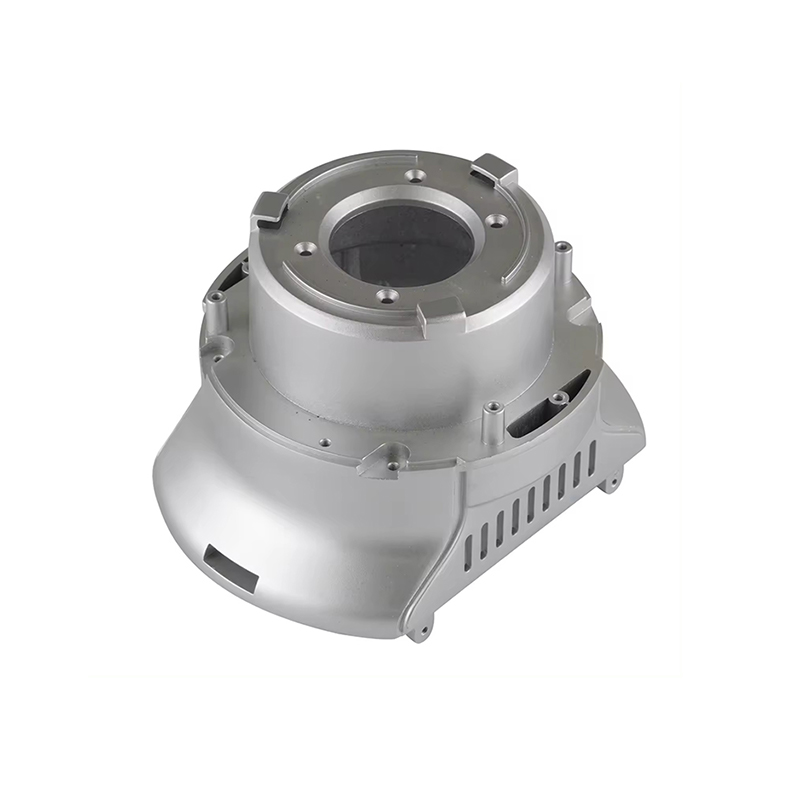
Die casting is a process in which molten metal is injected into a metal mold under high pressure. This technique is commonly used for producing small to medium-sized components with excellent dimensional accuracy. Die casting is ideal for high-volume production, particularly in industries like automotive, electronics, and consumer goods. Aluminum, zinc, and magnesium alloys are often used in die casting due to their properties, which make them suitable for lightweight, durable, and corrosion-resistant components .
Shell Mold Casting
Shell mold casting is similar to investment casting but uses a ceramic shell for creating molds. This method is known for its ability to produce parts with high precision and smooth surface finishes. It is frequently used in aerospace and defense industries for manufacturing components like small turbine blades and structural parts that require both strength and intricate detail.
Key Materials Used in Foundries
Materials used in foundries are selected based on the specific requirements of the component being produced. Key factors like strength, heat resistance, and corrosion resistance dictate the choice of material. Some of the most common materials include:
- Cast Iron: Widely used for automotive components, machinery parts, and pipes, cast iron is durable and has excellent castability. It is often used for engine blocks, crankshafts, and brake components due to its ability to withstand high temperatures.
- Steel: Steel castings are strong and durable, making them ideal for high-stress applications such as mining machinery, construction equipment, and pumps. Steel is often used for parts that require toughness and resistance to wear and fatigue .
- Aluminum: Lightweight and corrosion-resistant, aluminum is frequently used in automotive and aerospace industries. It is ideal for parts that need to be both strong and light, such as engine components and structural frames .
- Copper Alloys: Copper-based alloys, such as bronze and brass, are known for their excellent corrosion resistance and conductivity. They are used for marine parts, electrical components, and decorative items .
- Nickel Alloys: Nickel-based alloys are chosen for high-temperature applications, such as turbine blades, where excellent heat resistance and oxidation resistance are critical .
Applications of Foundries in Various Industries
Foundries serve a broad range of industries, each with unique requirements for the components they produce. The materials and casting techniques chosen depend on the application and performance needs of the part being cast. Key industries benefiting from foundry products include:
- Automotive Industry: Foundries produce crucial automotive components such as engine blocks, cylinder heads, and suspension parts. These components must be durable, heat-resistant, and capable of withstanding high stress, making casting the ideal process for mass production .
- Aerospace Industry: In aerospace, foundries produce turbine blades, landing gear, and structural components. These parts must meet extremely high standards of precision and performance, with casting methods like investment casting ensuring that parts have the necessary intricate features and tight tolerances .
- Energy and Power Generation: Foundries cast parts used in power plants, such as turbine blades, valves, and pump components. These parts are subject to high pressures and temperatures, making the choice of material and casting method crucial to their reliability and performance .
- Construction Industry: Foundries are essential in the production of heavy-duty components such as crane parts, pumps, and valves used in construction machinery. Cast components must be strong and durable to handle the demands of large-scale infrastructure projects .
- Marine Industry: Foundries create marine components like ship propellers, hull fittings, and engine parts. The ability to withstand corrosion and the harsh conditions of the sea is vital for these components, with materials like bronze and brass often used.
Technological Innovations in Foundries
The foundry industry has seen significant technological advancements in recent years, improving casting efficiency, precision, and environmental sustainability. Key innovations include:
- 3D Printing in Foundries: 3D printing, or additive manufacturing, is increasingly being used to create complex molds or even cast parts. This technology allows for faster prototyping and more intricate designs with reduced material waste .
- Automation in Sand Casting: The use of robotic arms and automated systems for sand casting has streamlined the process, improving speed, accuracy, and consistency in high-volume production .
- Advanced Mold Materials: New developments in mold materials, such as self-hardening sands, have improved casting efficiency and reduced the need for binder chemicals, resulting in cleaner processes and better surface finishes .
- Improved Quality Control: Modern foundries use advanced technologies such as X-ray imaging, 3D scanning, and ultrasonic testing to detect defects and ensure the quality of cast parts, meeting stringent industry standards .
Challenges in the Foundry Industry
While foundries offer numerous advantages, the industry also faces challenges, including:
- Environmental Impact: Foundries must contend with emissions, energy consumption, and waste. Innovations in energy-efficient furnaces and recycling technologies are being implemented to address these issues and meet environmental regulations .
- Skilled Labor Shortage: The foundry industry requires a skilled workforce for both traditional casting methods and advanced technologies. However, there is a growing shortage of skilled workers, which can impact production quality and efficiency.
- Material Costs and Supply Chain Issues: Fluctuations in the prices of raw materials, such as metals and sand, can affect the cost of production. Foundries are working to optimize material usage and reduce waste to maintain profitability.
References
- Smith, J. "Introduction to Foundry Processes and Techniques." Foundry Journal, vol. 45, no. 2, 2021, pp. 34-42.
- Patel, R., et al. "The Role of Sand Casting in Modern Foundries." Casting Techniques Review, vol. 58, no. 3, 2020, pp. 125-137.
- Brown, T. "Investment Casting: A High-Precision Solution for Complex Parts." Aerospace Manufacturing, vol. 72, no. 1, 2021, pp. 50-55.
- White, M. "Die Casting in Automotive Applications." Automotive Engineering, vol. 66, no. 4, 2021, pp. 75-82.
- Johnson, H., and Lee, S. "Shell Mold Casting for Aerospace Components." Aerospace Technology Review, vol. 90, no. 6, 2021, pp. 102-110.
- Turner, C. "Foundry Materials and their Applications." Materials Engineering Journal, vol. 33, no. 2, 2020, pp. 45-52.