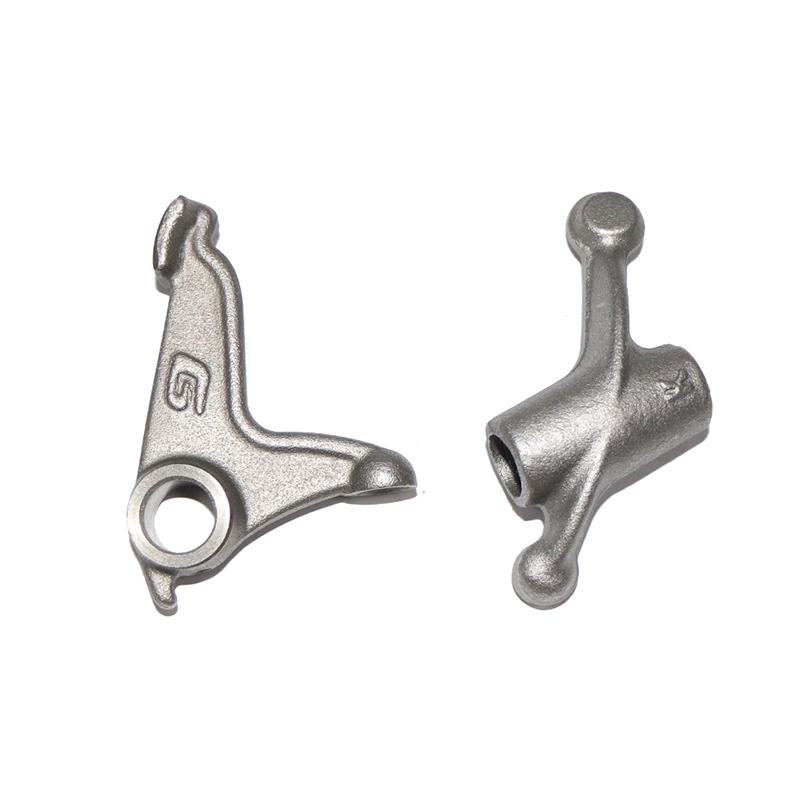
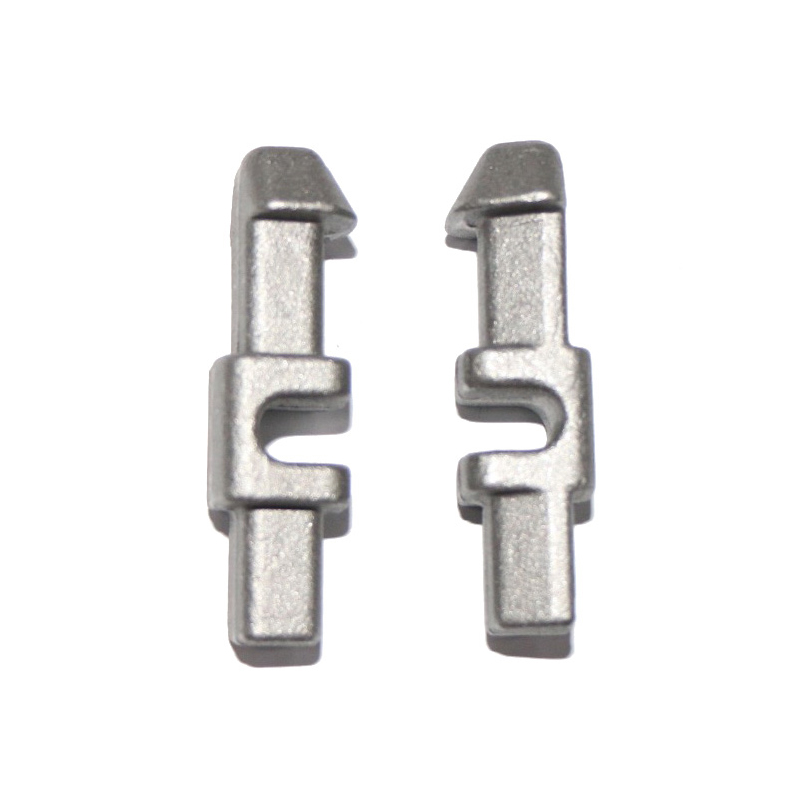
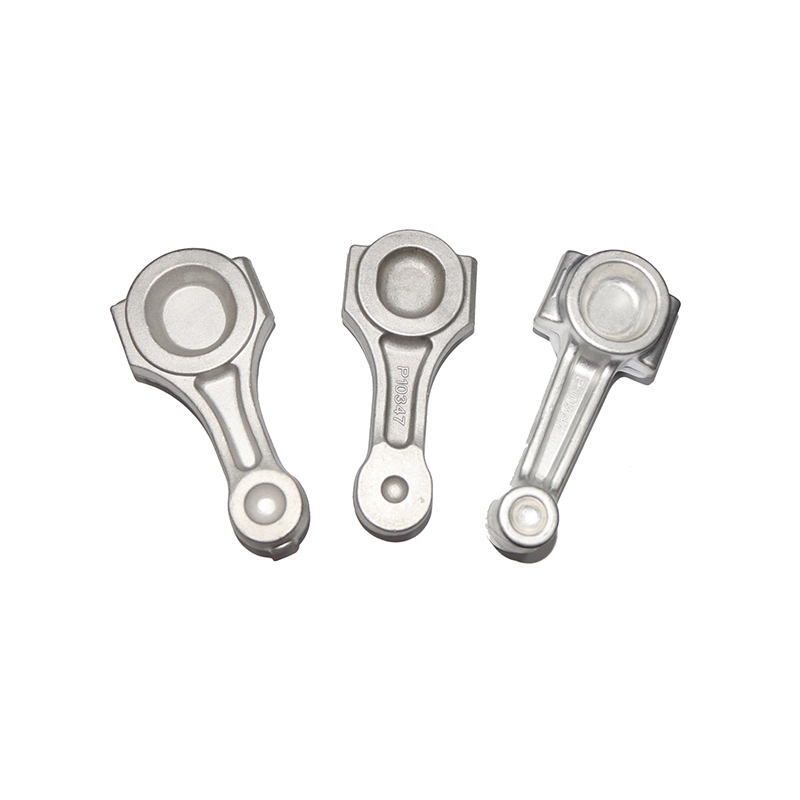
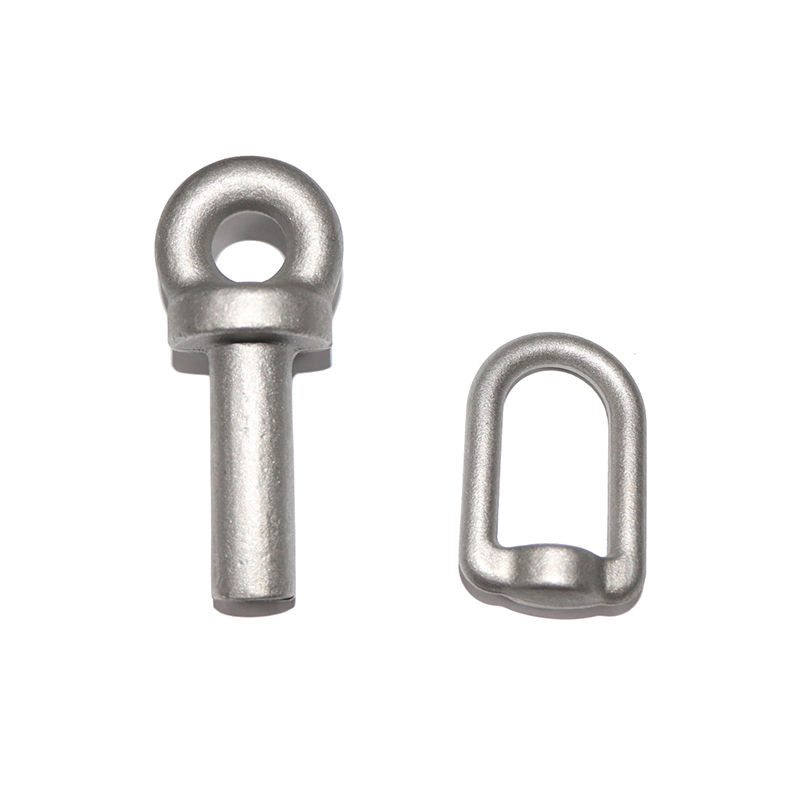
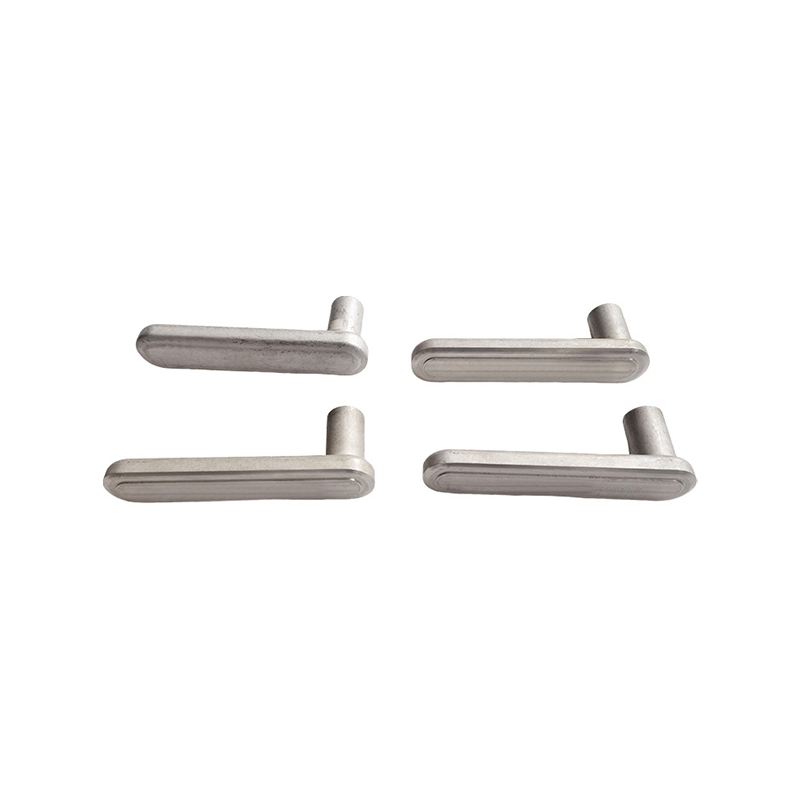
What Are Forged Parts?
Forged parts are essential in industries that demand high strength, precision, and reliability. The forging process is one of the oldest and most effective methods for producing components that are not only durable but also capable of withstanding extreme operating conditions. During forging, metal is heated to a malleable state and then shaped by applying intense pressure. This pressure can be exerted through various techniques such as hammering, pressing, or using dies, depending on the type of part being produced.
The forging process is highly effective at improving the structural integrity of the material. As the metal undergoes deformation, its grain structure is aligned in a way that enhances its overall strength. This process helps eliminate internal flaws such as air pockets or voids that are commonly found in cast parts. Consequently, forged parts tend to have superior fatigue resistance, impact strength, and overall mechanical properties.
One of the main reasons forged parts are preferred in demanding applications is their resilience under stress. In industries like automotive manufacturing, aerospace, and heavy-duty machinery, parts are often subjected to extreme forces, temperatures, and environmental conditions. Forged components such as engine components, suspension parts, and gears are designed to withstand these harsh conditions for extended periods. Their ability to resist wear and tear makes them a critical choice in systems that cannot afford to fail.
In addition to superior strength, the forging process also offers the ability to create parts with complex shapes and precise tolerances, making it a versatile solution for many industries. Forged parts can be produced in both hot forging and cold forging forms, depending on the specific requirements of the part. Hot forging allows for the creation of larger parts with greater strength and impact resistance, while cold forging is used for more precise, smaller components with superior surface finishes.
Forging is also a highly cost-effective process, especially for high-volume production. While it may require higher initial tooling costs compared to other methods like casting or machining, the efficiency and material utilization offered by forging make it ideal for mass production. Furthermore, the ability to reuse dies and molds significantly reduces costs over time, making forging an excellent long-term investment for companies involved in high-volume manufacturing.
In industries where safety and performance are critical, forged parts stand out as a reliable and long-lasting solution. By choosing forged components, companies can be confident that their products will endure the most challenging operating conditions, all while maintaining high levels of precision, performance, and safety.
Hot forging and cold forging
Hot forging and cold forging are the two primary methods used in forging, each offering distinct advantages based on the application and material characteristics. In hot forging, metal is heated to a temperature above its recrystallization point, making it more malleable and allowing for easier shaping. This technique is particularly effective for producing large parts that require superior strength and durability, such as heavy-duty industrial components. The high temperatures during hot forging help improve material flow, which results in components with better structural integrity and a reduced likelihood of defects like cracks or voids.
In contrast, cold forging is performed at or near room temperature, which results in higher precision and a smoother finish. The material is compressed using high pressure without the application of heat, which preserves the material's original properties and enhances its strength. Cold forging is typically used for producing smaller, more intricate parts that require tight tolerances and excellent surface finishes. This technique is ideal for parts like fasteners, fittings, and precision transmission components that demand both high accuracy and strength.
Forged parts are highly sought after in industries where performance and reliability are paramount, especially in high-stress environments. Unlike cast parts, which are prone to defects like porosity or gas holes, forged parts benefit from a dense, uniform internal structure. This structural integrity results in superior strength and fatigue resistance, making forged parts better suited for components that endure heavy loads, extreme temperatures, and repetitive stress. As a result, forged parts are commonly used in industries such as automotive, aerospace, construction, and heavy machinery, where performance under demanding conditions is essential.
Forged Parts for Various Applications
| Product Category |
Material Type |
Application Area |
Features |
Common Forging Processes |
| Hot Forged Auto Parts |
42CrMo Alloy Steel |
Automotive |
High strength, heat resistance, durability |
Hot Forging, Die Forging |
| Hot Forged Industrial Equipment & Heavy Machinery |
Alloy Steel |
Construction, Mining |
Wear-resistant, high-load tolerance |
Hot Forging, Die Forging |
| Cold Forged Precision Transmission Parts |
Steel, Alloy Steel |
Automotive, Industrial |
Precision, excellent surface finish |
Cold Forging |
| Cold Forged Pipe Fittings & Faucet Cartridges |
Stainless Steel |
Plumbing, Industrial |
Precision, corrosion resistance |
Cold Forging |
| Cold Forged Door Handles & Lock Parts |
Stainless Steel, Steel |
Residential, Commercial |
Strong, aesthetic, wear-resistant |
Cold Forging |
Why Choose Forged Parts from NingBo YinZhou ChengEn Machinery Co., Ltd.?
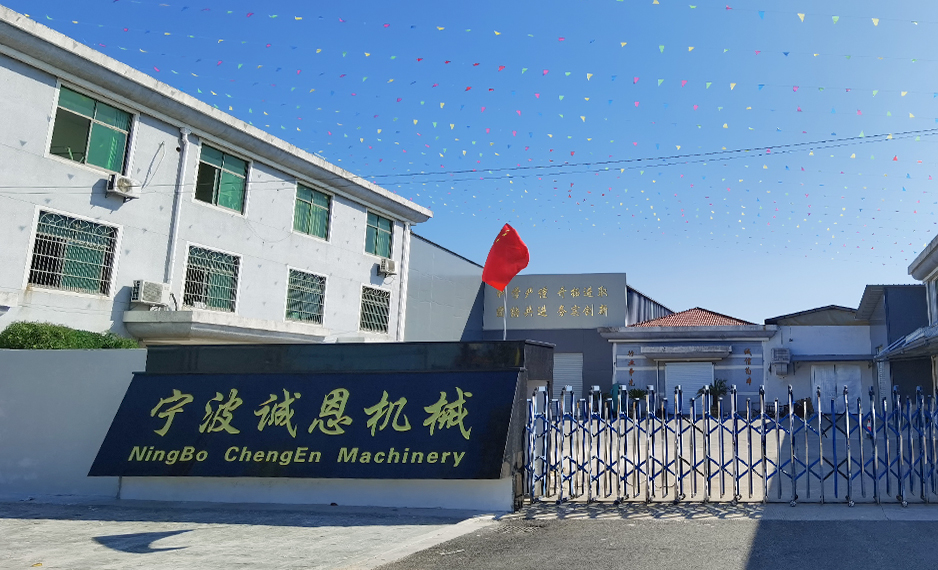
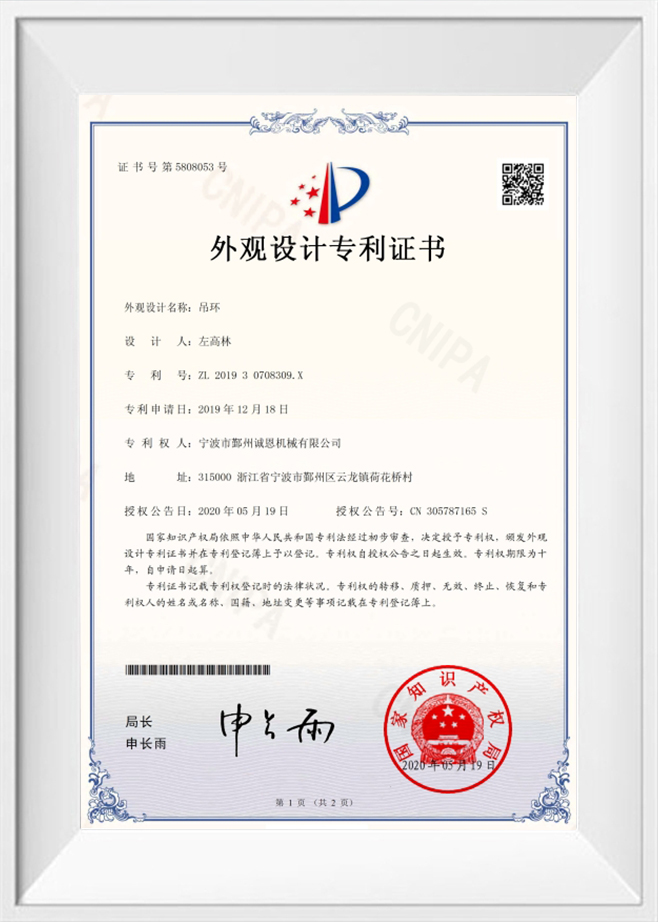
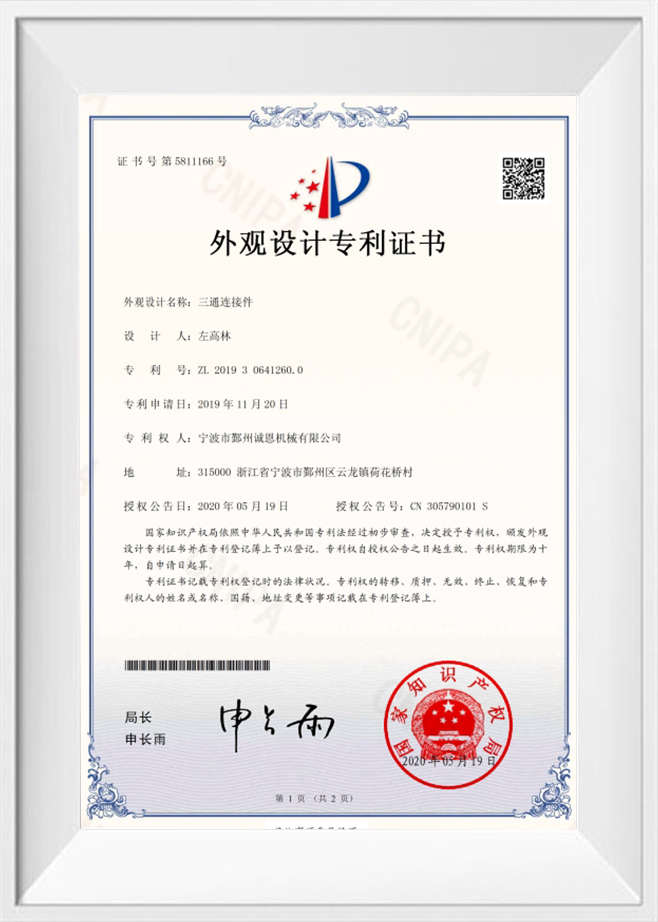
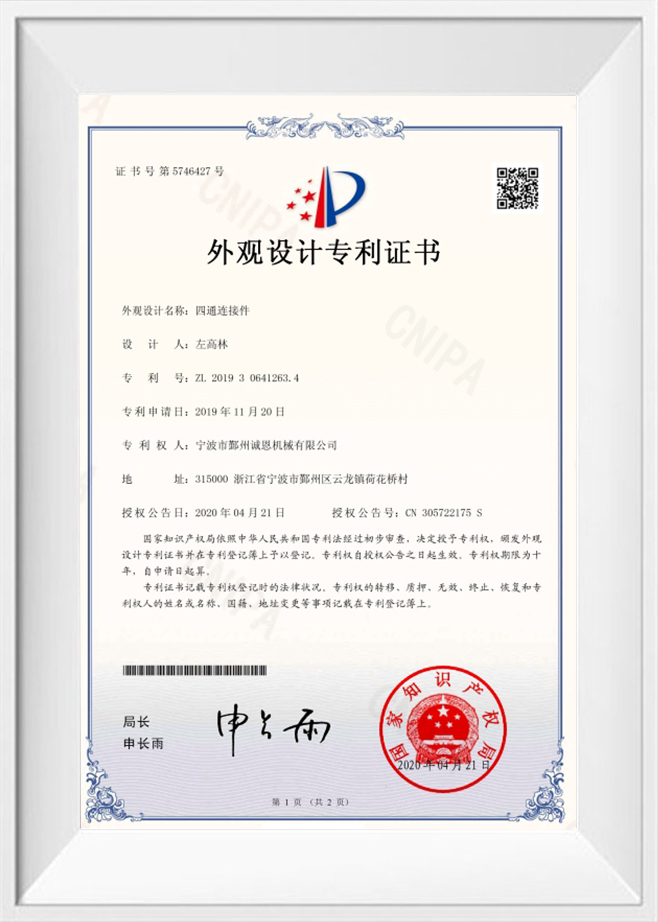
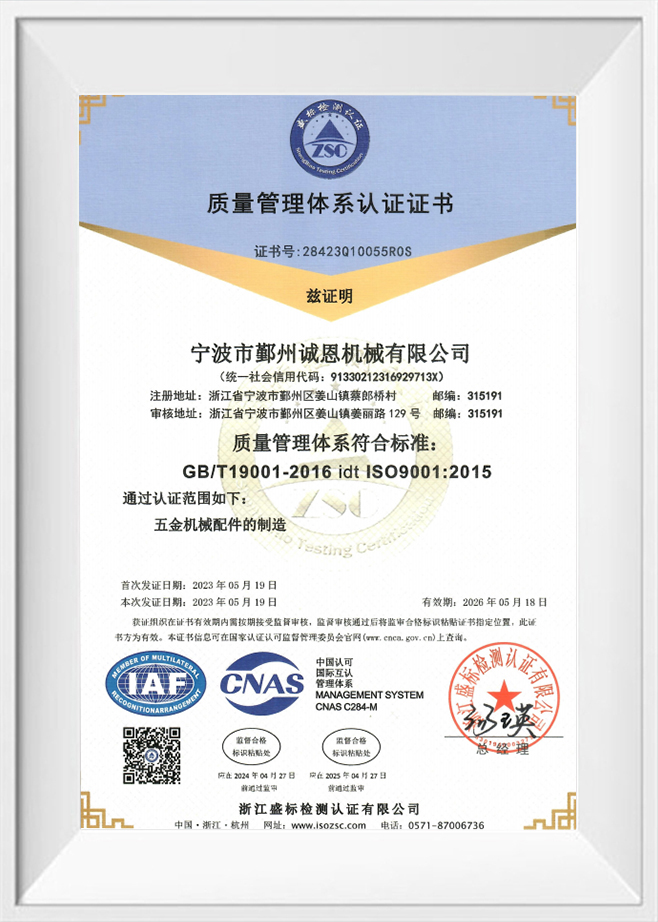
NingBo YinZhou ChengEn Machinery Co., Ltd. is dedicated to providing forged parts manufacturers with innovative solutions, specializing in both hot forged and cold forged parts. With a strong focus on quality and performance, the company takes pride in delivering high-grade forged parts that meet the demanding requirements of various industries, including automotive, heavy machinery, construction, and many others.
By leveraging cutting-edge die forging technology, including a powerful 10,000-ton press, NingBo YinZhou ChengEn Machinery Co., Ltd. ensures that every forged part meets the highest industry standards. The company's state-of-the-art forging process is designed to produce components with dense, uniform internal structures, which help eliminate common defects often found in casting processes, such as porosity and gas holes. This results in forged parts with superior mechanical properties, offering unmatched strength, toughness, and fatigue resistance, even in the most demanding operational environments.
The company's commitment to producing high-quality forged parts means that each component is designed to offer maximum durability and performance, making them ideal for use in industries that require high-strength parts capable of withstanding extreme conditions. Whether for automotive parts, industrial equipment, or construction machinery, NingBo YinZhou ChengEn Machinery Co., Ltd. ensures that its forged products deliver long-lasting, reliable solutions for manufacturers around the world.
FAQ: Forged Parts
- What are forged parts and how are they different from cast parts? Forged parts are created through compressive forces, while cast parts are formed by pouring molten metal into a mold. Forged parts are generally stronger and have fewer defects, such as porosity, compared to cast parts.
- What are the benefits of hot forging?
Hot forging produces parts that are stronger, more durable, and resistant to fatigue due to the heat used during the process. Hot forging also allows for larger parts to be produced with better material flow and uniformity.
- What materials are used for forging?
42CrMo alloy steel, titanium alloy, and carbon steel are commonly used in the forging process. The choice of material depends on the specific application and performance requirements of the part.
- What industries use forged parts?
Forged parts are used in industries such as automotive, construction, rail transit, heavy machinery, and more. They are particularly important in industries requiring high strength and durability.
- How does NingBo YinZhou ChengEn Machinery Co., Ltd. ensure the quality of forged parts?
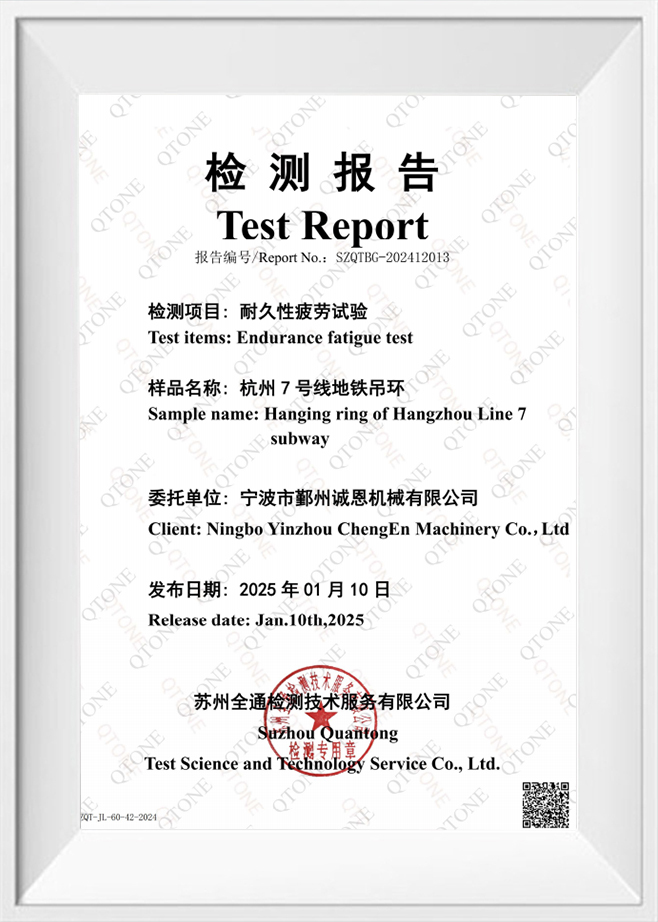
- NingBo YinZhou ChengEn Machinery Co., Ltd. utilizes advanced die forging technology and conducts strict quality control to ensure that every forged part meets the highest standards of performance, strength, and reliability.
- Can NingBo YinZhou ChengEn Machinery Co., Ltd. provide custom forged parts?
Yes, NingBo YinZhou ChengEn Machinery Co., Ltd. specializes in custom forged parts tailored to meet the specific needs of various industries, from automotive to construction and heavy machinery.
- What is the difference between hot forging and cold forging?
Hot forging involves heating the metal to high temperatures, making it ideal for large, high-strength parts, while cold forging is done at or near room temperature and is used for parts requiring high precision and excellent surface finish.
- What are the advantages of cold forged pipe fittings and faucet cartridges?
Cold forged pipe fittings and faucet cartridges offer precise dimensions, superior surface quality, and durability, making them ideal for use in plumbing and water systems.
- How long does it take to produce forged parts?
The production time depends on the size, complexity, and material of the part. For custom forged parts, NingBo YinZhou ChengEn Machinery Co., Ltd. works with clients to provide a timeline based on their specific requirements.
- How can I order forged parts from NingBo YinZhou ChengEn Machinery Co., Ltd.?
You can contact NingBo YinZhou ChengEn Machinery Co., Ltd. directly through their website or customer service for inquiries regarding product specifications, pricing, and order placement.

 English
 Español
 русский