Casting parts are critical components used in a wide range of industries, from automotive to construction, rail transit, marine, and agricultural machinery. The process of casting involves pouring molten metal into a mold to form the desired shape. These parts are manufactured using various materials such as stainless steel, alloy steel, and other metals, offering diverse applications and benefits in industrial sectors.
Casting parts manufacturers and casting parts suppliers play a key role in meeting the growing demand for high-quality components across various industries. Whether you need wholesale casting parts or specialized products for your sector, casting parts suppliers provide solutions that ensure durability, precision, and cost-effectiveness. The versatility and efficiency of the casting process make it essential for businesses looking to produce reliable and high-performance components.
What are Casting Parts?
Casting parts refer to components made through the casting process, where a liquid material (often metal or alloy) is poured into a mold to take the shape of the desired part. This manufacturing method is widely used in a range of industries due to its ability to produce parts with complex geometries, which may be challenging or cost-prohibitive to create using other techniques like machining or forging. These parts are widely used for their durability, precision, and cost-effectiveness, which are especially important in high-volume production environments.
The casting process is not only about creating functional parts; it also provides versatility in the design phase. Casting allows for intricate shapes and fine details that are difficult to achieve through other means. From large engine blocks in automotive industries to high-precision medical components, casting makes it possible to create everything from simple to highly complex parts, often at a fraction of the cost and time required by other manufacturing techniques.
Depending on the material used, casting parts can offer excellent strength, corrosion resistance, and performance under high-stress conditions. For example, stainless steel castings are highly valued in industries requiring corrosion resistance, such as marine, chemical processing, and food production. On the other hand, alloy steel castings provide superior strength and wear resistance, making them ideal for machinery components in construction or agriculture.
Furthermore, the versatility of casting extends to material choices, enabling manufacturers to select alloys that offer properties tailored to specific application needs. Casting parts can be made from metals like cast iron, aluminum, bronze, and stainless steel, each offering unique characteristics such as high tensile strength, lightweight properties, or high resistance to heat and wear. This ensures that casting parts can meet a wide variety of demands, from light, corrosion-resistant parts for aerospace, to heavy-duty, wear-resistant components for industrial machinery.
Casting is also considered one of the most cost-effective manufacturing techniques. Since it allows for the production of large quantities of parts with minimal material waste, it can be particularly beneficial for mass production applications. Additionally, casting molds can be reused multiple times, further reducing production costs in long-term manufacturing processes.
Types of Casting Parts
Stainless Steel Precision Casting
Stainless steel is a highly versatile and durable material, making it a popular choice for precision casting across a wide variety of industries. Due to its inherent strength, corrosion resistance, and aesthetic appeal, stainless steel is ideal for producing high-quality, long-lasting parts. Precision casting of stainless steel allows for the creation of components with complex geometries and tight tolerances, making it essential in industries such as architecture, marine, automotive, rail transit, and many others.
Casting parts manufacturers specializing in stainless steel precision casting ensure that parts meet the highest standards of durability and performance. Whether you're looking for wholesale casting parts for marine hardware or precision casting for automotive components, casting parts suppliers provide solutions tailored to your industry’s specific needs. The flexibility and strength of stainless steel make it indispensable for both aesthetic and functional applications, providing high-performance results that last.
Architectural Hardware Accessories
Stainless steel precision casting is widely used in architectural hardware due to its durability and aesthetic properties. Architectural components like door handles, window fittings, railings, and decorative elements benefit from stainless steel’s resistance to rust and corrosion. These components often need to endure harsh outdoor conditions and maintain their appearance over time. The precision casting process ensures that parts have a clean, smooth finish, are dimensionally accurate, and can withstand exposure to moisture, UV radiation, and extreme temperatures. For example, stainless steel railings in coastal areas can resist rust, making them an ideal choice for both residential and commercial buildings.
Marine Hardware Accessories
The marine industry presents one of the most challenging environments for materials. Saltwater, moisture, and constant exposure to the elements make corrosion a significant issue for marine hardware. Stainless steel is ideal for marine hardware due to its exceptional resistance to corrosion, particularly in harsh marine environments. Components such as propellers, rudders, marine engine parts, and deck hardware require materials that can withstand constant exposure to saltwater without deteriorating. Through precision casting, manufacturers can create these parts with highly detailed designs and robust strength, ensuring the safety and reliability of marine vessels and offshore structures.
Automotive Parts
In the automotive industry, stainless steel precision casting is essential for creating parts that can withstand extreme temperatures, high mechanical stress, and corrosive environments. Stainless steel is used in critical automotive components such as engine blocks, turbocharger housings, exhaust manifolds, and brake systems, where strength and heat resistance are crucial. Precision casting ensures that these parts maintain their integrity under the high temperatures and pressures generated within an engine or during braking. Additionally, stainless steel's corrosion resistance helps extend the lifespan of automotive parts exposed to moisture and road salt.
The Process of Casting
Casting is a manufacturing process in which a material, often metal or alloy, is heated until it reaches a molten state and is then poured into a pre-designed mold. The mold provides the shape and structure for the solidified part once it cools. This process is particularly valuable because it allows for the production of complex shapes and parts with high precision, which would be difficult or expensive to produce using other manufacturing methods like machining or forging.
Sand Casting
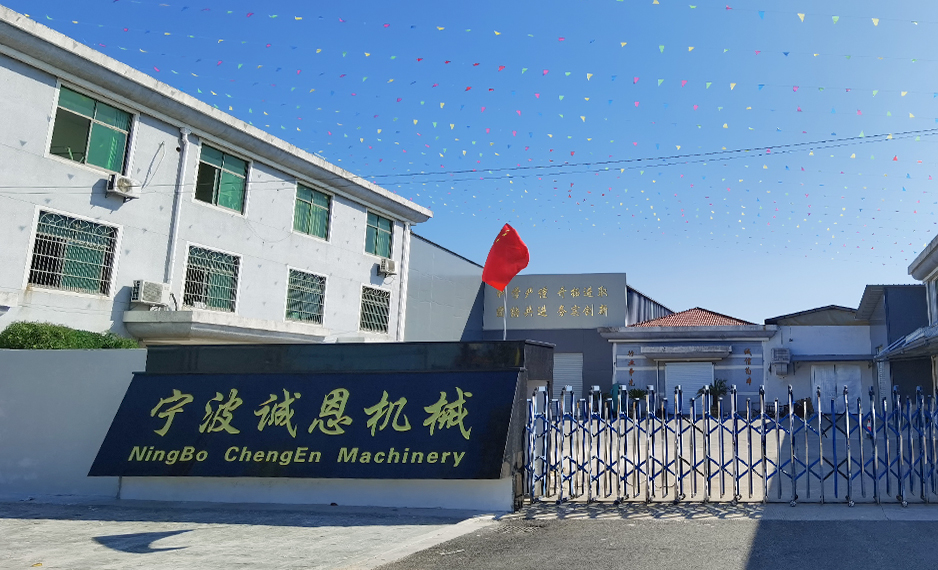
Sand casting is one of the most traditional and widely used casting methods, especially for large and heavy parts. In this process, a pattern of the part to be cast is created, and then sand is packed around it to form a mold. The mold is then heated, and molten metal is poured into it. Sand casting is highly versatile and cost-effective, making it ideal for producing a wide range of parts from simple to moderately complex geometries. NingBo YinZhou ChengEn Machinery Co., Ltd. frequently employs sand casting for manufacturing components like automotive parts and construction machinery parts, where cost-efficiency is critical for large-scale production.
Die Casting
Die casting is a process where molten metal is injected into a steel mold under high pressure. This technique is commonly used for manufacturing smaller parts with intricate shapes, particularly for mass production. Die casting ensures that parts have excellent surface finishes and dimensional accuracy. Due to its speed and efficiency, it is the preferred method for producing parts like engine components, suspension parts, and marine hardware that require both high precision and volume production.
Investment Casting
Investment casting is often used for parts that have intricate shapes or tight tolerances. In this process, a wax pattern of the part is created, coated with a ceramic shell, and then heated to remove the wax. Afterward, molten metal is poured into the ceramic mold, forming a part with high precision. This process is particularly useful for aerospace, automotive, and medical industries, where components require both detailed designs and high strength. The investment casting process allows for the creation of complex components like aircraft engine parts, turbocharger housings, and marine propellers.
Benefits of Casting Parts
Cost-Effective
Casting is often the most cost-effective method of producing parts with complex shapes, especially when compared to other manufacturing techniques like machining or forging. The casting process allows manufacturers to create detailed geometries with little to no additional machining, which significantly reduces material waste, labor costs, and time. The cost-effectiveness is particularly beneficial when producing large quantities of parts, as the molds used in casting can often be reused multiple times, further reducing production costs.
Precision
Casting allows for the production of parts with high precision and tight tolerances, especially when advanced techniques like precision casting or investment casting are used. This level of precision is essential in industries where even the smallest error could lead to performance issues or safety risks. For instance, in the automotive and aerospace industries, casting ensures that parts fit together perfectly and function as intended under extreme conditions.
Material Versatility
One of the major benefits of the casting process is its material versatility. Casting can be performed using a wide variety of materials, including stainless steel, alloy steel, aluminum, and bronze, each offering different properties for specific applications.
Applications of Casting Parts
Casting parts are integral to many industries due to their versatility, cost-effectiveness, and ability to produce complex parts with high precision. Below are some of the key applications of casting parts:
- Automotive Industry: In the automotive industry, casting is used to produce a wide variety of engine parts, suspension components, brake systems, and exhaust systems. NingBo YinZhou ChengEn Machinery Co., Ltd. specializes in producing high-quality automotive casting parts, ensuring the reliability and longevity of vehicles on the road.
- Construction Industry: In construction, casting is used to produce components for machinery such as cranes, excavators, mixers, and bulldozers. Casting parts suppliers in the construction industry provide parts with high strength and resistance to wear and tear.
- Marine Industry: The marine industry benefits from casting due to its ability to create precise marine hardware parts such as propellers, rudders, and hull fittings. Precision casting ensures that these critical components are durable, precise, and resistant to corrosion.
- Rail Transit Industry: The rail transit industry depends on casting for manufacturing parts like train wheels, suspension components, brake systems, and track fittings. Casting is a key method for producing components that ensure the safety, efficiency, and reliability of trains and other rail infrastructure.

 English
 Español
 русский