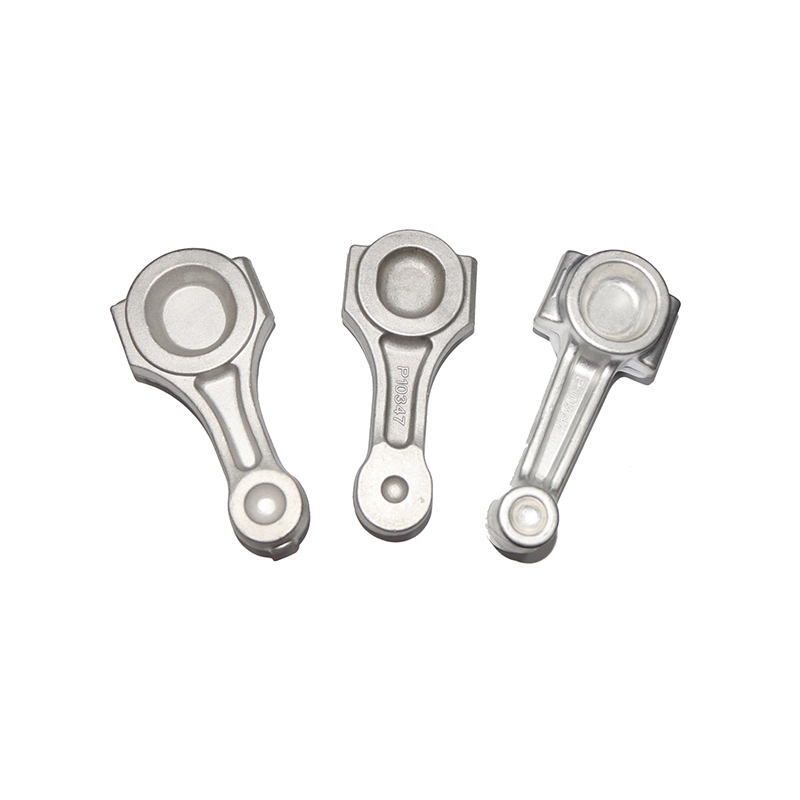
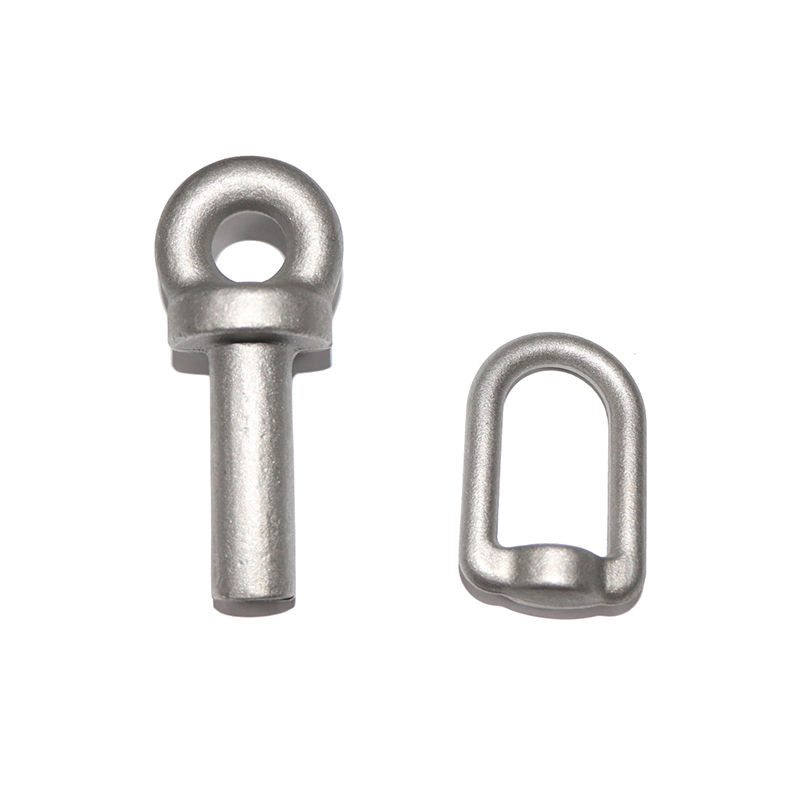
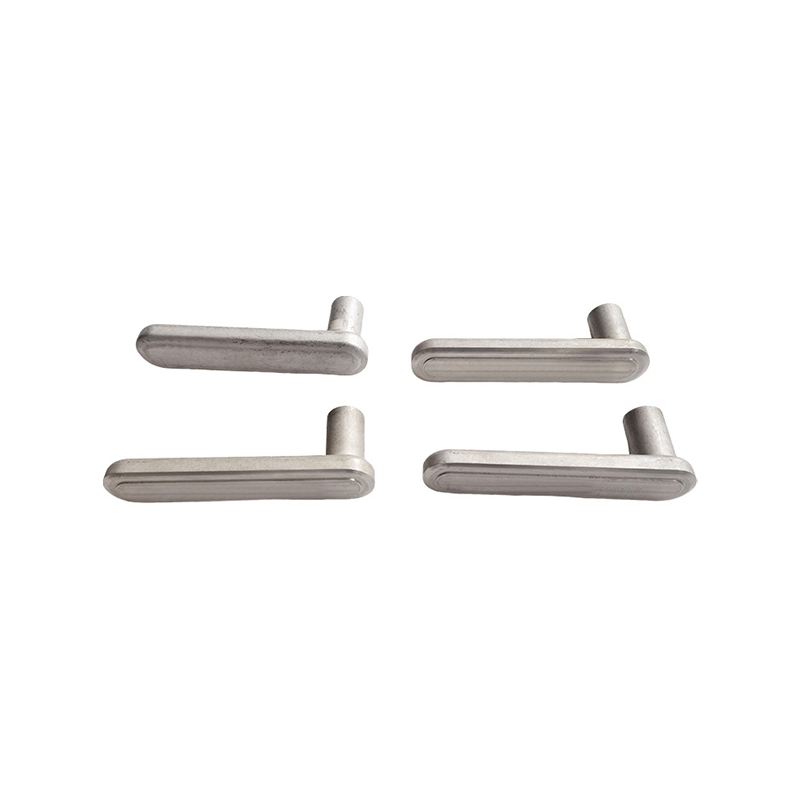
About Cold Forged Parts
The Cold Forged Parts industry plays a key role in modern manufacturing, providing industries with precision components that exhibit high strength and minimal wear. Cold Forging is a process where metal is shaped at or near room temperature using high pressure. This technique offers several advantages, particularly in the production of parts that need to maintain their structural integrity under mechanical stress, such as in automotive, aerospace, and industrial equipment sectors.
Cold forging improves the mechanical properties of metals, including strength, toughness, and wear resistance, making it suitable for a variety of critical applications. The process ensures high precision and is ideal for producing components with intricate shapes and fine details. Cold Forged Parts are widely used in industries like automotive, aerospace, and electronics, where components must perform reliably under demanding conditions.
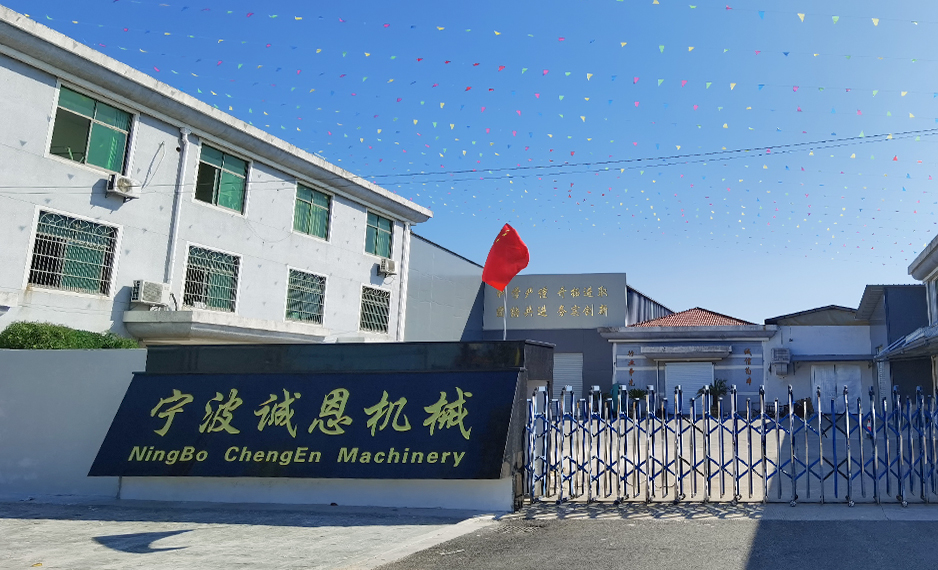
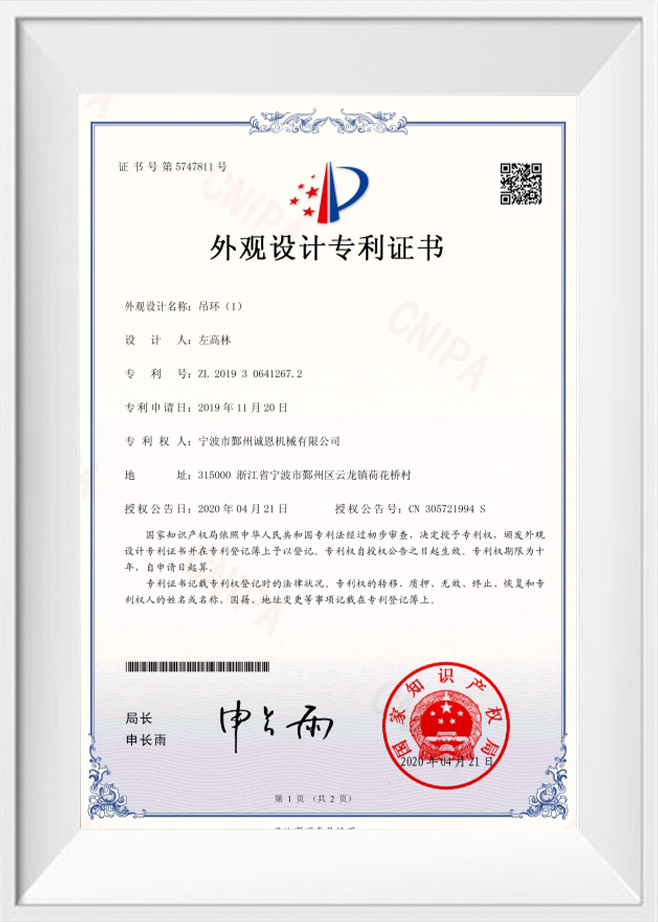
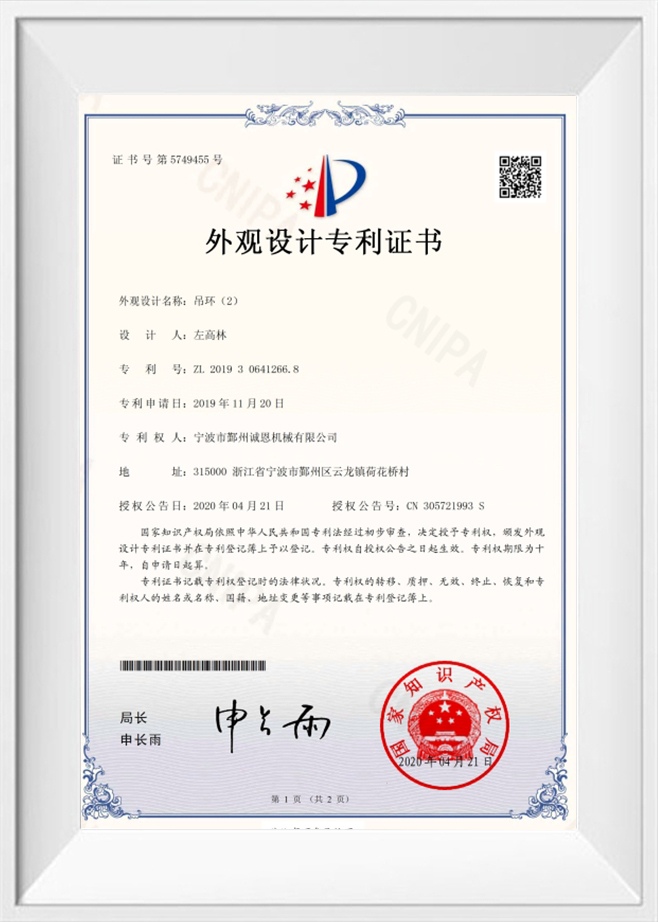
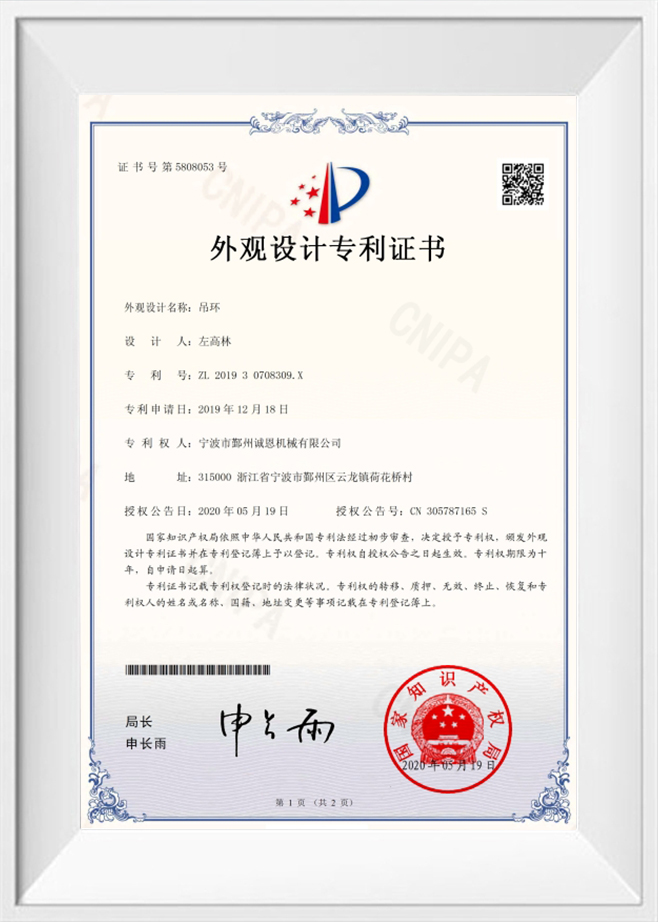
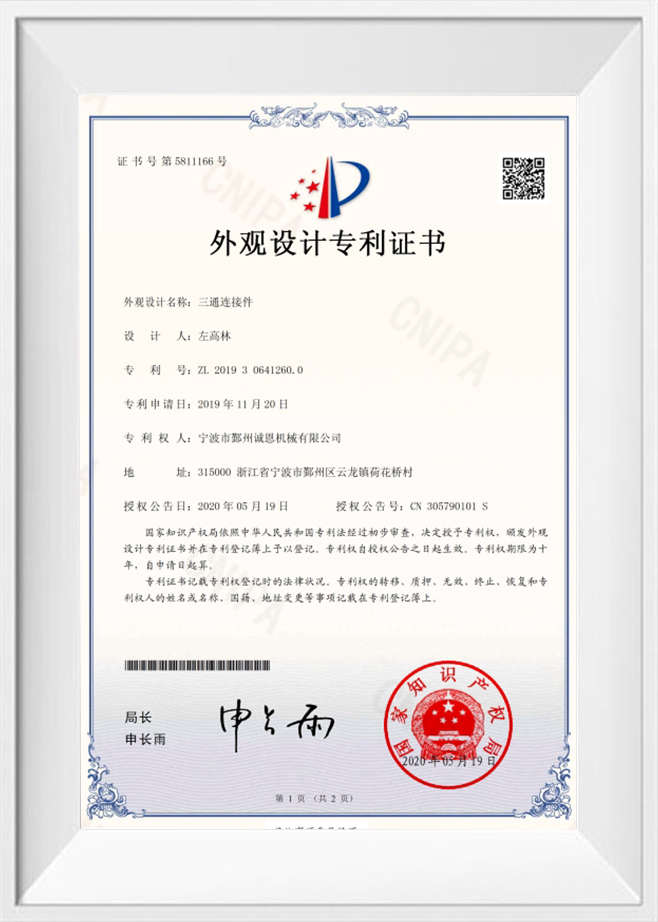
NingBo YinZhou ChengEn Machinery Co., Ltd., established in 2008, is a leading Cold Forged Parts manufacturer. The company offers both Wholesale Cold Forged Parts and custom solutions tailored to meet specific industry requirements. With advanced production equipment and a skilled technical team, NingBo YinZhou ChengEn Machinery Co., Ltd. delivers high-quality products that meet global standards. Their dedication to quality control and customer satisfaction makes them a trusted supplier of Cold Forged Parts.
As a key player in the Cold Forged Parts suppliers market, NingBo YinZhou ChengEn Machinery Co., Ltd. is recognized for its innovative solutions in manufacturing durable and high-precision components. By offering both Wholesale Cold Forged Parts and custom-designed solutions, the company caters to industries worldwide, ensuring that each part is produced to exact specifications and performance requirements.
Cold Forged Parts manufacturers like NingBo YinZhou ChengEn Machinery Co., Ltd. are crucial in industries where performance, durability, and precision are of utmost importance. Whether it’s producing Wholesale Cold Forged Parts for large-scale production or developing custom parts for specialized applications, the company’s expertise and commitment to excellence ensure that every component meets the highest industry standards.
Their state-of-the-art production capabilities allow them to meet the demands of various sectors, making NingBo YinZhou ChengEn Machinery Co., Ltd. a trusted choice for Cold Forged Parts suppliers in China and beyond. With a reputation for quality, reliability, and customer satisfaction, the company continues to lead in the Cold Forged Parts industry.
The Role of Cold Forged Parts in Key Industries
The Cold Forged Parts industry plays an essential role in several key sectors, where precision, durability, and performance are paramount. Cold forging, which involves shaping metal at or near room temperature using high pressure, provides numerous advantages, particularly in the production of parts that need to maintain their structural integrity under mechanical stress.
In the automotive industry, Cold Forged Parts are crucial for ensuring the strength and longevity of components that undergo constant stress and friction. Gears, bearings, and bolts made through cold forging provide superior strength and resistance to wear, which are essential for enhancing automotive performance and vehicle longevity. These components are designed to perform reliably under extreme conditions, such as high temperatures and mechanical stress, making them indispensable for maintaining the safety and efficiency of vehicles. The precision achieved through cold forging ensures that automotive parts meet the exacting standards required for optimal performance.
In the industrial equipment and machinery sectors, Cold Forged Parts are used in producing components like shafts, fasteners, and structural elements. These parts are critical for ensuring that machines operate smoothly and efficiently, even under harsh working environments. The cold forging process improves the strength and durability of these components, allowing them to withstand high mechanical stress, heavy loads, and challenging conditions such as high pressure, vibration, and wear. This ensures that industrial equipment operates reliably, reducing the need for frequent maintenance and enhancing the overall efficiency of production systems.
Cold forging is also vital in the electronics industry, where precision and fine details are essential. Small yet intricate components like connectors, housings, and other delicate parts are often manufactured using cold forging. This process allows for the production of parts that meet the exacting requirements of the electronics sector, where reliability and accuracy are crucial. Cold forging ensures that each part is produced to tight tolerances, allowing electronics manufacturers to create components that function efficiently in complex systems.
Overall, Cold Forged Parts are indispensable in a wide range of industries, from automotive to industrial machinery and electronics, where strength, precision, and durability are crucial for ensuring long-term performance and reliability. Cold Forged Parts manufacturers like NingBo YinZhou ChengEn Machinery Co., Ltd. play a significant role in delivering high-quality parts that meet the demanding standards of these industries.
Key Advantages of Cold Forged Parts
| Benefit |
Description |
| High Strength |
Cold forging improves the strength of metals, allowing parts to withstand high stress and pressure. |
| Durability |
Parts made through cold forging are more resistant to wear, fatigue, and environmental stress. |
| Precision |
Cold forging ensures tight tolerances and complex geometries, ideal for industries requiring high-precision components. |
| Cost-Effectiveness |
Reduced material waste and energy consumption make cold forging a cost-efficient choice for mass production. |
| Reliability |
Cold Forged Parts are designed to perform reliably under demanding conditions for extended periods. |
Strength and Durability
Cold forging significantly enhances the mechanical properties of metal, resulting in components that are stronger and more resistant to wear compared to those produced by other manufacturing methods. The cold forging process involves shaping the metal under high pressure at or near room temperature, which refines the material’s grain structure. This refined grain structure improves the overall strength and toughness of the part, enabling it to withstand high mechanical stress, pressure, and wear over extended periods.
The enhanced durability of Cold Forged Parts manufacturers makes them particularly suitable for demanding applications in industries such as automotive, aerospace, and industrial equipment. For instance, components like gears, bearings, and fasteners that undergo significant friction, high temperatures, and heavy loads benefit from the superior wear resistance provided by cold forging. These parts maintain their structural integrity and continue to perform reliably, even in the harshest environments, reducing the need for frequent maintenance or replacement. This makes Wholesale Cold Forged Parts ideal for industries where long-lasting components are a necessity.
In the automotive sector, cold-forged parts play a critical role in ensuring high-performance and durability. Components such as engine parts, suspension systems, and transmission elements experience significant stress and wear. Cold Forged Parts suppliers offer parts that can withstand these conditions and continue to operate effectively over the lifetime of the vehicle. The cold forging process ensures that these components maintain their precision, strength, and durability under extreme conditions.
In aerospace, Cold Forged Parts manufacturers provide components such as turbine blades, landing gear, and structural elements, all of which are exposed to high pressure, thermal stress, and mechanical load. The wear resistance and toughness provided by cold forging allow these parts to maintain their structural integrity under the demanding conditions faced by aircraft, making them essential for ensuring the safety and performance of aerospace systems.
Similarly, in the industrial equipment and machinery sectors, Cold Forged Parts suppliers produce components like gears, shafts, and hydraulic valves that are designed to perform under extreme pressure and mechanical stress. These parts must endure challenging environments, and cold forging ensures that they remain functional, durable, and reliable over time, minimizing downtime and reducing maintenance costs.
The strength, durability, and wear resistance of Cold Forged Parts make them a key component in industries where high-performance materials are essential. Whether in automotive manufacturing, aerospace engineering, industrial equipment, or electronics, Cold Forged Parts manufacturers provide the reliable solutions that meet the stringent demands of these sectors. By offering Wholesale Cold Forged Parts and custom solutions, Cold Forged Parts suppliers are helping to meet the growing demand for high-quality, durable components that ensure operational efficiency and safety worldwide.
High Precision
Cold forging is renowned for its ability to produce parts with exceptional precision, making it an ideal choice for industries that demand high-quality components with tight tolerances and intricate geometries. During the cold forging process, metal is shaped under high pressure at or near room temperature, which results in parts with near-perfect dimensions and minimal deviation from the intended specifications. This ensures that each component fits perfectly within the broader design, eliminating the need for extensive post-processing or adjustments.
The high precision of Cold Forged Parts is particularly valuable in industries such as automotive, aerospace, and electronics, where even the smallest deviations in part dimensions can lead to significant operational failures. For example, automotive engine components, suspension systems, and transmission parts, as well as aerospace turbine blades and landing gear, all require exacting tolerances to perform optimally under extreme conditions. Cold forging ensures that these parts are manufactured to the highest standards, with precise geometries and detailed internal features that are difficult or impossible to achieve with other manufacturing techniques.
The ability to produce complex shapes and fine internal features, such as channels or lightweight structures, further enhances the versatility and precision of cold forging. This capability makes it a preferred manufacturing method for critical components that need to meet stringent performance and safety requirements. By maintaining tight tolerances and delivering highly detailed parts, cold forging plays a key role in ensuring the reliability, functionality, and longevity of products across various high-performance industries.
Efficiency
Cold forging is a highly efficient manufacturing process that optimizes time, resources, and labor. Because the parts are shaped under high pressure at or near room temperature, they typically come out of the forge with near-perfect dimensions and minimal need for further adjustments. This level of precision right from the start significantly reduces the need for additional machining or finishing operations. As a result, manufacturers can save valuable time and streamline the production process. The reduced need for post-processing makes cold forging an ideal solution for industries requiring large-scale production runs, where time-to-market is a critical factor.
Additionally, cold forging's efficiency extends to the overall manufacturing workflow. Since the process is fast and automated, companies can ramp up production without compromising quality. For industries such as automotive, aerospace, and heavy machinery, where high volumes of precise parts are often required, cold forging offers a reliable method to meet demand while maintaining tight tolerances and high-quality standards.
Cost-Effectiveness
One of the standout advantages of cold forging is its cost-effectiveness, particularly in industries where high-volume production is required. Compared to other forging methods, such as hot forging, cold forging typically requires less energy and generates less material waste. By shaping metal at room temperature using high pressure, cold forging ensures that more of the raw material is efficiently converted into the final product. This results in minimal waste, making it an environmentally friendly and economical choice for Cold Forged Parts manufacturers.
In addition to reducing material waste, cold forging minimizes energy consumption, which leads to further cost savings in the manufacturing process. Since the process requires fewer steps and less energy, it is far more sustainable than many alternative methods. For Cold Forged Parts suppliers and manufacturers who are looking to lower their operational costs, cold forging provides a more cost-effective way to produce high-quality, durable components without compromising on performance.
The efficiency of cold forging is also evident in the reduction of post-processing requirements. Unlike other methods, which often necessitate extensive finishing and machining, cold-forged parts typically come out of the forge with near-perfect dimensions. This reduces the need for additional labor and decreases production time, directly lowering overall costs. The minimized need for additional operations makes cold forging particularly attractive for industries with high-volume production, such as automotive, aerospace, and industrial equipment sectors. Wholesale Cold Forged Parts producers can benefit significantly from this efficiency, producing large quantities of parts with lower labor costs and fewer resources, all while maintaining the necessary precision.
For industries that need to produce millions of components, such as engine parts, gears, fasteners, and electronic connectors, cold forging is an ideal solution. Manufacturers can produce high-quality parts at a fraction of the cost compared to other methods, ensuring that they remain competitive in the marketplace. By leveraging cold forging’s cost-effectiveness, Cold Forged Parts manufacturers can pass savings on to customers, enabling them to offer high-quality, affordable products without compromising on reliability or performance.
The benefits of cold forging extend beyond just cost savings—this method helps reduce a company’s environmental footprint by minimizing waste and energy usage. As sustainability becomes more important in today’s manufacturing world, cold forging offers an eco-friendly solution that can enhance a company’s corporate responsibility image. For Cold Forged Parts suppliers, this means they can cater to an increasingly eco-conscious customer base while maintaining low production costs.
In summary, cold forging is a highly cost-effective manufacturing process that not only saves money but also improves production efficiency. By reducing waste, lowering energy consumption, and minimizing the need for post-processing, Cold Forged Parts manufacturers and Cold Forged Parts suppliers can enjoy lower per-unit production costs. This makes cold forging a go-to method for industries seeking high-volume, high-quality parts at competitive prices. Cold forging’s cost-effectiveness ensures that companies can maintain tight cost controls while still delivering durable, high-performance components to customers.
FAQ
What is Cold Forged Parts?
| Industry |
Applications |
| Automotive |
Engine components, suspension systems, gears, bearings. |
| Aerospace |
Turbine blades, landing gear, structural components. |
| Industrial Equipment |
Gears, shafts, fasteners, hydraulic valves. |
What are Cold Forged Parts?
Cold Forged Parts are components produced by shaping metal at or near room temperature under high pressure. This process significantly improves material strength, durability, and precision, making these parts suitable for demanding applications in industries such as automotive, aerospace, and industrial machinery. Unlike hot forging, cold forging does not rely on high temperatures, allowing the metal to retain its natural properties while achieving excellent mechanical performance.
During the cold forging process, metal is compressed between precision dies, which aligns the grain structure and enhances strength, toughness, and wear resistance. This refined structure enables the production of components with tight tolerances, fine details, and complex geometries, meeting the high standards required for precision-driven industries.
Cold Forged Parts are widely used in applications where reliability and performance are critical. Automotive components such as gears, fasteners, and bearings, as well as aerospace structural parts, benefit from the superior mechanical properties achieved through cold forging. As a result, Cold Forged Parts manufacturers can deliver high-performance components that meet strict quality and durability requirements.
Why is Cold Forging Used in the Automotive Industry?
Cold forging is widely adopted in the automotive industry because it produces components capable of withstanding mechanical stress, vibration, and long-term wear. Parts such as gears, bearings, bolts, and suspension components require exceptional strength, durability, and dimensional accuracy. Cold forging ensures consistent quality and long service life, making it an ideal manufacturing method for critical automotive applications where safety and performance are essential.
What Are the Benefits of Cold Forged Parts?
High Strength: Cold forging improves mechanical properties, enabling parts to endure high stress, pressure, and wear.
Durability: The refined grain structure increases resistance to fatigue and wear, ensuring long-term performance.
Precision: Cold forging produces parts with tight tolerances and complex shapes, reducing the need for secondary machining.
Cost-Effectiveness: Minimal material waste and lower energy consumption make cold forging efficient for mass production.
Reliability: Cold Forged Parts maintain stable performance under harsh operating conditions, ensuring consistent quality over time.

 English
 Español
 русский